












Comprehensive Summarization:
The article discusses the significant impact of war zones on inbound tour groups to Thailand, particularly those using Middle Eastern transit hubs. Due to widespread cancellations, all March trips from these markets have been cancelled. Bangkok, Phuket, and Samui are experiencing a surge in stranded tourists unable to return home, with assistance provided by both Thailand’s public and private tourism sectors. Adith Chairattananon, an honorary contributor, highlights the challenges faced by travelers and the industry’s response to these disruptions.
Key Points:
- Inbound tour groups from long-haul markets using Middle Eastern transit hubs have cancelled all March trips to Thailand due to war zone concerns.
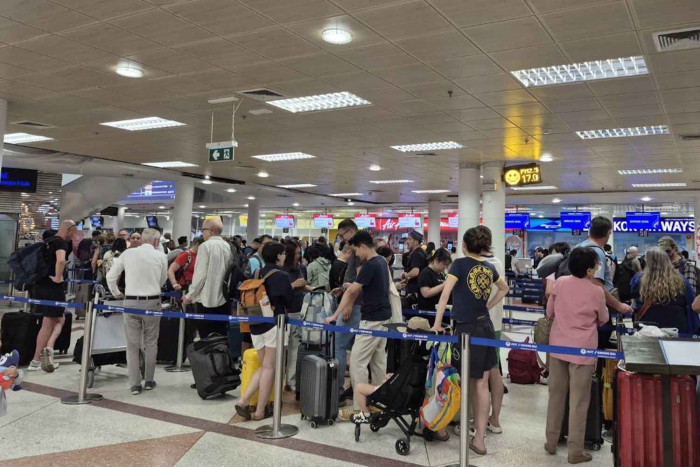
- Bangkok, Phuket, and Samui are handling a large number of stranded tourists unable to return home.
- Both Thailand’s public and private tourism sectors are providing assistance to stranded tourists.
- The article emphasizes the challenges faced by travelers and the industry’s response to these disruptions.
Actionable Takeaways:
-
Enhanced Travel Insurance and Support Systems: With the surge in stranded tourists, there is a critical need for enhanced travel insurance and support systems. Travel companies should prioritize offering comprehensive insurance packages that cover cancellations, delays, and emergency assistance. This not only addresses the immediate needs of stranded tourists but also builds trust and loyalty among travelers, ensuring they feel secure and well-supported during unforeseen disruptions.
-
Strategic Partnerships with Transit Hubs: Given the reliance on Middle Eastern transit hubs, travel companies should explore strategic partnerships with these hubs to implement robust safety protocols and real-time monitoring systems. By collaborating with transit authorities, travel companies can mitigate risks associated with travel through war zones, ensuring smoother and safer journeys for their customers. This proactive approach can help prevent future disruptions and enhance the overall travel experience.
Contextual Insights:
The article reflects the current challenges faced by the travel industry in the wake of geopolitical tensions and security concerns. The cancellation of March trips due to war zone concerns underscores the sensitivity of travel routes and the importance of real-time risk assessment. This situation highlights the need for travel companies to adopt agile and adaptive strategies, leveraging technology and partnerships to navigate uncertainties. As the industry moves forward, there is a growing emphasis on innovation in travel tech, such as advanced risk assessment tools and enhanced communication systems, to provide seamless and secure travel experiences. Thought leaders emphasize the importance of building resilient travel ecosystems that can quickly adapt to changing global dynamics, ensuring the continued growth and sustainability of the travel sector.
Read the Complete Article.



