
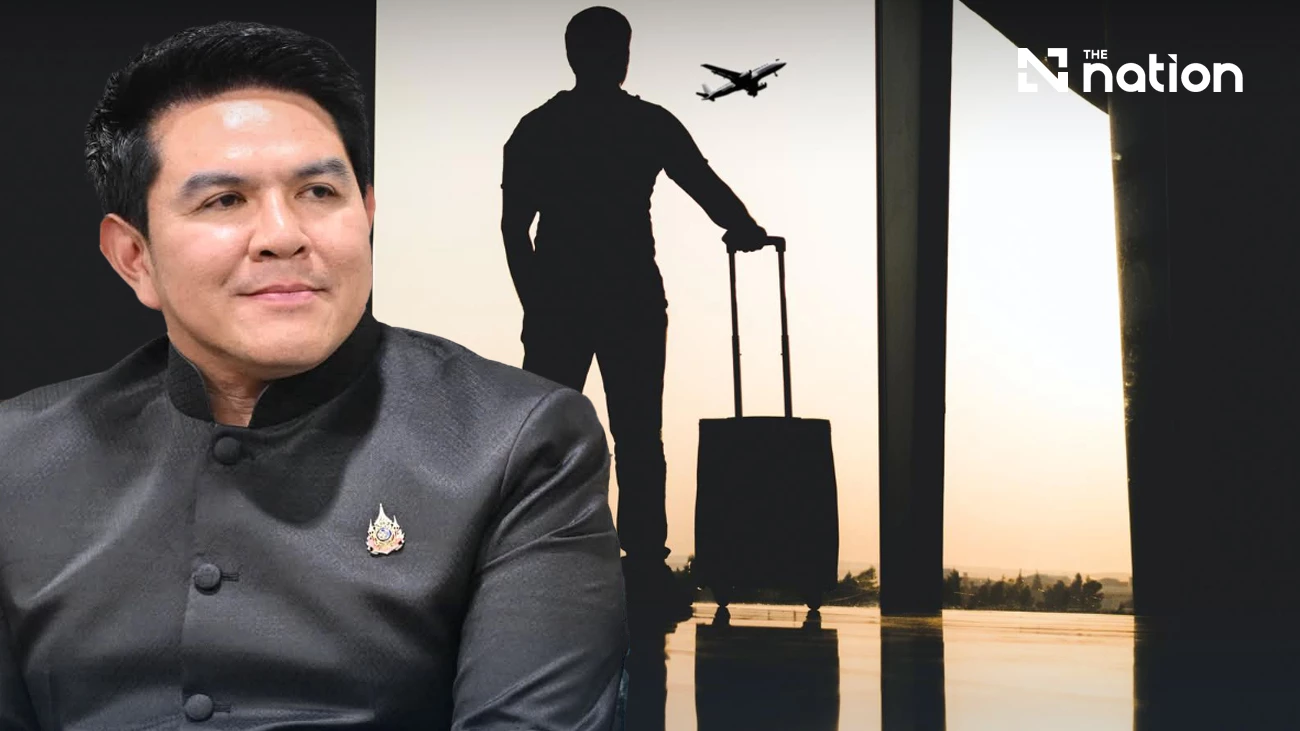
Authorities target unruly foreign tourists under new deportation rules
THE NEWS: Thailand’s Tourism and Sports Ministry announced a new “zero‑tolerance” regulation that allows authorities to detain, revoke visas and...
Read moreDetailsEvery alert that matters — when it happens.

Cannabis, conflict, and controversy: Thailand’s tourism model faces an identity crisis as locals blame the wrong kind of tourists, scammers, and unchecked policy drift. (File Photo)
Pattaya, a city synonymous with vibrant nightlife and tourism, is grappling with a burgeoning cannabis scene. But is the green rush truly driving the city’s issues, or is it merely a convenient scapegoat for deeper societal challenges? This article delves into the complex relationship between cannabis and Pattaya’s evolving identity, drawing parallels with the more established cannabis culture in Amsterdam.
The debate surrounding cannabis legalization in Thailand has been fierce, with Pattaya emerging as a unique testing ground. While proponents hail it as a potential economic boon, attracting new tourist demographics and offering alternative leisure activities, critics point to a perceived increase in public intoxication and disorderly conduct. The article suggests that the narrative of cannabis as the sole culprit for Pattaya’s problems might be overly simplistic.
Amsterdam, a city with decades of experience in regulated cannabis sales, offers a compelling case study. Here, cannabis cafes operate within a framework of strict rules and regulations, largely keeping the drug out of public view and managing potential negative externalities. While Amsterdam has its own challenges, the article implies that a well-managed approach can mitigate many of the concerns voiced by Pattaya’s detractors.
Pattaya’s current situation is characterized by a less regulated environment. Shops have sprung up rapidly, often in close proximity to family-friendly areas, leading to concerns about accessibility and the normalization of cannabis use. The lack of stringent age verification and public consumption controls exacerbates these worries. The article questions whether Pattaya is equipped to handle the potential downsides of widespread cannabis availability without robust regulatory measures.
The economic argument for legalization remains strong. Cannabis tourism could potentially diversify Pattaya’s visitor base, attracting those seeking a more relaxed and alternative holiday experience. However, realizing this potential requires careful planning. Branding Pattaya as a cannabis-friendly destination needs to be balanced with ensuring a safe and enjoyable environment for all tourists, including families.
The article posits that the negative perceptions of Pattaya might be fueled by pre-existing issues that are now being unfairly attributed to cannabis. Factors such as the inherent nature of a resort town, the types of tourism it has historically attracted, and broader societal trends could all play a role. Shifting the blame solely onto cannabis distracts from addressing these underlying complexities.
Ultimately, the question of whether cannabis is the "problem" or the "scapegoat" in Pattaya hinges on effective policy and regulation. Learning from international examples, like Amsterdam, and implementing a comprehensive strategy that prioritizes public safety, responsible tourism, and economic diversification will be crucial. Pattaya’s future success lies not in demonizing cannabis, but in understanding and managing its integration into the city’s unique landscape.
The article does not contain specific revenue numbers, KPI’s, or detailed data points related to Pattaya’s cannabis market or comparisons to Amsterdam’s performance metrics. The primary takeaways revolve around the debate surrounding cannabis legalization and its impact on Pattaya’s tourism and public order, with Amsterdam serving as a comparative example of a more regulated approach.
Read the Complete Article.
THE NEWS: Thailand’s Tourism and Sports Ministry announced a new “zero‑tolerance” regulation that allows authorities to detain, revoke visas and...
Read moreDetails

Experience the magic of the Nile aboard Kenzy Dahabeya, a luxury boutique sailing cruise that offers an unforgettable journey between...
Read moreDetails





