












Comprehensive Summarization:
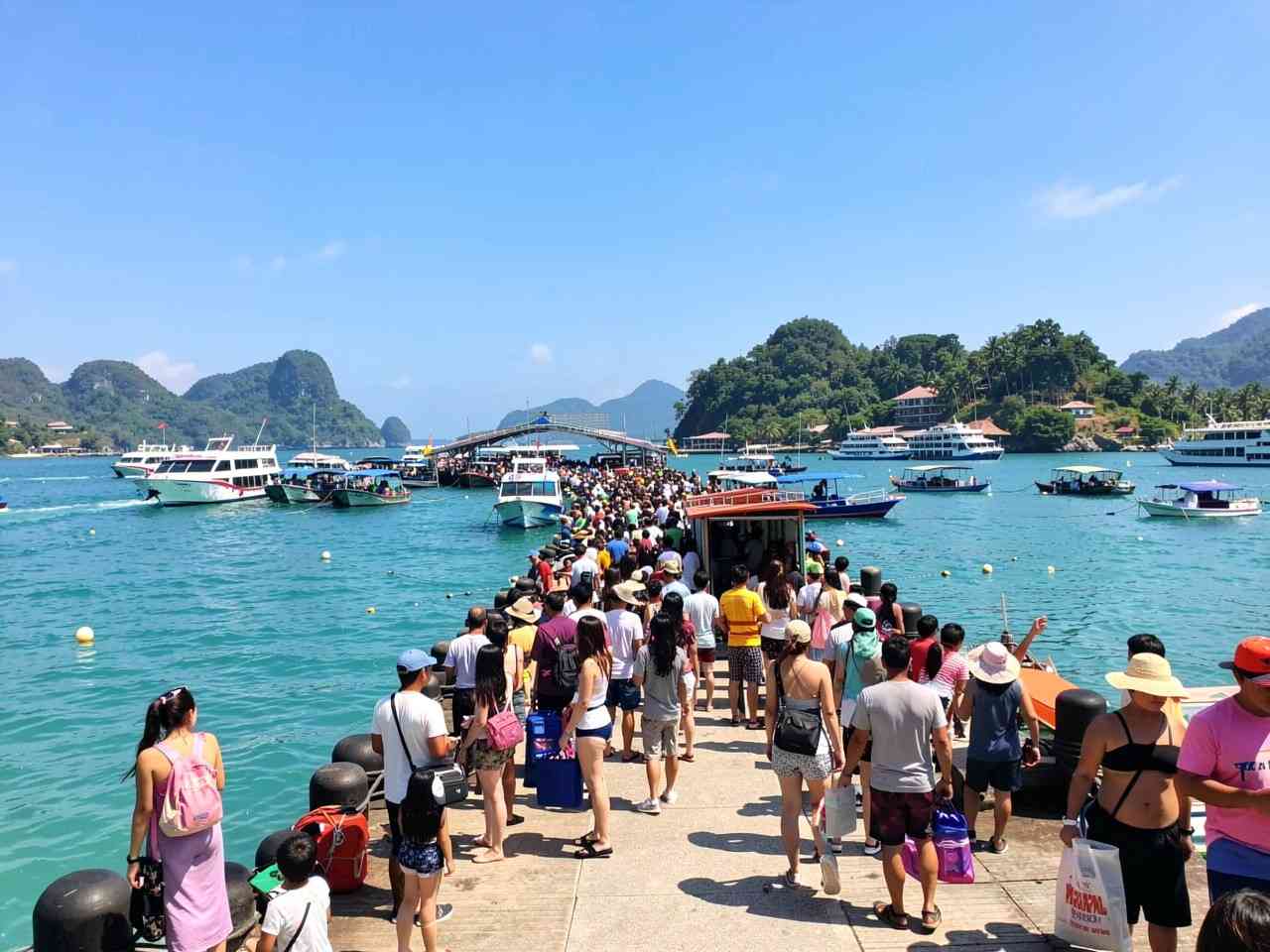
The article highlights a significant travel resurgence in Thailand, driven primarily by China, Malaysia, and Russia, despite global economic caution and regional tensions. Official data from Thailand’s Ministry of Tourism and Sports indicates that the country welcomed approximately five million international visitors between January and mid-February 2026, with these three markets being among the top contributors. This surge is supported by strategic actions by major airlines such as China’s airlines, Malaysia’s AirAsia, Russia’s carriers, India, and South Korea, alongside Thai Airways, AirAsia, and Emirates, which have expanded their routes. Additionally, Hilton and Marriott are thriving in Pattaya, a popular beach destination in Thailand, indicating a robust recovery in the hospitality sector. The article underscores how global uncertainties are not dampening Thailand’s appeal as a beach paradise, showcasing a blend of strategic airline expansions, robust tourism infrastructure, and resilient hospitality services.
Key Points:
- Thailand experienced a notable increase in international visitors, with around five million arrivals between January and mid-February 2026, primarily from China, Malaysia, and Russia.
- Major airlines from China, Malaysia, Russia, India, and South Korea have expanded their routes to Thailand, contributing to the travel boom.
- Hilton and Marriott are thriving in Pattaya, indicating a strong recovery in the hospitality sector in Thailand.
- The surge in tourism is occurring amidst global economic caution and regional tensions, suggesting resilience in Thailand’s travel and tourism sector.
Actionable Takeaways:
-
Strategic Airline Expansions: Airlines from China, Malaysia, Russia, India, and South Korea have expanded their routes to Thailand, indicating a strategic response to the travel demand. This expansion could be leveraged by other airlines to enter or strengthen their presence in the Thai market, potentially leading to increased competition and improved travel options for consumers.
-
Hospitality Sector Resilience: Hilton and Marriott’s success in Pattaya highlights the resilience of the hospitality sector in Thailand. This could serve as a model for other hotels and resorts to adapt and thrive in a post-pandemic environment, emphasizing the importance of strategic location and service quality in recovering from global uncertainties.
-
Market Diversification: The significant contribution from China, Malaysia, and Russia suggests a diversification of tourist markets. Travel companies and policymakers could explore similar strategies to attract tourists from these regions, thereby reducing dependency on any single market and mitigating risks associated with global economic fluctuations.
Contextual Insights:
The article reflects a broader trend in the travel industry where strategic expansions by airlines and robust performance in key hospitality sectors are driving recovery and growth. The resilience of Thailand’s tourism sector, despite global economic uncertainties, underscores the importance of diversification and strategic partnerships in the travel industry. As global tensions and economic caution persist, the ability of destinations like Thailand to attract visitors from multiple regions highlights the sector’s adaptability and potential for sustained growth. Furthermore, the focus on Hilton and Marriott’s success in Pattaya emphasizes the critical role of established hospitality brands in rebuilding consumer confidence and driving recovery in the travel sector. These insights suggest that for the travel industry to thrive, a combination of strategic market expansion, robust hospitality services, and resilience in the face of global challenges will be essential.
Read the Complete Article.



