













Sail Through Time: Discover the Timeless Wonders of Upper Egypt Aboard Kenzy Dahabeya
Experience the magic of the Nile aboard Kenzy Dahabeya, a luxury boutique sailing cruise that offers an unforgettable journey between...
Read moreDetails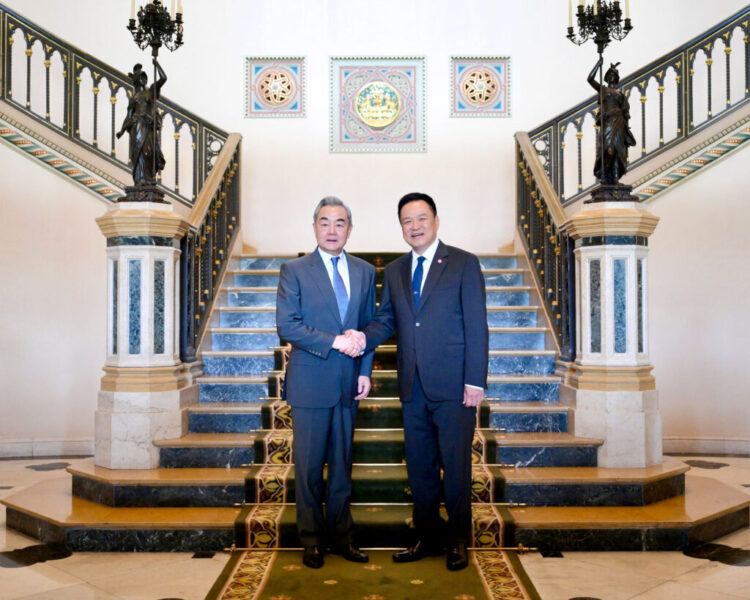
Thapanee Kiatphaibool
Comprehensive Summarization:
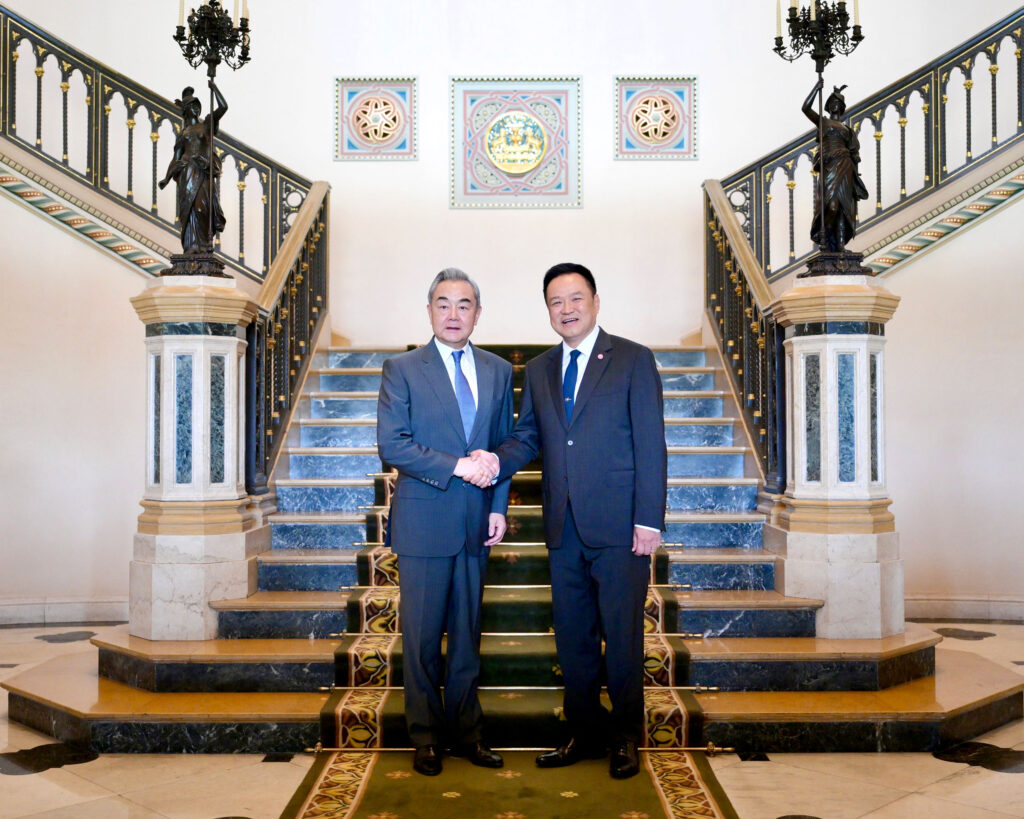
The Tourism Authority of Thailand (TAT) has unveiled a strategic tourism agenda following the visit of China’s Minister of Foreign Affairs, Wang Yi, to Thailand from April 23-25, 2026. This agenda positions tourism as a key component of bilateral cooperation between Thailand and China, encompassing economic, social, and cultural areas. The primary objectives are to attract 4.72 million Chinese visitors to Thailand in 2026 and generate tourism revenue of at least 260 billion Baht. The visit took place alongside the third Thailand-China Foreign Ministers’ Consultation Mechanism, highlighting the importance of tourism in strengthening bilateral relations.
Key Points:
Actionable Takeaways:
Enhanced Chinese Tourism Campaign: Thailand should intensify its marketing efforts to attract Chinese tourists, leveraging the strategic agenda to highlight unique cultural and economic benefits of visiting Thailand. This could involve targeted digital marketing campaigns, partnerships with Chinese influencers, and promotional packages tailored to Chinese travelers.
Leverage Bilateral Relations: Strengthening ties with China through diplomatic channels, such as the Foreign Ministers’ Consultation Mechanism, can facilitate smoother collaboration on tourism initiatives. This includes joint marketing efforts, shared infrastructure projects, and collaborative tourism product development to maximize the impact of the 4.72 million visitor target.
Focus on Cultural and Social Experiences: Given the emphasis on cultural and social areas in the tourism agenda, Thailand should invest in enhancing its cultural offerings, such as heritage sites, festivals, and culinary experiences. This aligns with the growing trend of experiential travel and can differentiate Thailand from competitors, attracting culturally curious Chinese tourists.
Contextual Insights:
The strategic tourism agenda reflects Thailand’s proactive approach to leveraging its strong diplomatic ties with China to boost tourism. With China being one of the largest source markets for international travel, this initiative is timely and strategic. The focus on attracting 4.72 million visitors aligns with broader industry trends towards reopening and recovery post-pandemic, where countries are prioritizing high-value markets to stimulate growth. Furthermore, the integration of cultural and social elements in tourism aligns with the increasing demand for authentic and immersive travel experiences, a trend highlighted by thought leaders in the travel industry. This context underscores the potential for Thailand to not only meet but exceed its tourism revenue targets by capitalizing on the strategic partnerships and innovative approaches outlined in the agenda.
Read the Complete Article.
Experience the magic of the Nile aboard Kenzy Dahabeya, a luxury boutique sailing cruise that offers an unforgettable journey between...
Read moreDetails



