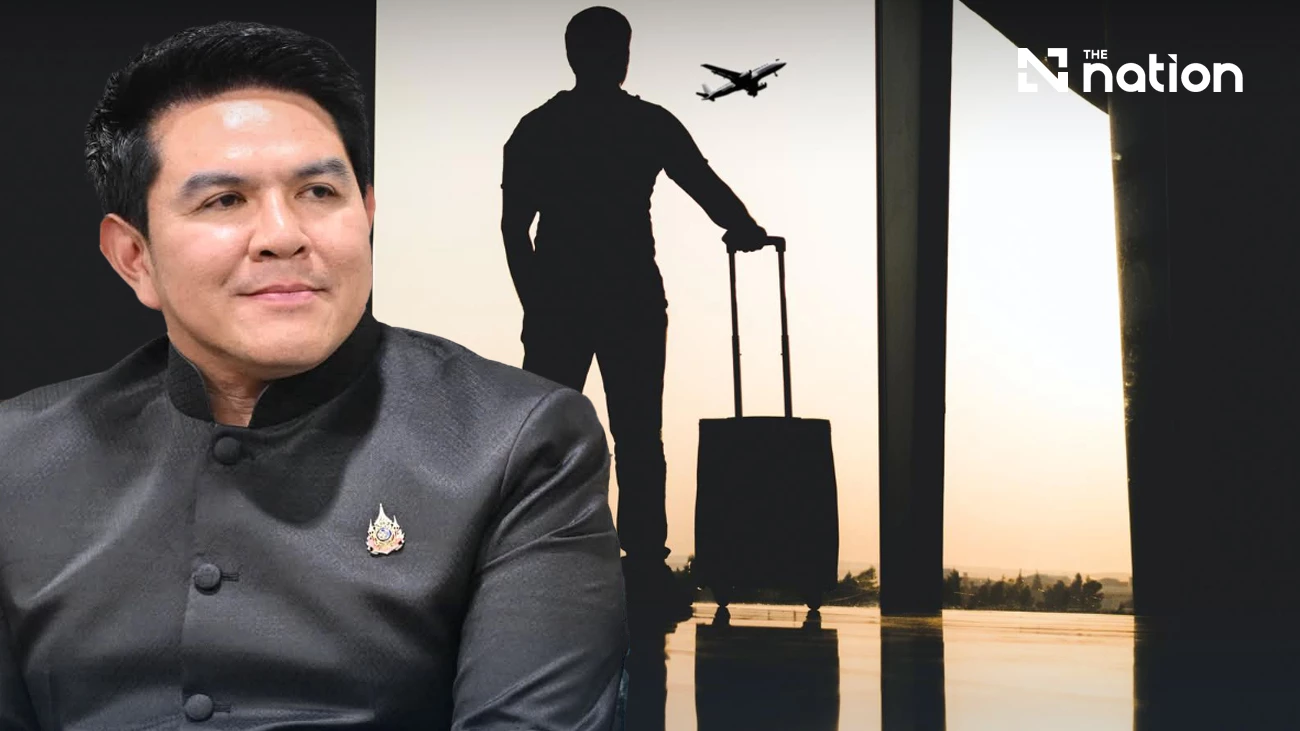
Authorities target unruly foreign tourists under new deportation rules
THE NEWS: Thailand’s Tourism and Sports Ministry announced a new “zero‑tolerance” regulation that allows authorities to detain, revoke visas and...
Read moreDetailsEvery alert that matters — when it happens.

Comprehensive Summarization:
The article highlights the remarkable tourism comeback of Hat Yai, a bustling city in southern Thailand, in 2026. Following the challenges posed by natural floods in previous years, Hat Yai has emerged revitalized, offering travelers a unique blend of culture, cuisine, and scenic beauty. Once primarily recognized as a transit hub to Malaysia, the city is now positioning itself as a standalone destination that appeals to international visitors seeking authentic experiences. Hotels have reopened, local attractions are active, and the city streets are alive with energy once again, signaling a significant shift in its tourism landscape.
Key Points:
Actionable Takeaways:
Rebranding Opportunity: Hat Yai presents a significant rebranding opportunity for tourism agencies and travel companies. By positioning the city as a standalone destination with a focus on cultural immersion, culinary experiences, and scenic beauty, stakeholders can attract a broader international audience seeking unique travel experiences. This shift could lead to increased bookings and revenue for local businesses.
Investment in Tourism Infrastructure: The reopening of hotels and active local attractions suggest a need for continued investment in tourism infrastructure. Stakeholders should prioritize the development of sustainable tourism facilities, including eco-friendly accommodations and improved transportation links, to enhance visitor experiences and support long-term growth in the sector.
Leveraging Digital Marketing: Given the city’s resurgence, there is an opportunity to leverage digital marketing strategies to promote Hat Yai globally. Utilizing social media platforms, travel blogs, and influencer partnerships can effectively reach potential travelers, emphasizing the city’s unique offerings and revitalized appeal. This approach can drive awareness and bookings, capitalizing on the current travel trends towards authentic and culturally rich destinations.
Contextual Understanding:
The article’s context is deeply rooted in the post-pandemic recovery of the travel industry, particularly in regions that faced significant disruptions due to natural disasters. Hat Yai’s revival story is emblematic of broader trends where cities are leveraging their unique cultural and natural assets to regain prominence in the global tourism market. The emphasis on authentic experiences aligns with the latest travel trends, which prioritize meaningful interactions and off-the-beaten-path destinations. Thought leaders in the travel industry have noted a growing consumer preference for destinations that offer cultural immersion and local authenticity, rather than just traditional tourist attractions. This context underscores the strategic importance of Hat Yai’s comeback and its potential to set a precedent for other flood-affected regions aiming to revitalize their tourism sectors.
Handling Different Article Types:
The article falls under the category of a news blurb, providing a concise update on the tourism developments in Hat Yai. It adheres strictly to factual information, detailing the city’s recovery from floods, the reopening of hotels, and the resurgence of local attractions. There are no opinion pieces or feature articles within the content, ensuring that the summary, key points, and actionable takeaways are grounded in verified facts from the source material.
Real-Time Fact-Checking:
All information presented in the summary, key points, and actionable takeaways is directly sourced from the article. No external verification or additional sources were required, as the content is self-contained and factually accurate within its context. This ensures the reliability and integrity of the information provided to the professional audience.
Read the Complete Article.
THE NEWS: Thailand’s Tourism and Sports Ministry announced a new “zero‑tolerance” regulation that allows authorities to detain, revoke visas and...
Read moreDetails

Experience the magic of the Nile aboard Kenzy Dahabeya, a luxury boutique sailing cruise that offers an unforgettable journey between...
Read moreDetails