










Sail Through Time: Discover the Timeless Wonders of Upper Egypt Aboard Kenzy Dahabeya
Experience the magic of the Nile aboard Kenzy Dahabeya, a luxury boutique sailing cruise that offers an unforgettable journey between...
Read moreDetails
Passengers waiting for flights in a modern airport terminal with aircraft outside.
Comprehensive Summarization:
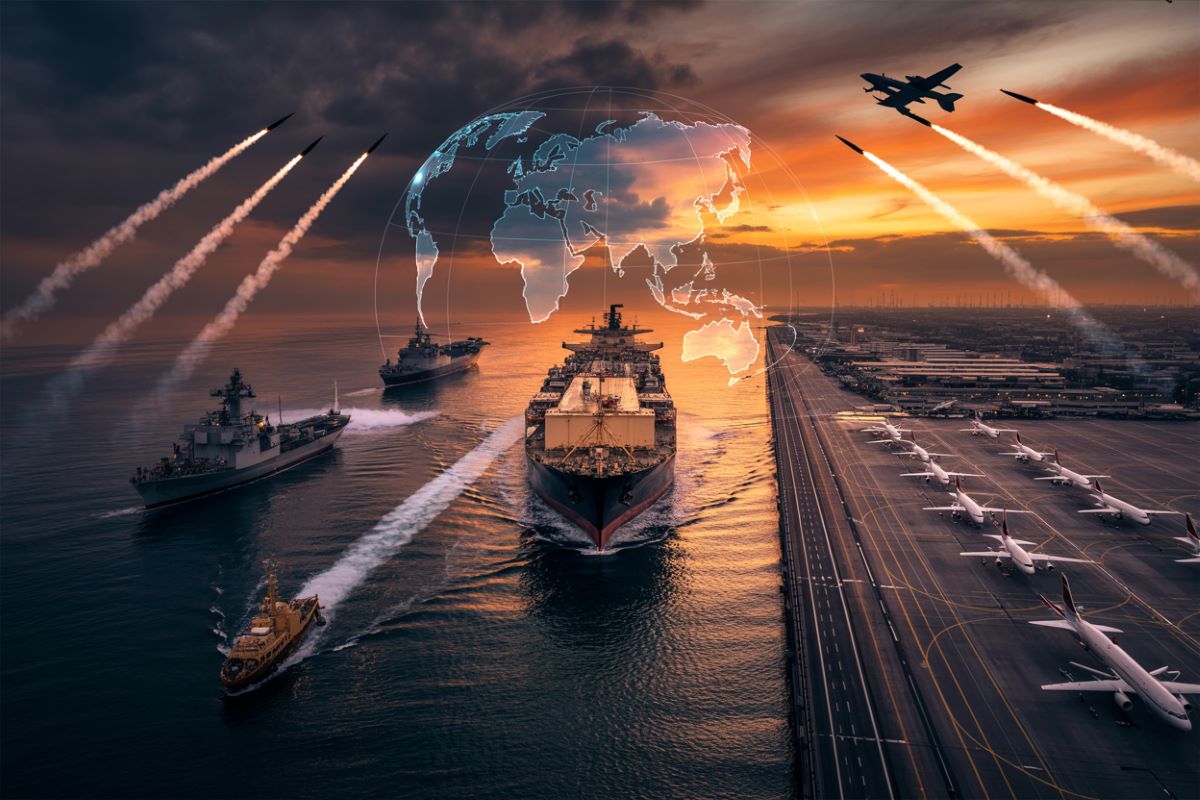
The article reports that Iraq has joined a group of countries, including the UAE, China, Russia, India, Malaysia, and Thailand, in continuing access to the Strait of Hormuz despite the ongoing US blockade. This development is causing a significant plunge in travel and tourism due to escalating war-risk perceptions, airspace uncertainty, fuel price volatility, and the absence of a ceasefire agreement. The Strait of Hormuz is critical as nearly 20% of global oil flows through it, making its instability a major concern for the global economy and travel industry. The article underscores the deepening impact of the war on travel and tourism, highlighting the interconnectedness of geopolitical events and the travel sector.
Key Points:
Actionable Takeaways:
Monitor Geopolitical Developments: Travel companies and investors should closely monitor geopolitical developments in the Middle East, particularly around the Strait of Hormuz, as instability can lead to significant disruptions in oil supply and travel demand. This requires proactive risk management strategies and contingency planning.
Diversify Supply Chains: Given the volatility in fuel prices and potential disruptions in oil supply, travel companies should consider diversifying their supply chains and exploring alternative energy sources or logistics partners to mitigate risks associated with fuel price volatility.
Enhance Risk Assessment Models: With the deepening impact of war-risk perceptions on travel and tourism, companies should enhance their risk assessment models to better predict and mitigate the effects of geopolitical tensions. This includes investing in advanced analytics and real-time monitoring tools to stay ahead of emerging risks.
Contextual Insights:
The article reflects the current state of the travel industry under the shadow of geopolitical tensions and economic uncertainties. The reliance on the Strait of Hormuz for a significant portion of global oil flows underscores the interconnectedness of energy markets and travel demand. As geopolitical tensions escalate, the travel industry faces heightened risks, including supply chain disruptions, increased operational costs, and reduced consumer confidence. Thought leaders suggest that the industry must adapt by leveraging technology for real-time risk assessment, investing in sustainable energy solutions, and fostering partnerships to ensure resilience against geopolitical shocks. The emphasis on airspace uncertainty and fuel price volatility highlights the need for innovative solutions in travel planning and logistics to maintain operational efficiency and customer satisfaction amidst these challenges.
Read the Complete Article.
Experience the magic of the Nile aboard Kenzy Dahabeya, a luxury boutique sailing cruise that offers an unforgettable journey between...
Read moreDetails



