










Sail Through Time: Discover the Timeless Wonders of Upper Egypt Aboard Kenzy Dahabeya
Experience the magic of the Nile aboard Kenzy Dahabeya, a luxury boutique sailing cruise that offers an unforgettable journey between...
Read moreDetails
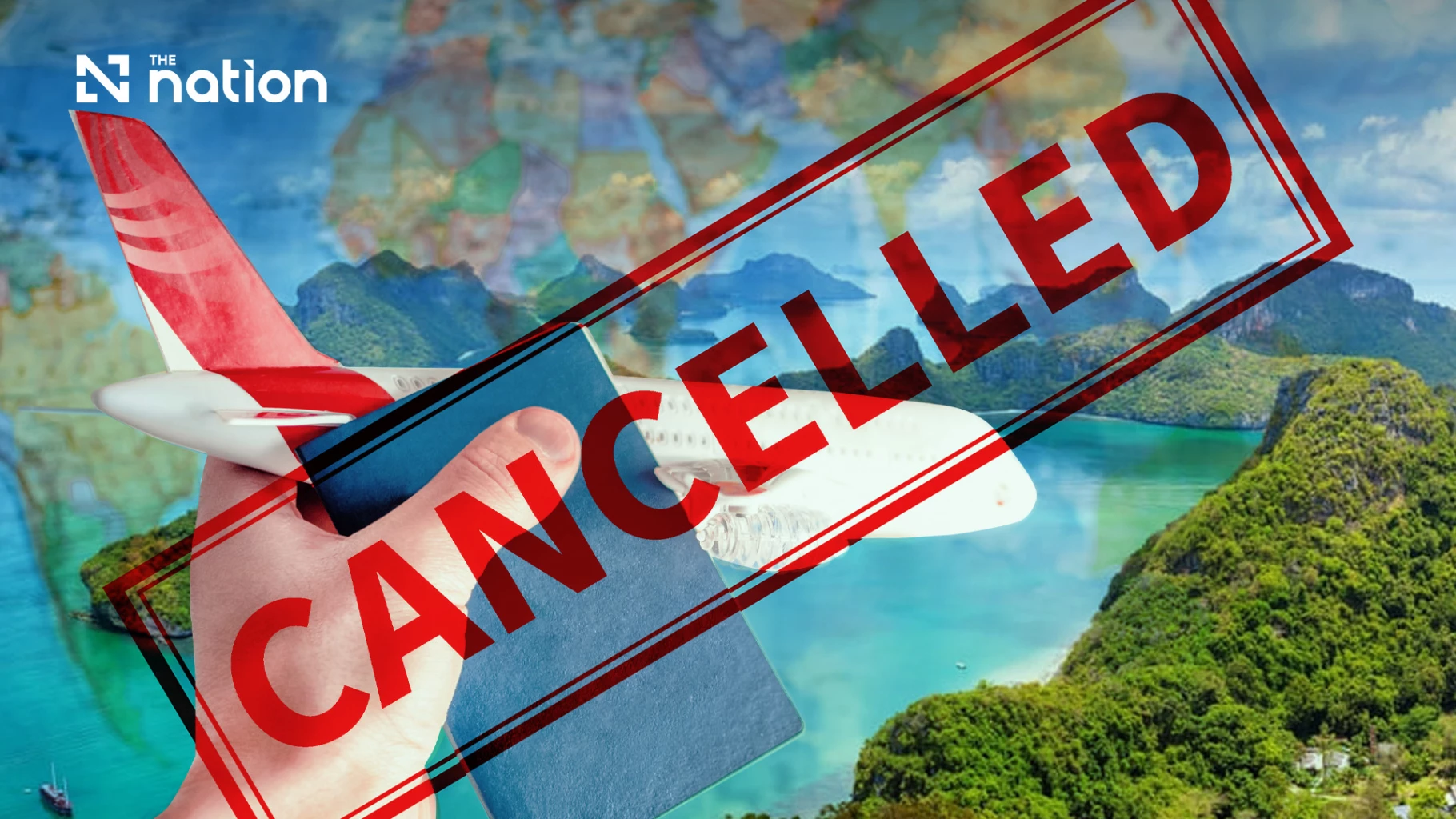
Middle East war threatens Thai tourism downturn as impact spreads to Europe
Comprehensive Summarization:
The article discusses the potential impact of an airspace closure in the Middle East on Thailand’s tourism industry. In the best-case scenario, where the situation ends within three weeks, the impact would be limited to tourists from the Middle East and European tourists who need to transit through the Middle East. This would result in a decline of tourist numbers by 210,973, with revenue losses estimated at THB13.167 billion. The majority of the decline would be from European tourists (188,129) and Middle Eastern tourists (22,844). In the base case, if the airspace closure lasts four weeks, the impact would intensify, with projected tourist numbers declining further. The article also touches on the potential for airlines to adjust routes or schedules during the final week of the closure, and the possible rise in oil prices, although these factors may not significantly affect the situation.
Key Points:
Actionable Takeaways:
Contextual Insights:
The article’s context is rooted in the current state of the travel industry, particularly in light of recent events such as the COVID-19 pandemic, which has led to numerous airspace closures worldwide. The focus on the Middle East and European tourists highlights the interconnectedness of global travel markets and the potential ripple effects of disruptions in one region. The mention of airlines adjusting routes or schedules during the final week of the closure underscores the industry’s adaptability and resilience in the face of adversity. Furthermore, the potential rise in oil prices, while not explicitly detailed, serves as a reminder of the industry’s sensitivity to global economic factors. The article aligns with current travel trends, such as the increasing importance of digital marketing and the need for businesses to be agile and responsive to changing market conditions.
Read the Complete Article.
Experience the magic of the Nile aboard Kenzy Dahabeya, a luxury boutique sailing cruise that offers an unforgettable journey between...
Read moreDetails



