






Sail Through Time: Discover the Timeless Wonders of Upper Egypt Aboard Kenzy Dahabeya
Experience the magic of the Nile aboard Kenzy Dahabeya, a luxury boutique sailing cruise that offers an unforgettable journey between...
Read moreDetails
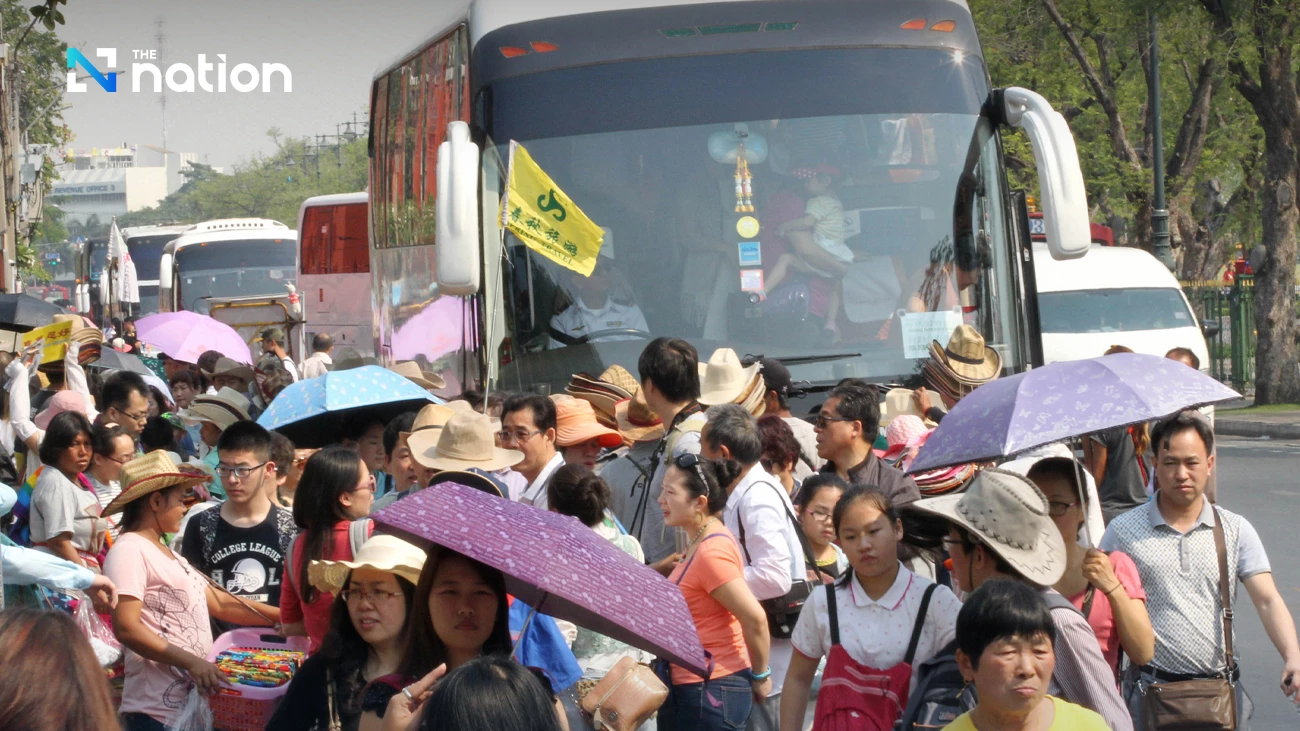
Oil shock from war hits tourism as ATTA warns China flights to Thailand may fall 30%
Comprehensive Summarization:
The article discusses the significant impact of surging costs due to an oil shock from the war on the tourism industry, particularly affecting charter flight operators. These operators are now facing uncertainty about long-term business planning, as costs could potentially double at any time. This uncertainty extends to self-drive travel from ASEAN markets, where tourists might limit fuel spending, further impacting the tourism sector. During China’s Labour Day holiday, typically a peak travel period, tourist arrivals are expected to be affected, indicating a broader concern for the industry’s stability.
Key Points:
Actionable Takeaways:
Cost Management for Charter Operators: Charter operators should explore cost-saving measures and flexible pricing strategies to navigate the current uncertainty in the tourism industry. This could involve optimizing flight schedules, reducing operational costs, or diversifying their customer base to mitigate the impact of rising fuel costs.
Fuel Cost Monitoring: Travel agencies and tourism operators should closely monitor fuel prices and adjust their pricing models accordingly. This proactive approach can help in managing customer expectations and maintaining profitability amidst rising operational costs.
Diversification of Travel Markets: To reduce dependency on any single market, travel companies should consider diversifying their offerings to include other ASEAN markets or exploring alternative destinations. This strategy can help mitigate the risk of a slowdown in self-drive travel from China and other affected regions.
Contextual Insights:
The article reflects the current challenges faced by the tourism industry due to geopolitical tensions and rising fuel costs. The uncertainty surrounding long-term planning for charter operators highlights the need for flexibility and adaptability in the industry. The potential slowdown in self-drive travel from ASEAN markets underscores the vulnerability of the tourism sector to external economic factors. These insights are crucial for travel startups and fintech companies looking to innovate and adapt to the evolving landscape. By focusing on cost management, fuel cost monitoring, and market diversification, industry players can enhance their resilience and better navigate the current challenges.
Read the Complete Article.
Experience the magic of the Nile aboard Kenzy Dahabeya, a luxury boutique sailing cruise that offers an unforgettable journey between...
Read moreDetails



