












Sail Through Time: Discover the Timeless Wonders of Upper Egypt Aboard Kenzy Dahabeya
Experience the magic of the Nile aboard Kenzy Dahabeya, a luxury boutique sailing cruise that offers an unforgettable journey between...
Read moreDetails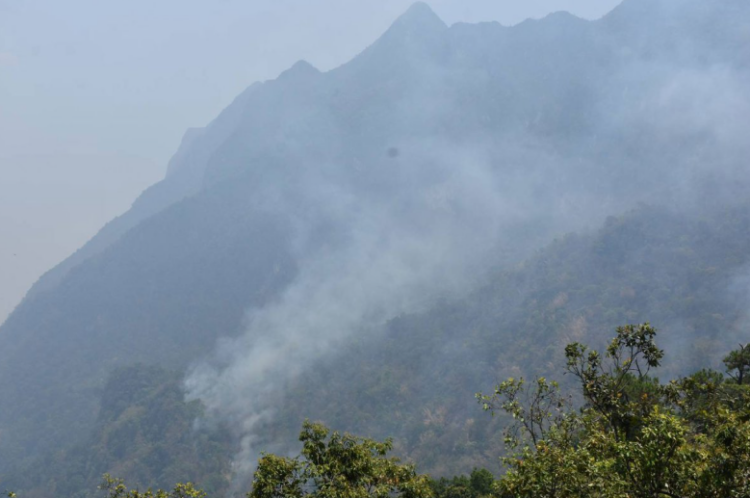
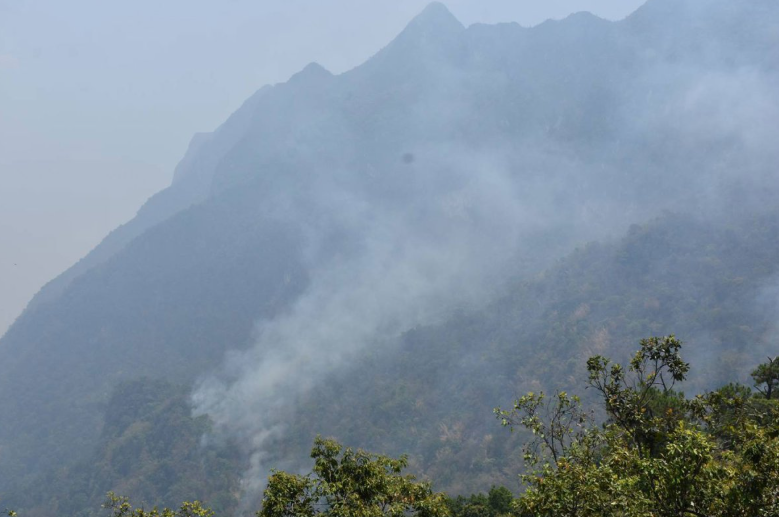
Severe haze and PM2.5 pollution have caused tourist arrivals in Pai, northern Thailand, to drop by nearly 90%, local officials say. Photo: Panumet Tanraksa
Comprehensive Summarization:
The article reports a significant decline in tourist arrivals to Pai, a northern Thai town, due to severe air pollution caused by persistent wildfire smoke and widespread burning. Local officials and residents attribute the drop to nearly 90%, as highlighted by the Bangkok Post. The hazardous air quality, with PM2.5 readings far exceeding safe limits, has forced residents to wear masks daily. Jurairat Kantasuk, a former village head in Pai, expressed the ongoing struggle with wildfire smoke, emphasizing the impact on daily life and tourism. The article underscores the severe consequences of environmental factors on tourism, particularly in regions heavily reliant on visitor arrivals.
Key Points:
Actionable Takeaways:
Invest in Air Quality Monitoring and Mitigation Technologies: Given the severe impact of air pollution on tourism, travel businesses in affected regions should invest in advanced air quality monitoring systems and implement mitigation strategies. This could include promoting eco-friendly travel options, enhancing local air quality through community initiatives, and leveraging technology to provide real-time air quality updates to tourists. This approach aligns with the growing trend of sustainability and environmental responsibility in the travel industry, potentially enhancing brand reputation and attracting eco-conscious travelers.
Develop Flexible Travel Packages: In light of unpredictable environmental conditions, travel companies should consider developing flexible travel packages that allow customers to adjust their itineraries based on air quality conditions. This could involve offering refunds or rescheduling options if air quality deteriorates significantly. This strategy not only addresses customer concerns about safety and comfort but also aligns with the increasing demand for adaptable travel solutions in the face of climate-related challenges.
Contextual Understanding:
The article reflects the current challenges faced by the travel industry due to environmental factors, specifically air pollution caused by wildfires. This situation is emblematic of broader trends where climate change and environmental degradation are increasingly impacting tourism destinations worldwide. The focus on air quality and its direct impact on tourism aligns with the latest travel trends emphasizing sustainability and safety. Thought leaders in the industry are increasingly advocating for responsible tourism practices that consider environmental health, making this article a pertinent example of how environmental issues can directly affect travel economics and consumer behavior. The insights provided in the article underscore the need for proactive measures in the travel sector to mitigate the effects of environmental challenges on tourism, reflecting a forward-looking perspective on industry resilience and adaptation.
Read the Complete Article.
Experience the magic of the Nile aboard Kenzy Dahabeya, a luxury boutique sailing cruise that offers an unforgettable journey between...
Read moreDetails



