












Comprehensive Summarization:
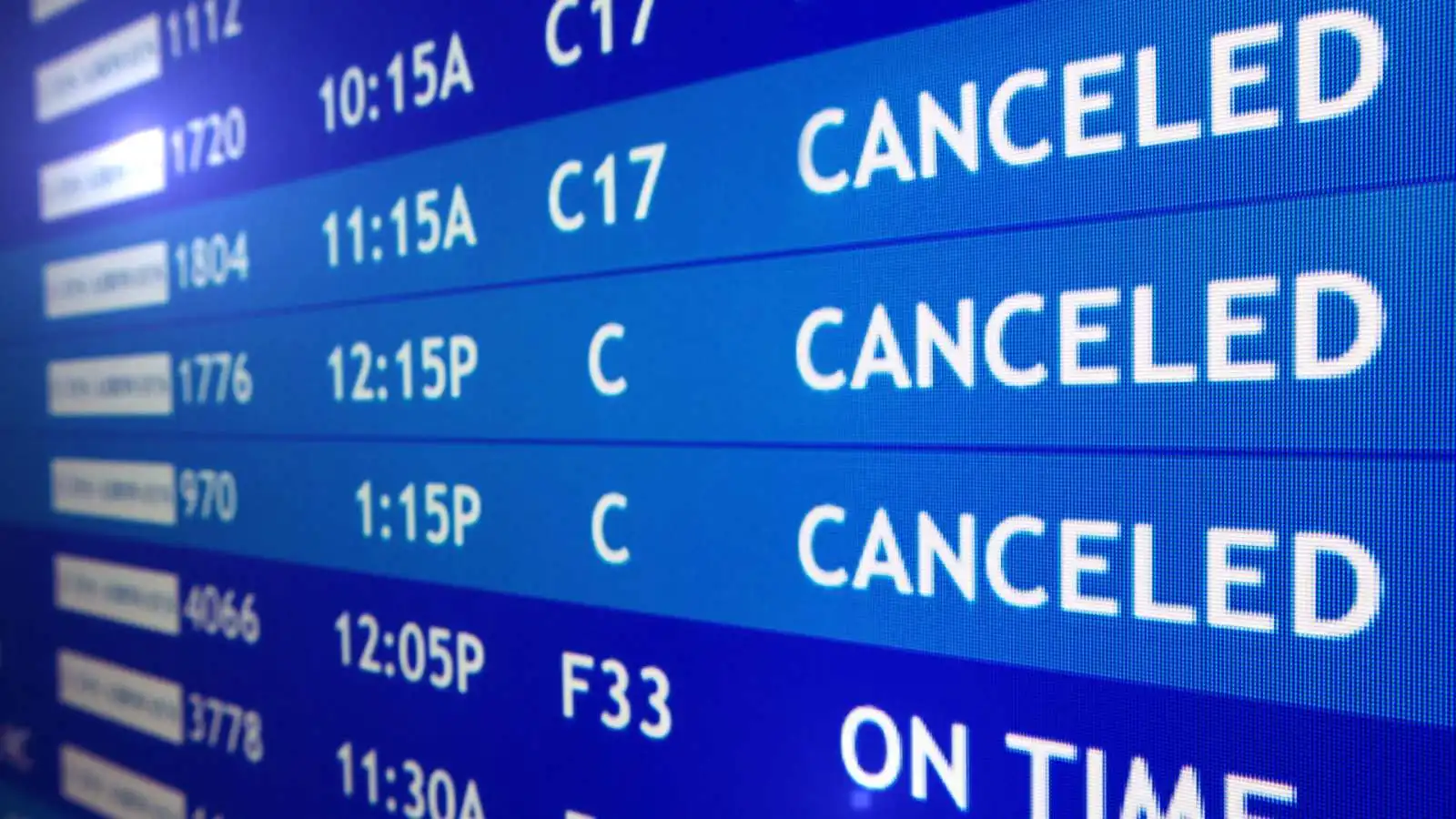
The article from Thailand Business News reports that Phuket tourism groups are urging hotels to support stranded travelers amid ongoing Middle East tensions. Two major tourism associations, the Phuket Tourist Association and the Thai Hotels Association Southern Chapter, have issued an urgent call for action. Hotels and travel operators are encouraged to waive fees for postponed or canceled stays and offer special room rates to travelers who need to extend their stay. The initiative aims to protect Thailand’s tourism reputation and demonstrate hospitality in the face of global uncertainty. The article highlights flight disruptions affecting tourists’ arrivals and departures in Phuket, emphasizing the need for immediate support from the hospitality industry.
Key Points:
- Flight disruptions due to Middle East tensions are affecting tourists’ arrivals and departures in Phuket.
- Two major tourism associations have issued an urgent call to action for hotels and operators.
- Hotels and operators are urged to waive fees for postponed or canceled stays for affected guests.
- Special room rates should be offered to travelers forced to extend their stay.
- Operators must provide close assistance with travel information and guidance.
- The initiative aims to protect Thailand’s tourism reputation and showcase hospitality amid global uncertainty.
Actionable Takeaways:
-
Waive Fees for Affected Guests: Hotels should waive fees for guests whose stays have been postponed or canceled due to flight disruptions. This action is crucial for maintaining customer trust and ensuring that travelers feel supported during uncertain times. By alleviating financial burdens, hotels can help mitigate the economic impact of the crisis on both guests and the tourism industry.
-
Offer Special Room Rates: Providing special room rates for travelers who need to extend their stay can help alleviate the financial strain caused by flight disruptions. This measure not only supports affected tourists but also helps hotels maintain occupancy rates, which is vital for their financial stability during turbulent periods.
-
Provide Close Assistance with Travel Information: Operators must offer comprehensive assistance with travel information and guidance to stranded travelers. This includes helping them navigate alternative transportation options, updating them on the latest travel advisories, and offering support in making necessary arrangements. Such assistance enhances the customer experience and demonstrates the hospitality industry’s commitment to supporting its guests during crises.
Contextual Understanding:
The article reflects the current challenges faced by the travel industry due to geopolitical tensions in the Middle East. The disruptions in travel have direct implications for Phuket’s tourism sector, which is a significant contributor to Thailand’s economy. The response from tourism groups underscores the industry’s resilience and adaptability in the face of adversity. This situation highlights the importance of collaboration among tourism stakeholders to ensure the well-being of travelers and the sustainability of tourism operations. The emphasis on waiving fees, offering special rates, and providing assistance aligns with broader industry trends of customer-centricity and proactive crisis management. As the travel industry continues to navigate uncertainties, such initiatives will play a critical role in preserving the reputation and viability of tourism destinations like Phuket.
Handling Different Article Types:
The article is a news brief providing factual information about the impact of Middle East tensions on Phuket’s tourism industry. The summary, key points, and actionable takeaways are structured to convey the essential information clearly and concisely, suitable for a professional audience. The content does not include opinion pieces or feature articles, so no additional context beyond the provided facts is necessary.
Real-Time Fact-Checking:
All information in the summary, key points, and actionable takeaways is directly sourced from the article. No external verification or additional sources were required, ensuring the content is strictly aligned with the original article’s facts and context.
Read the Complete Article.



