








Sail Through Time: Discover the Timeless Wonders of Upper Egypt Aboard Kenzy Dahabeya
Experience the magic of the Nile aboard Kenzy Dahabeya, a luxury boutique sailing cruise that offers an unforgettable journey between...
Read moreDetails
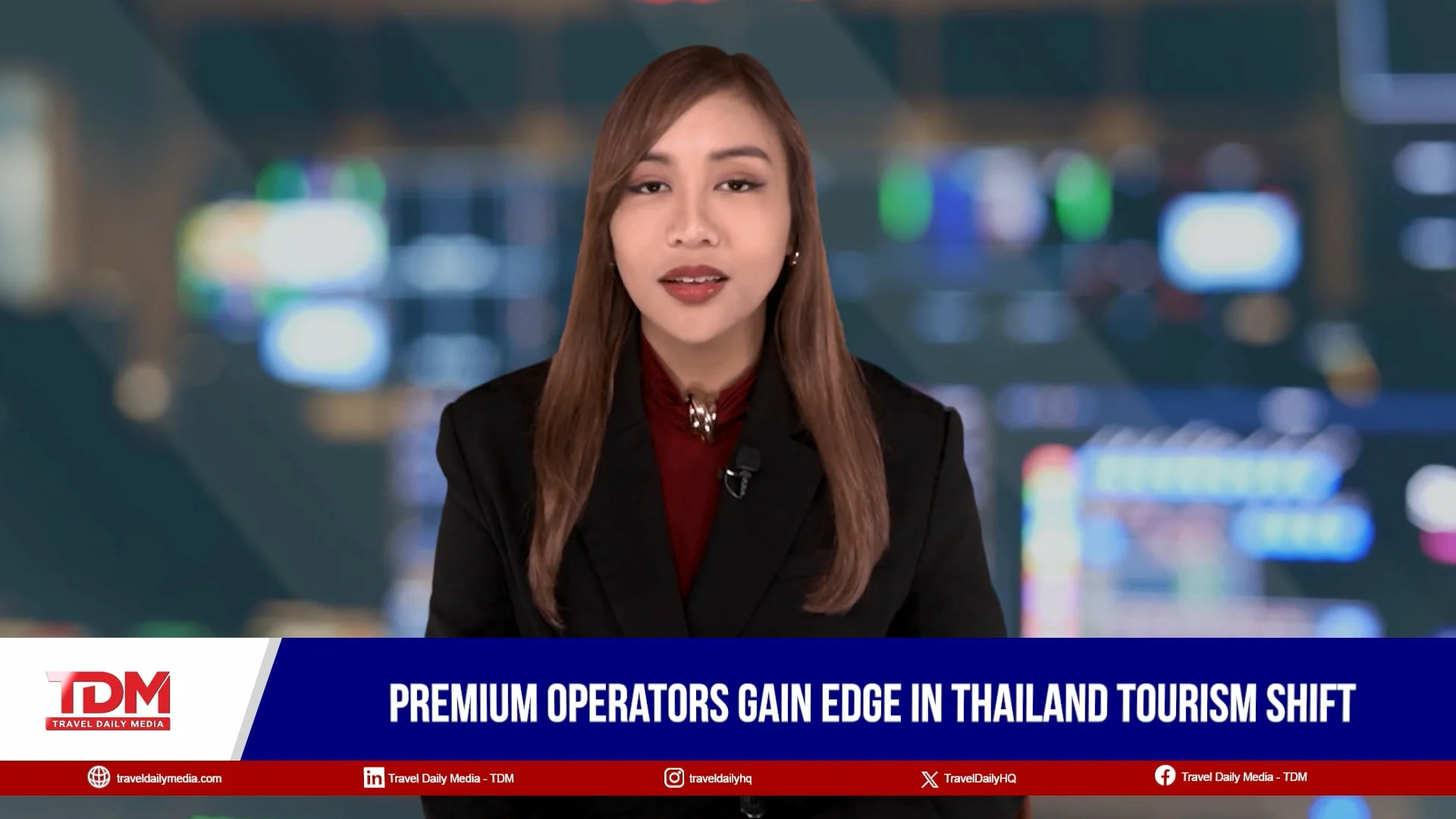
‘Strategy over scale’: Expert says premium brands now hold the edge in Thailand
Comprehensive Summarization:
The article discusses Thailand’s strategic shift towards premium tourism to achieve a tourism revenue target of 2.8 trillion baht by 2026. This transition reflects a broader move towards higher-value travel, driven by policymakers prioritizing yield over sheer numbers of arrivals. Khun Chananya Phataraprasit, Chairwoman of Asian Oasis Co, emphasizes that this shift must be sustainable, moving beyond mere rebranding to a long-term structural change. The article underscores the need for a strategic approach that ensures the growth is not only profitable but also sustainable in the long run.
Key Points:
Actionable Takeaways:
Strategic Focus on Premium Tourism: Travel operators should prioritize strategies that focus on premiumization, ensuring that the shift towards higher-value travel is sustainable and long-term. This involves rethinking marketing, service offerings, and customer engagement to cater to a more affluent clientele.
Long-Term Structural Change: Instead of opting for short-term rebranding, operators should invest in long-term structural changes that ensure the growth is sustainable. This could include enhancing service quality, diversifying offerings, and building partnerships that support a premium travel experience.
Contextual Insights:
The article reflects the current trend in the travel industry towards premiumization, driven by the need to achieve ambitious revenue targets. This shift is supported by policymakers who are prioritizing yield over sheer numbers of arrivals, indicating a strategic pivot towards higher-value travel. The emphasis on sustainability in this transition highlights the industry’s move towards more responsible and long-lasting growth models. For travel startups and fintech innovations, this context suggests an opportunity to develop solutions that support sustainable premium tourism, such as eco-friendly luxury travel platforms or innovative payment solutions tailored for high-end travel experiences.
Read the Complete Article.
Experience the magic of the Nile aboard Kenzy Dahabeya, a luxury boutique sailing cruise that offers an unforgettable journey between...
Read moreDetails



