
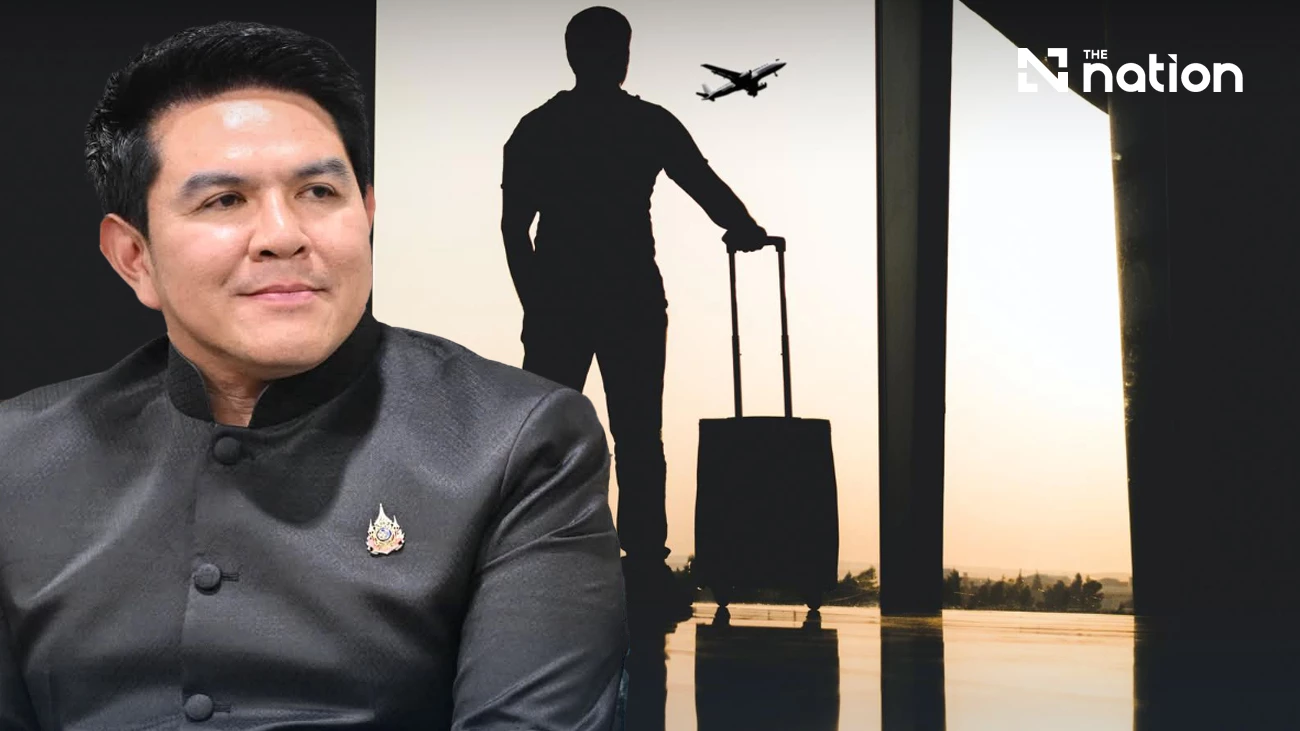
Authorities target unruly foreign tourists under new deportation rules
THE NEWS: Thailand’s Tourism and Sports Ministry announced a new “zero‑tolerance” regulation that allows authorities to detain, revoke visas and...
Read moreDetailsEvery alert that matters — when it happens.

Thailand’s Shinawatra dynasty faces triple court test that could upend politics
Thailand’s political landscape is on the brink of significant upheaval as the Shinawatra dynasty, a powerful and influential family in Thai politics, faces a series of critical court challenges. These legal battles, potentially impacting key figures like former Prime Minister Thaksin Shinawatra and current Prime Minister Srettha Thavisin, could dramatically reshape the nation’s political future.
At the heart of the proceedings is the potential revocation of Thaksin Shinawatra’s royal pardon, a move that could see him return to jail. Simultaneously, Prime Minister Srettha Thavisin is under scrutiny for a potential breach of ethics concerning his appointment of a cabinet minister. Adding to the dynasty’s legal entanglements, a separate case challenges the legitimacy of Mr. Srettha’s premiership.
The outcome of these trials carries immense weight, with the potential to trigger early elections, force cabinet reshuffles, or even lead to the dissolution of the ruling Pheu Thai Party, the political vehicle long associated with the Shinawatra family. This is not the first time the Shinawatra family has navigated treacherous political and legal waters. Their history is marked by periods of immense popularity, populist policies, and subsequent political crises, including coups and legal disqualifications.
The current legal challenges reflect a deep-seated division within Thai society. Supporters of the Shinawatra family often highlight their efforts to improve the lives of rural and working-class populations through social welfare programs and economic stimulus. Conversely, critics often point to accusations of corruption and authoritarian tendencies. The judiciary’s role in these cases is seen as pivotal, with its decisions potentially determining the direction of Thai democracy for years to come.
The implications extend beyond the immediate legal ramifications. A destabilized government could hinder economic recovery and foreign investment, particularly in a nation heavily reliant on tourism and trade. The international community will be closely watching these developments, as Thailand remains a key player in Southeast Asian geopolitics and economics. The upcoming court decisions represent a crucial juncture, where the enduring legacy and future influence of the Shinawatra dynasty, and by extension, Thailand’s political trajectory, will be tested.
Key Points
Read the Complete Article.
THE NEWS: Thailand’s Tourism and Sports Ministry announced a new “zero‑tolerance” regulation that allows authorities to detain, revoke visas and...
Read moreDetails

Experience the magic of the Nile aboard Kenzy Dahabeya, a luxury boutique sailing cruise that offers an unforgettable journey between...
Read moreDetails





