










Sail Through Time: Discover the Timeless Wonders of Upper Egypt Aboard Kenzy Dahabeya
Experience the magic of the Nile aboard Kenzy Dahabeya, a luxury boutique sailing cruise that offers an unforgettable journey between...
Read moreDetails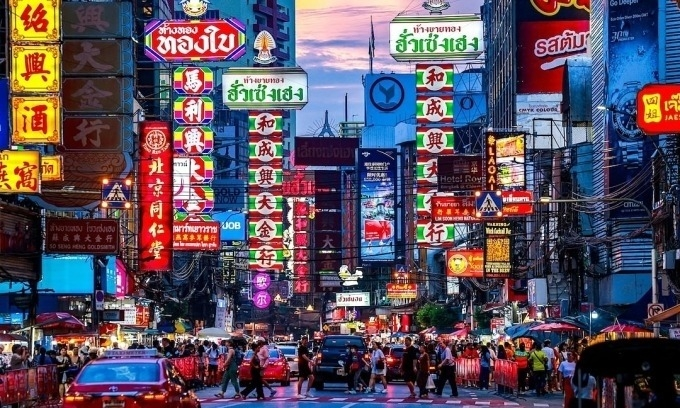
Thai tourism firms face mounting debt burden amid energy crisis
Comprehensive Summarization:
The article discusses the challenges faced by the Thai travel industry, particularly the impact of ongoing tensions in the Middle East and an energy crisis on the sector. Adith Chairattananon, the honorary secretary-general of the Association of Thai Travel Agents, highlights that existing support measures, such as subsidies under the Khon La Khrueng Plus co-payment scheme, are insufficient to sustain growth. The rising costs of logistics, energy, and products have reduced consumers’ purchasing power, making people able to buy fewer goods or smaller baskets with the same amount of money compared to the previous year. This situation has significantly strained Small and Medium Enterprises (SMEs), which constitute the majority of businesses in Thailand. Many SMEs have become non-performing borrowers and are unable to expand due to weak demand. The article underscores the need for more robust support measures to sustain growth in the travel industry amidst these challenges.
Key Points:
Actionable Takeaways:
Enhanced Government Support Measures: Given the insufficient support measures currently in place, there is a pressing need for the government to enhance its support schemes for the Thai travel industry. This could include increased subsidies, tax relief, or financial incentives to help SMEs manage the rising costs of logistics, energy, and products. The relevance of this takeaway lies in its potential to alleviate the financial strain on SMEs, thereby supporting their ability to expand and sustain growth in the current challenging environment.
Diversification of Revenue Streams: With consumers’ purchasing power reduced due to the energy crisis, travel businesses need to diversify their revenue streams. This could involve offering value-added services, such as exclusive travel packages, luxury experiences, or partnerships with local businesses to create unique offerings. The relevance of this takeaway is in its potential to help travel businesses adapt to the reduced consumer spending by attracting customers through differentiated services, thereby mitigating the impact of weak demand.
Investment in Digital Transformation: The article does not explicitly mention digital transformation, but given the broader context of the travel industry facing economic challenges, investing in digital technologies could be a strategic move. This could include enhancing online booking platforms, improving customer service through AI chatbots, or leveraging data analytics for better market insights. The relevance of this takeaway is in its potential to improve operational efficiency, enhance customer experience, and provide a competitive edge in a market where consumers are more price-sensitive due to reduced purchasing power.
Contextual Insights:
The article’s context is deeply rooted in the current economic challenges faced by the Thai travel industry, particularly the impact of geopolitical tensions in the Middle East and an energy crisis. These factors have led to increased costs for businesses, reduced consumer purchasing power, and significant strain on SMEs, which are the backbone of the industry. The situation underscores the vulnerability of the travel sector to external shocks and the need for adaptive strategies to navigate these challenges.
In terms of forward-looking perspectives, the article highlights the importance of robust support measures from the government to sustain growth in the industry. This aligns with broader industry trends where governments play a crucial role in stabilizing sectors facing economic downturns. Additionally, the emphasis on diversifying revenue streams and investing in digital transformation reflects the industry’s ongoing shift towards innovation and resilience. As travel startups and fintech solutions continue to emerge, they offer promising avenues for SMEs to adapt and thrive in a competitive market. The insights derived from the article suggest that the travel industry’s future success will depend on its ability to leverage government support, diversify revenue streams, and embrace technological advancements to overcome current challenges and position itself for sustainable growth.
Read the Complete Article.
Experience the magic of the Nile aboard Kenzy Dahabeya, a luxury boutique sailing cruise that offers an unforgettable journey between...
Read moreDetails



