












Sail Through Time: Discover the Timeless Wonders of Upper Egypt Aboard Kenzy Dahabeya
Experience the magic of the Nile aboard Kenzy Dahabeya, a luxury boutique sailing cruise that offers an unforgettable journey between...
Read moreDetails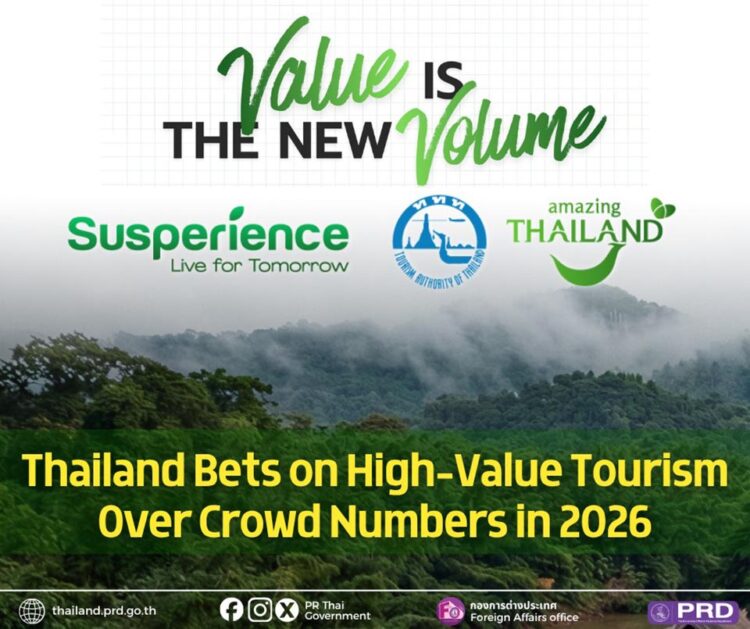
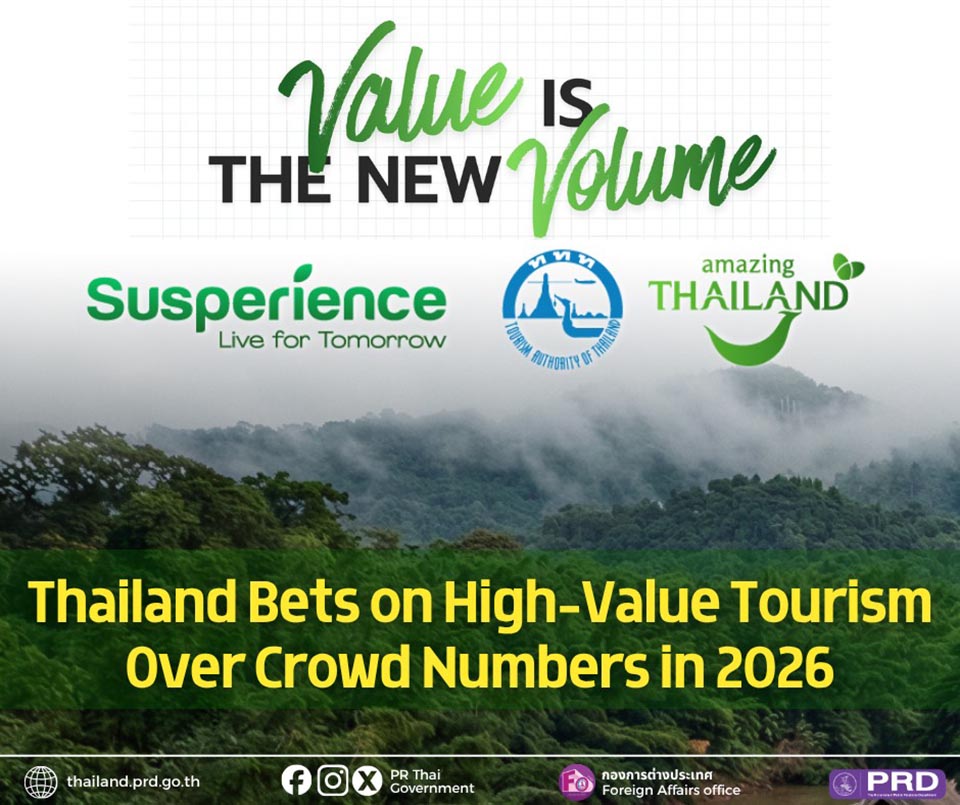
The Tourism Authority of Thailand is adjusting its 2026 outlook to 30–34 million international arrivals amid global economic and geopolitical pressures, while focusing on attracting higher-spending travellers and promoting more sustainable, value-driven tourism growth.
Comprehensive Summarization:
The article discusses Thailand’s tourism strategy for 2026, highlighting the country’s adjustment to a new outlook of 30–34 million international arrivals. This adjustment comes amidst global economic and geopolitical pressures. The Tourism Authority of Thailand is focusing on attracting higher-spending travelers and promoting more sustainable, value-driven tourism growth. The article provides a snapshot of the first quarter of 2026, noting that Thailand welcomed 9.31 million international visitors, with the top source markets being China, Malaysia, Russia, India, and others. The overall context emphasizes Thailand’s resilience and ambition in the face of challenges, positioning itself for future growth in the travel industry.
Key Points:
Actionable Takeaways:
Target Higher-Value Travelers: Thailand should continue to focus on attracting higher-spending travelers by enhancing offerings that cater to luxury and premium experiences. This strategy aligns with the country’s goal of increasing its international tourist arrivals and can lead to significant revenue growth in the tourism sector.
Promote Sustainable Tourism: Emphasizing sustainable and value-driven tourism can help Thailand appeal to a broader range of travelers, including eco-conscious and budget-conscious tourists. This approach not only supports environmental conservation but also taps into a growing market segment that values responsible travel practices.
Leverage Strong Source Markets: Thailand should continue to strengthen its partnerships and marketing efforts with its top source markets—China, Malaysia, Russia, and India. Tailored marketing campaigns and promotional activities can help maintain and increase tourist inflows from these regions, which are currently the largest contributors to Thailand’s tourism revenue.
Contextual Insights:
The article reflects the ongoing resilience and strategic adaptation of Thailand’s tourism sector in the face of global economic and geopolitical uncertainties. The focus on higher-value travelers and sustainable tourism aligns with current industry trends, where there is a growing emphasis on personalized, eco-friendly travel experiences. This shift is supported by thought leaders who advocate for the integration of technology and sustainability in travel planning and marketing. As the travel industry continues to evolve, Thailand’s strategic adjustments position it well to capitalize on emerging opportunities and maintain its competitive edge in the global tourism market.
Read the Complete Article.
Experience the magic of the Nile aboard Kenzy Dahabeya, a luxury boutique sailing cruise that offers an unforgettable journey between...
Read moreDetails



