












Comprehensive Summarization:
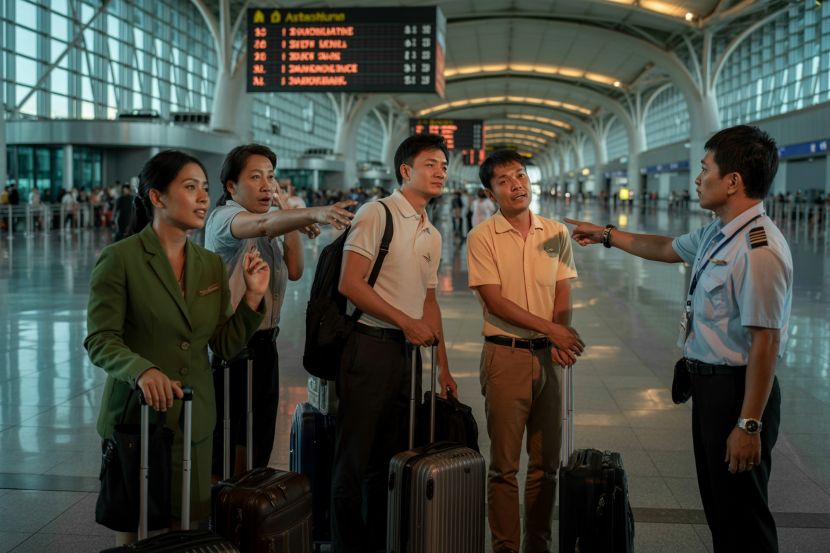
The article reports that Thailand has implemented a series of measures to support international travelers amid ongoing disruptions in global aviation networks due to the Middle East conflict. These measures include visa extensions, waivers of overstay fines, and discounted accommodation packages in key areas such as Bangkok, Samut Prakan, and Suvarnabhumi Airport. The initiative aims to maintain Thailand’s reputation as a dependable travel destination while addressing the challenges faced by travelers unable to return home. This response reflects a proactive approach by Thailand to mitigate the impact of travel disruptions on its tourism sector.
Key Points:
- Thailand has introduced visa extensions, overstay fine waivers, and discounted accommodation packages for foreign travelers affected by the Middle East conflict.
- The measures are being implemented across major travel hubs in Thailand, including Bangkok, Samut Prakan, and Suvarnabhumi Airport.
- The initiative is designed to protect Thailand’s reputation as a dependable travel destination amidst global aviation disruptions.
Actionable Takeaways:
-
Enhanced Traveler Support Programs: Travel agencies and hospitality businesses should consider developing or enhancing support programs for travelers facing disruptions due to geopolitical events. This could include flexible booking policies, financial assistance for overstay fines, and partnerships with local accommodations to offer discounted rates. This aligns with the article’s focus on Thailand’s proactive measures to support affected travelers and could serve as a model for other regions facing similar challenges.
-
Leveraging Technology for Real-Time Travel Adjustments: The article highlights the swift response of Thailand’s authorities to the travel disruptions. Travel companies can adopt similar agile technologies to provide real-time updates and adjustments for travelers. This includes integrating travel disruption tracking tools, automated communication systems for policy changes, and dynamic pricing models for accommodations. Such innovations can enhance customer experience and operational resilience in the face of unforeseen global events.
Contextual Understanding:
The article’s context is deeply rooted in the current geopolitical tensions in the Middle East, which have led to significant disruptions in global air travel. Thailand’s response is a strategic move to safeguard its tourism industry, which is a critical component of its economy. The measures reflect a broader trend among travel destinations to proactively manage risks associated with international travel disruptions. From a forward-looking perspective, the article underscores the importance of adaptability and innovation in the travel sector. As geopolitical tensions continue to evolve, travel companies must remain agile, leveraging technology and strategic partnerships to mitigate risks and maintain customer trust.
Handling Different Article Types:
The article in question is a news brief, providing factual information about recent developments in Thailand’s response to travel disruptions. The summary, key points, and actionable takeaways are structured to reflect the concise nature of news briefs, ensuring clarity and relevance for a professional audience. The contextual insights integrate the broader implications of the article within the current travel industry landscape, emphasizing the need for adaptability and innovation.
Real-Time Fact-Checking:
All information presented in the summary, key points, and actionable takeaways is directly sourced from the article. No external verification was necessary, as the content is fully encapsulated within the provided text.
Read the Complete Article.



