

Authorities target unruly foreign tourists under new deportation rules
THE NEWS: Thailand’s Tourism and Sports Ministry announced a new “zero‑tolerance” regulation that allows authorities to detain, revoke visas and...
Read moreDetailsEvery alert that matters — when it happens.

Wat Pho, Bangkok | Image credit: KOSIN SUKHUM, CC BY-SA 4.0, via Wikimedia Commons
Thailand, a perennial favorite for global travelers, is reportedly considering the introduction of a tourism tax. This potential new levy aims to bolster the nation’s tourism infrastructure and contribute to the conservation of its natural and cultural heritage. While details are still emerging, the proposed tax signals a significant shift in how Thailand plans to fund its burgeoning tourism sector.
The concept of a tourism tax is not new, with many countries implementing similar measures to manage visitor numbers, protect sensitive sites, and improve visitor experiences. For Thailand, the motivation likely stems from the immense popularity of destinations like Bangkok, Phuket, and Chiang Mai, which often face challenges related to overtourism. A dedicated tourism fund could facilitate much-needed upgrades to transportation, accommodation, and public facilities, while also supporting environmental protection initiatives.
While the specific amount of the proposed tax has not been definitively stated, it is expected to be a nominal fee applied per tourist. Such a system is designed to be equitable, with those benefiting most from Thailand’s attractions contributing a small amount towards their upkeep. This could be collected at the point of entry, such as upon arrival at international airports, or integrated into the cost of accommodation. The aim is to ensure that the tax is not overly burdensome, maintaining Thailand’s competitive edge as an affordable and attractive destination.
The introduction of a tourism tax could have several implications for both the Thai government and the travel industry. For the government, it represents a new, potentially substantial, revenue stream. This revenue could be strategically allocated to projects that directly enhance the visitor experience, such as improving sanitation at popular beaches, investing in public transport, or preserving historical sites. For travelers, it means a slight increase in the overall cost of a trip to Thailand. However, if the collected funds are demonstrably used to improve infrastructure and protect the environment, many tourists might view this as a worthwhile contribution.
The Thai government has previously explored similar initiatives, indicating a long-term commitment to sustainable tourism development. The success of this proposed tax will likely depend on its implementation, transparency in fund allocation, and effective communication to the traveling public. As Thailand continues to welcome millions of visitors each year, a well-structured tourism tax could be a crucial step towards ensuring the long-term viability and appeal of its world-renowned tourism offerings. Further announcements are expected as deliberations progress, and travelers planning future trips to the Land of Smiles should stay informed about these developments.
Key Points
Thailand is considering introducing a tourism tax. The aim is to fund tourism infrastructure and protect natural and cultural heritage. The tax is expected to be a nominal fee per tourist. Collection methods could include point of entry or integration into accommodation costs. The proposal aims to manage overtourism and improve visitor experiences. The tax is intended to not be overly burdensome, maintaining Thailand’s affordability. The revenue generated is expected to be allocated to projects enhancing visitor experience, such as infrastructure upgrades and environmental protection. This initiative aligns with Thailand’s commitment to sustainable tourism.
Read the Complete Article.
THE NEWS: Thailand’s Tourism and Sports Ministry announced a new “zero‑tolerance” regulation that allows authorities to detain, revoke visas and...
Read moreDetails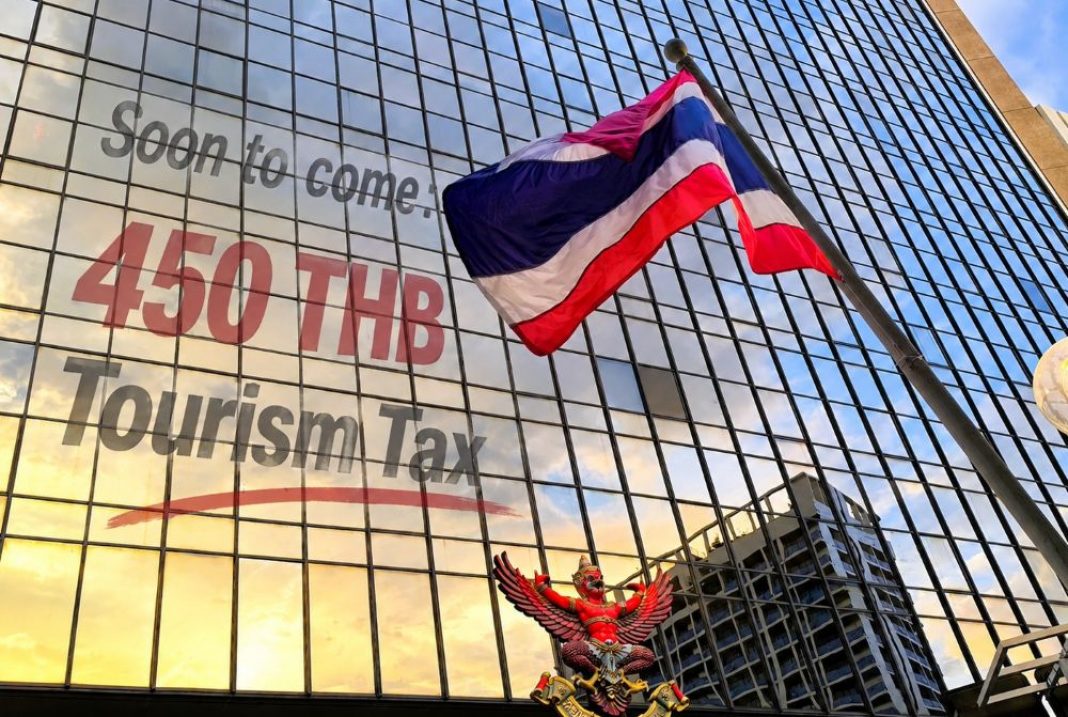

Experience the magic of the Nile aboard Kenzy Dahabeya, a luxury boutique sailing cruise that offers an unforgettable journey between...
Read moreDetails





