











Sail Through Time: Discover the Timeless Wonders of Upper Egypt Aboard Kenzy Dahabeya
Experience the magic of the Nile aboard Kenzy Dahabeya, a luxury boutique sailing cruise that offers an unforgettable journey between...
Read moreDetails
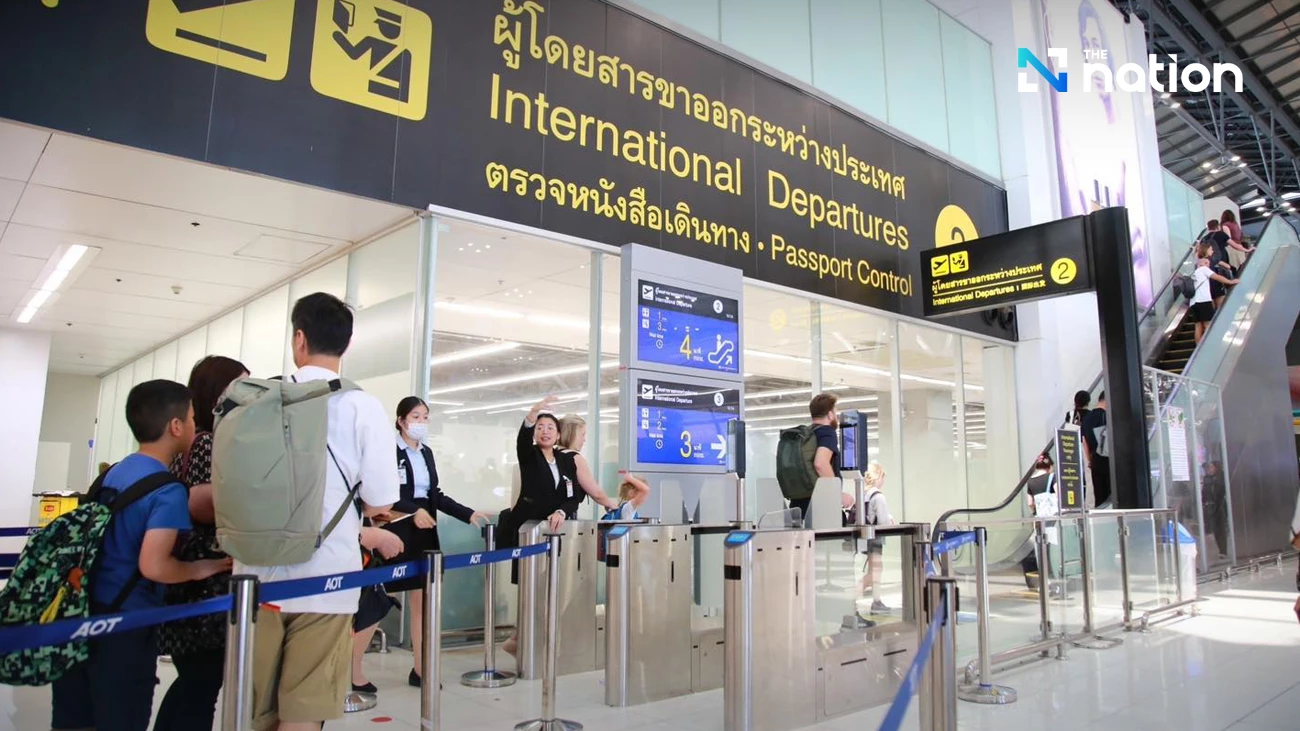
Thailand may charge Thais THB1,000 per overseas trip to fund ‘Tiew Khon La Krueng’
Comprehensive Summarization:
The article discusses a potential government initiative in Thailand to reinstate a THB1,000 exit fee for Thai citizens traveling abroad. The revenue from this fee would be directed towards supporting the domestic travel subsidy program “Tiew Khon La Krueng.” The Ministry of Tourism and Sports has been in discussions with the Ministry of Finance to reintroduce the 1983 decree on overseas travel tax, which would allow the state to collect an exit fee of THB1,000 per person per trip. The ministry estimates this measure could generate around THB10 billion annually, which would be used to subsidize 10 million entitlements under the “Tiew Khon La Krueng” scheme. Tourism and Sports Minister Surasak Phancharoenworakul highlighted this proposal, emphasizing its potential impact on the domestic travel subsidy program.
Key Points:
Actionable Takeaways:
Potential Revenue Stream for Domestic Travel: The reintroduction of the THB1,000 exit fee could provide a significant revenue stream for Thailand’s domestic travel subsidy program. This could enhance accessibility to travel within the country, potentially boosting local tourism and related industries. Relevance: Directly impacts the financial health of the domestic travel sector and could lead to increased tourism within Thailand.
Support for Travel Subsidy Program: By generating around THB10 billion annually, the initiative could significantly fund the “Tiew Khon La Krueng” scheme, providing financial assistance to 10 million entitlements. This could improve access to travel for a large segment of the population, fostering domestic tourism and supporting local economies. Relevance: Directly supports the government’s goal of enhancing domestic tourism and could lead to broader economic benefits.
Contextual Insights:
The proposal to reinstate the THB1,000 exit fee aligns with broader trends in the travel industry towards sustainable and subsidized travel options. As governments worldwide explore ways to support domestic tourism and mitigate the impacts of global economic fluctuations, this initiative could serve as a model for other countries facing similar challenges. The focus on leveraging travel fees to subsidize domestic travel programs reflects a strategic approach to balancing revenue generation with social welfare objectives. Furthermore, the emphasis on generating THB10 billion annually underscores the potential for innovative financial models in the travel sector, which could inspire similar initiatives in other regions. This move also highlights the importance of adaptive policies in the travel industry, particularly in response to economic and regulatory changes.
Read the Complete Article.
Experience the magic of the Nile aboard Kenzy Dahabeya, a luxury boutique sailing cruise that offers an unforgettable journey between...
Read moreDetails



