




Sail Through Time: Discover the Timeless Wonders of Upper Egypt Aboard Kenzy Dahabeya
Experience the magic of the Nile aboard Kenzy Dahabeya, a luxury boutique sailing cruise that offers an unforgettable journey between...
Read moreDetails
Comprehensive Summarization:
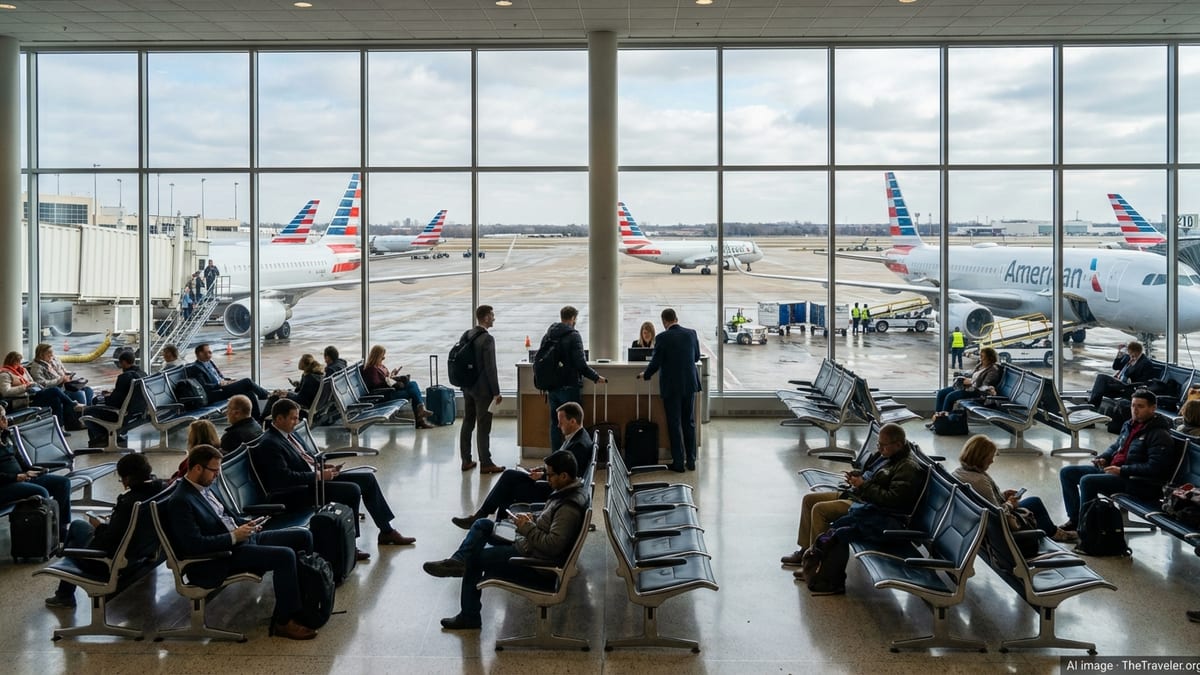
The article discusses the challenges Thailand faces as it enters the Songkran holiday season, which is expected to be significantly impacted by a global fuel shock. This disruption, primarily caused by conflict in the Middle East leading to a sharp increase in crude oil prices above $100 per barrel, is affecting Thailand’s transport networks. As a country heavily reliant on imported fuel, Thailand is experiencing increased costs and supply constraints, which are raising concerns about the smooth operation of both domestic and international travel during this peak travel season. The article highlights the potential strain on the country’s transport infrastructure and questions the feasibility of millions of journeys unfolding without major disruptions.
Key Points:
Actionable Takeaways:
Contextual Insights:
The current global fuel crisis, driven by geopolitical tensions in the Middle East, is a significant factor influencing travel logistics and costs in Thailand. This situation underscores the vulnerability of the travel industry to external economic factors and the importance of robust risk management strategies. As the travel industry continues to evolve, the integration of advanced technologies for real-time logistics management and the exploration of sustainable fuel alternatives are becoming increasingly relevant. Thought leaders in the travel sector are likely to emphasize the need for adaptive business models that can swiftly respond to such disruptions, ensuring the continuity of travel services and the satisfaction of travelers’ needs. The article also highlights the broader implications for travel startups and fintech innovations, as companies seek to develop solutions that address the challenges posed by fluctuating fuel prices and supply chain vulnerabilities.
Read the Complete Article.
Experience the magic of the Nile aboard Kenzy Dahabeya, a luxury boutique sailing cruise that offers an unforgettable journey between...
Read moreDetails



