- Latest
- Trending
Thailand warns of visa cancellations amid tourist misconduct
THE NEWS:
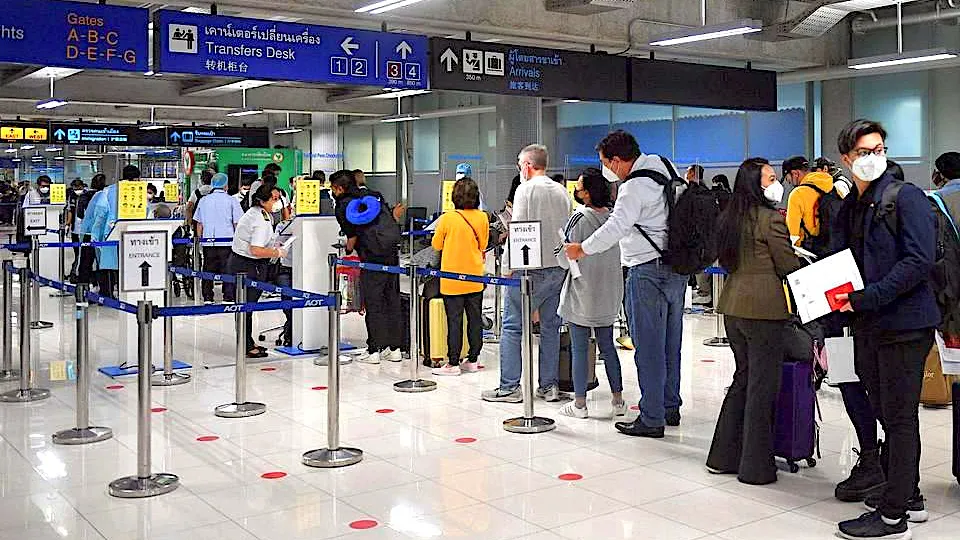
Thailand announced it will revoke the visas of foreign tourists found causing trouble, as the government moves to curb rising misconduct complaints in key tourism hubs.
DETAILS:
WHY IT MATTERS:
The measures aim to protect visitor safety and preserve Thailand’s reputation as a world‑class tourism destination, addressing concerns that tourist misbehavior could deter future arrivals and harm the service sector.
FAQ
What visa action is Thailand implementing for misbehaving tourists?
Thailand will revoke the visas of foreign tourists who are found causing trouble, a step announced to address rising complaints of misconduct in key tourism areas such as Phuket and Koh Samui, according to the Tourism and Sports Ministry. Surasak Phancharoenworakul.
Which destinations are highlighted as being affected by tourist misconduct?
The ministry pointed to Phuket province and the island of Koh Samui as popular spots where disruptive behavior by foreign visitors has been reported, prompting the new visa‑revocation policy. These locations are key tourism hubs that the government aims to protect.
Which nationality’s tourists were specifically mentioned in the incidents?
Officials noted that several incidents involving Israeli tourists drew particular attention, highlighting concerns over foreign visitor conduct in Thailand’s tourism hubs and prompting stricter enforcement measures to safeguard the country’s image. as the ministry seeks to maintain a safe and welcoming environment for all travelers.
Read Original Article.