







Sail Through Time: Discover the Timeless Wonders of Upper Egypt Aboard Kenzy Dahabeya
Experience the magic of the Nile aboard Kenzy Dahabeya, a luxury boutique sailing cruise that offers an unforgettable journey between...
Read moreDetails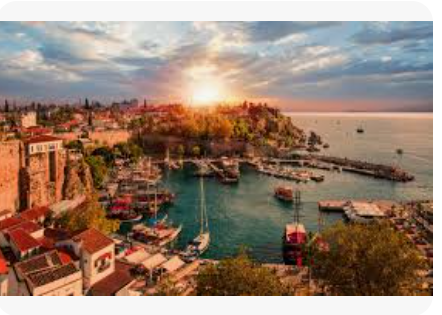
Antalya Basin to Heat Up as Climate Pressures Intensify, Study Warns
Comprehensive Summarization:
The article discusses a new academic study warning that the Antalya Basin, which will host COP31, will experience significant increases in temperature, dryness, and reduced climatic comfort by the end of the century. This shift is expected to pose substantial risks to agriculture, water resources, and tourism, thereby raising concerns about the region’s long-term economic sustainability. The study, conducted by researchers from Kastamonu University and Hiroshima University, projects a sharp warming trend across the basin, even under optimistic climate change scenarios. The findings underscore the urgent need for sustainable strategies to mitigate these environmental impacts and ensure the economic viability of the region.
Key Points:
Actionable Takeaways:
Invest in Climate Resilient Infrastructure: Given the projected increase in temperature and dryness, investing in climate-resilient infrastructure for agriculture, water management, and tourism facilities is crucial. This includes developing drought-resistant crops, efficient water conservation techniques, and sustainable tourism practices that minimize environmental impact.
Promote Sustainable Tourism Practices: The tourism sector in the Antalya Basin needs to adopt sustainable practices to mitigate environmental degradation. This could involve promoting eco-friendly accommodations, encouraging low-impact tourism activities, and educating tourists about the importance of preserving the region’s natural resources.
Enhance Water Resource Management: With the expected decrease in water availability, implementing advanced water resource management strategies is essential. This could include investing in water recycling technologies, promoting water-saving technologies in agriculture, and developing alternative water sources to ensure sustainable water supply for both residents and tourists.
Contextual Insights:
The article’s context is deeply rooted in the pressing issue of climate change and its potential impact on regions hosting major international events like COP31. The Antalya Basin’s vulnerability to climate change highlights a broader trend observed globally, where regions hosting significant events are increasingly at risk due to rising temperatures and changing climatic conditions. This underscores the need for proactive measures to ensure the long-term economic sustainability of such regions. Furthermore, the study’s findings align with the growing emphasis on sustainability in the travel industry, where stakeholders are increasingly focusing on minimizing their environmental footprint. The insights from this article can guide travel startups and fintech innovations towards developing solutions that support sustainable tourism and climate resilience, thereby contributing to the broader goal of mitigating climate change impacts on the travel industry.
Read the Complete Article.
Experience the magic of the Nile aboard Kenzy Dahabeya, a luxury boutique sailing cruise that offers an unforgettable journey between...
Read moreDetails



