









Sail Through Time: Discover the Timeless Wonders of Upper Egypt Aboard Kenzy Dahabeya
Experience the magic of the Nile aboard Kenzy Dahabeya, a luxury boutique sailing cruise that offers an unforgettable journey between...
Read moreDetails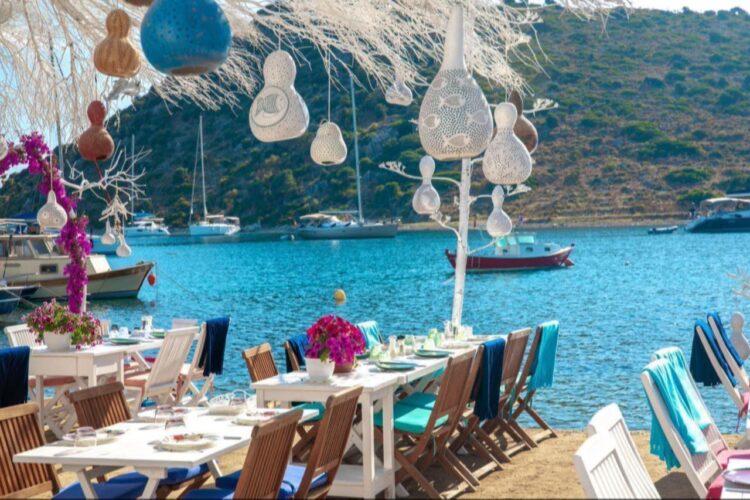
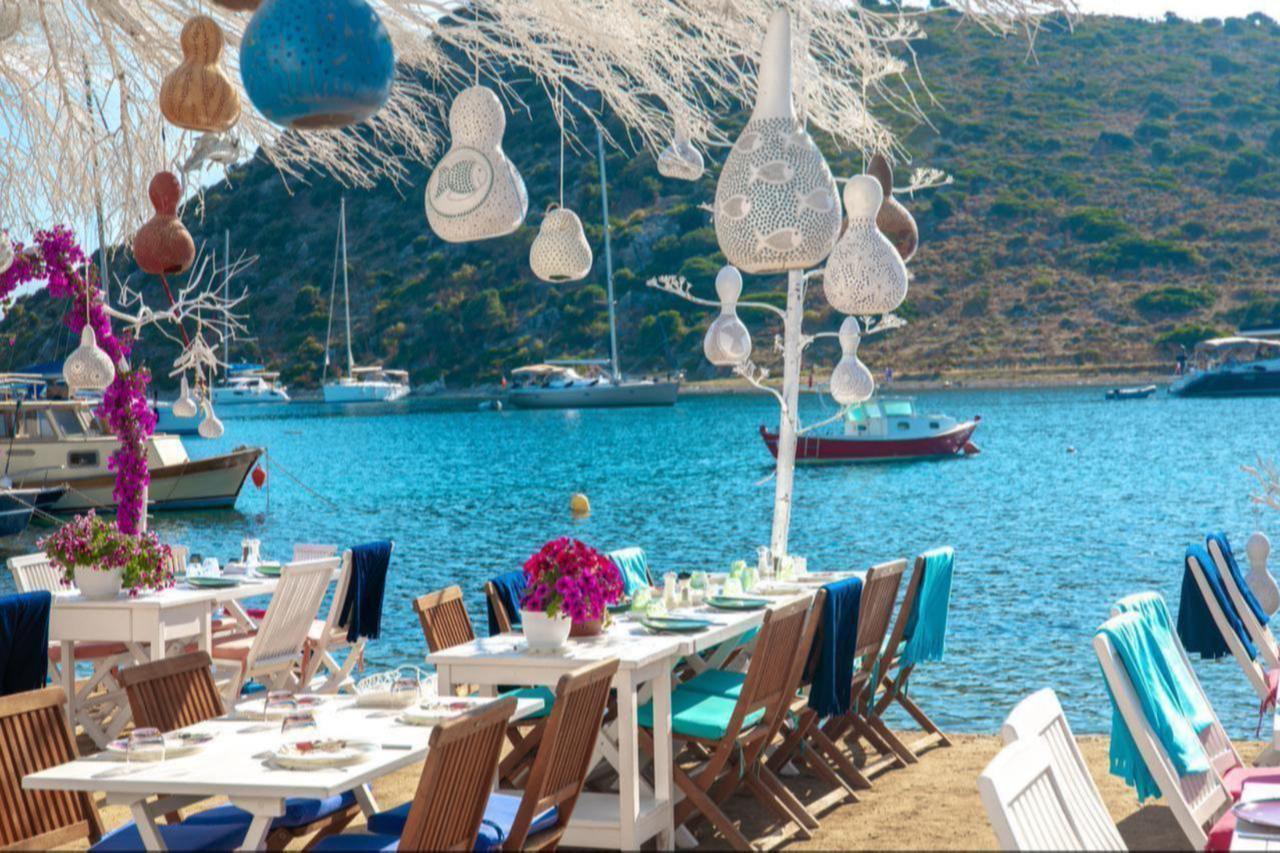
Cruise routes shift toward Bodrum amid Gulf tensions
Comprehensive Summarization:
The article discusses the shifting cruise tourism routes due to growing instability in Gulf countries. Cruise operators are redirecting their ships towards the Aegean and Mediterranean regions, particularly to Türkiye’s coastal destinations like Bodrum. This shift is resulting in a significant increase in cruise passengers, with around 8,000 arriving in Bodrum within just 15 days. This surge in tourism is attributed to the changing travel patterns influenced by regional tensions and instability.
Key Points:
Actionable Takeaways:
Contextual Insights:
The article reflects the current travel industry trend of adapting to geopolitical and regional instability by diversifying tourism routes. This shift highlights the resilience and adaptability of the cruise tourism sector in response to external factors. As geopolitical tensions continue to influence travel patterns, cruise operators and tourism stakeholders must remain agile, leveraging real-time data and insights to make informed decisions. The surge in tourism to Türkiye’s coastal destinations underscores the potential for regional economic growth, particularly in sectors related to hospitality and tourism services. This scenario also presents opportunities for travel tech innovations, such as dynamic itinerary planning and real-time travel advisories, to enhance the passenger experience and ensure safety.
Read the Complete Article.
Experience the magic of the Nile aboard Kenzy Dahabeya, a luxury boutique sailing cruise that offers an unforgettable journey between...
Read moreDetails



