












Article Summary:
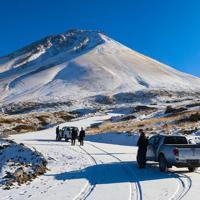
The article reports on the completion of the third phase of a major road project on Mount Ağrı, Türkiye’s highest peak. This 75-kilometer route, coordinated by the Interior Ministry and executed by the Iğdır Governor’s Office, aims to enhance access, support tourism and agriculture, and bolster security around the mountain. The latest section connects the Korhan area to the Serdarbulak Plateau, extending toward the Doğubayazıt district. Previous stages covered 15.3 kilometers and 32.5 kilometers respectively.
Key Points:
- The completion of the third phase of the Mount Ağrı road project, totaling 75 kilometers.
- The project’s objectives include improving access, promoting tourism and agriculture, and enhancing security around Mount Ağrı.
- The route connects the Korhan area to the Serdarbulak Plateau and extends toward the Doğubayazıt district.
- Earlier phases of the project covered 15.3 kilometers and 32.5 kilometers.
Actionable Takeaways:
- Tourism Boost: The new road route is expected to significantly boost tourism in the region by improving accessibility to Mount Ağrı. This development could lead to increased revenue for local businesses and infrastructure improvements, aligning with current travel industry trends focusing on enhancing visitor experiences.
- Infrastructure Investment: The completion of this phase signifies substantial investment in infrastructure, which could stimulate economic growth in the region. Such investments often lead to job creation and improved living standards, reflecting broader industry trends in infrastructure development within the travel sector.
- Security Enhancement: Strengthening security around Mount Ağrı is crucial for ensuring the safety of tourists and local residents. This focus on security aligns with the growing emphasis on safety and risk management in the travel industry, particularly in high-altitude and remote locations.
Contextual Insights:
The completion of the Mount Ağrı road project underscores the ongoing emphasis on enhancing infrastructure to support tourism and economic development in remote and high-altitude regions. This aligns with current travel industry trends that prioritize accessibility and safety, particularly in regions with significant tourist appeal. The project’s focus on tourism and agriculture highlights the interconnectedness of infrastructure development with economic growth, a key insight for stakeholders in the travel sector. Furthermore, the emphasis on security reflects a broader industry trend towards risk management and safety enhancements in travel destinations, especially in areas with challenging terrains and climatic conditions. These insights suggest that continued investment in such projects could yield significant benefits for both the local economy and the travel industry as a whole.
Read the Complete Article.



