













Article Summary:
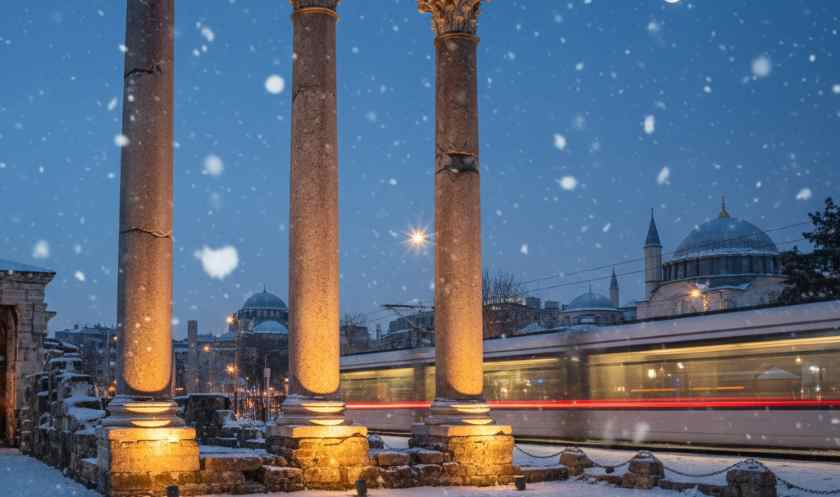
The article reports on the restoration of seven Corinthian columns from a Roman-era stoa in Amasra, Turkey. This project, led by Bartın University Archaeology Research and Application Center, aims to reconstruct a significant piece of ancient history that was uncovered three years ago during archaeological excavations. The stoa, originally built in the mid-2nd century A.D., is being meticulously rebuilt to provide modern visitors with a glimpse into the region’s rich historical heritage.
Key Points:
- Restoration of seven Corinthian columns from a Roman-era stoa in Amasra, Turkey.
- The stoa was initially discovered three years ago during archaeological excavations.
- The project is being led by Bartın University Archaeology Research and Application Center.
- The reconstruction aims to bring a piece of ancient history back to life for modern visitors.
Actionable Takeaways:
- Cultural Heritage Preservation: The restoration project highlights the importance of preserving cultural heritage sites in the travel industry. This initiative could set a precedent for other historical sites in Turkey and beyond, encouraging investment in archaeological and historical preservation projects. This not only enriches the travel experience for tourists but also supports local economies through increased tourism.
- Integration of Technology in Archaeology: The use of modern archaeological techniques and research centers in the restoration process reflects a growing trend in the travel industry where technology is integrated into historical preservation. This could inspire other travel-related startups to develop innovative tools and platforms that aid in archaeological research and site management, enhancing the visitor experience through augmented reality, virtual tours, and interactive exhibits.
Contextual Insights:
The restoration of the Roman stoa in Amasra is a testament to the ongoing efforts to preserve and showcase ancient history in a way that is accessible to modern audiences. This aligns with current travel industry trends that emphasize experiential learning and cultural immersion. As travelers increasingly seek authentic and educational experiences, destinations that offer such unique historical insights are likely to attract more visitors. Furthermore, the project underscores the potential for technology to play a pivotal role in archaeological research and site restoration, suggesting that future travel experiences may be even more enriched by technological advancements. This forward-looking perspective indicates a promising trajectory for the intersection of travel, technology, and heritage conservation, potentially driving innovation in travel tech, startups, and fintech solutions aimed at enhancing the visitor experience.
Read the Complete Article.



