












Article Summary:
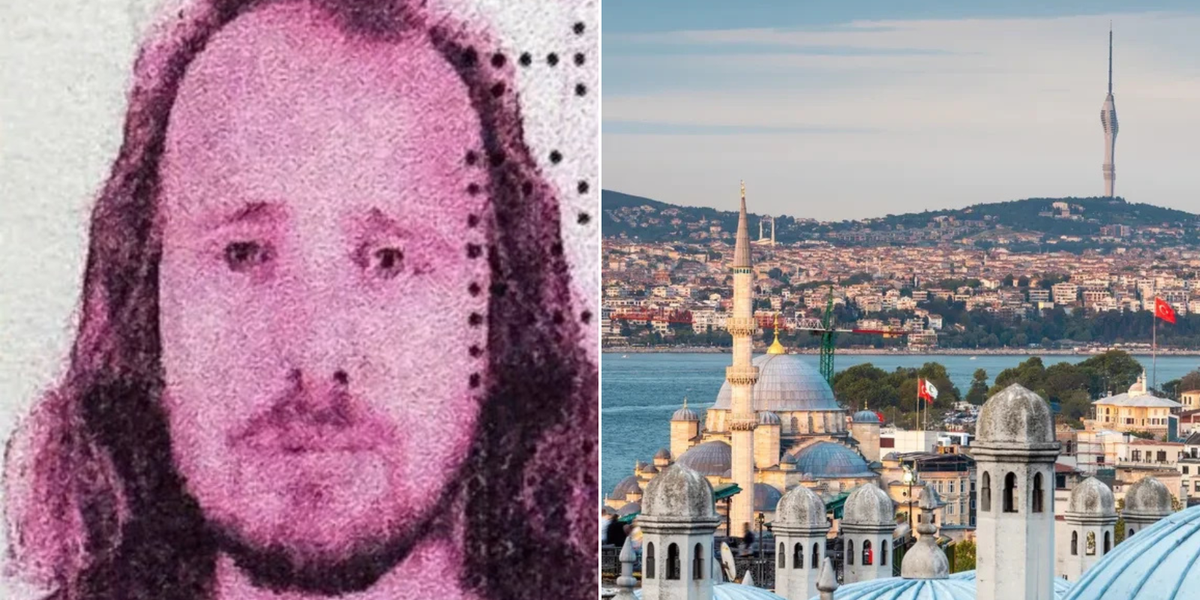
Mentor Rama, a 36-year-old British tourist, died in Istanbul after undergoing a hair transplant and dental treatment. He was identified on Thursday after collapsing hours post-procedure. Rama had checked into a hotel in Istanbul’s Sisli area and visited another clinic for dental treatment the following day.
Key Points:
- Mentor Rama, a 36-year-old British tourist, died in Istanbul following a hair transplant and dental treatment.
- He was identified on Thursday after collapsing hours after the procedures.
- Rama arrived in Istanbul last week for the hair transplant at a clinic in the city’s Fulya district.
- He checked into a hotel near Istanbul’s Sisli area and visited another clinic in the Vadi Istanbul complex for dental treatment the next day.
Actionable Takeaways:
- Importance of Post-Procedure Monitoring: The article highlights the critical need for post-procedure monitoring, especially for tourists undergoing cosmetic procedures abroad. This emphasizes the importance of healthcare facilities providing adequate aftercare services to tourists, which could be a potential area for travel tech startups to innovate.
- Risks of Cosmetic Procedures Abroad: The incident underscores the risks associated with undergoing cosmetic procedures in foreign countries. It serves as a cautionary tale for tourists considering such treatments, suggesting a need for thorough research and due diligence before choosing a medical tourism destination.
- Need for Enhanced Communication: The article suggests a need for enhanced communication between healthcare providers and tourists. Clear information about potential risks, post-procedure care, and emergency protocols could have potentially saved Rama’s life, highlighting the importance of transparent communication in the travel industry.
Contextual Insights:
The incident of Mentor Rama’s death underscores the growing trend of medical tourism, where individuals travel abroad to undergo cosmetic or other medical procedures. This trend is particularly prevalent in Turkey, which has become a popular destination due to its affordable healthcare services and skilled medical professionals. However, the article also highlights the inherent risks associated with this trend, particularly in terms of post-procedure care and emergency response. This situation reflects a broader industry challenge: balancing the benefits of medical tourism with the need for stringent safety protocols and patient care. As the travel industry continues to evolve, there is a growing emphasis on integrating technology to enhance patient safety and streamline post-procedure care. Innovations in telemedicine, remote monitoring, and real-time communication could play a crucial role in mitigating risks associated with medical tourism. Furthermore, the incident highlights the importance of regulatory frameworks that ensure the safety and quality of medical procedures offered to international tourists. As the industry moves forward, thought leaders and stakeholders must collaborate to establish best practices that prioritize patient safety without compromising the convenience and affordability that attract tourists to medical tourism destinations.
Read the Complete Article.



