














When Türkiye announced visa-free entry for Chinese passport holders starting January 2, travel plans across China shifted overnight. Searches for “Türkiye travel” surged. Travel platform Qunar reported a 3.2-fold weekly increase, while Tongcheng Travel saw searches jump 235% day on day.
Two weeks later, the first wave of travelers returned with more than photos from Cappadocia. On Chinese social media, Turkey travel tips are now dominated by disbelief. One viral meme puts it bluntly: “The first batch of visa-free middle-class tourists to Turkey have already gone bankrupt.”
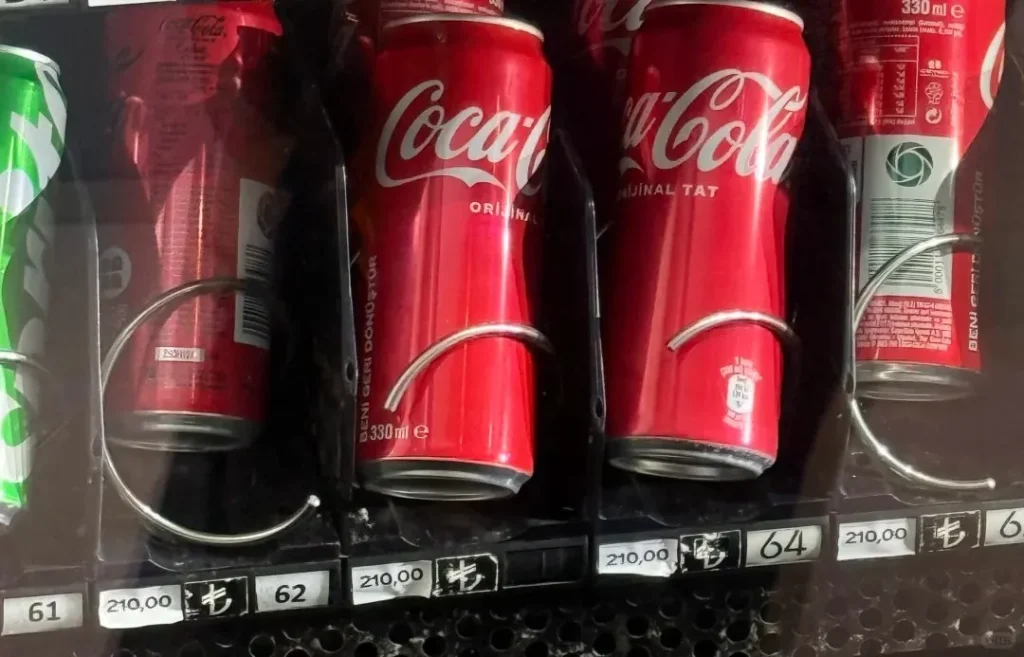
Just a few years ago, Türkiye was seen as a budget traveler’s paradise, offering rich history and dramatic scenery at prices far below Western Europe. Today, many Chinese tourists say it feels more expensive than Dubai.
Comprehensive Summarization:
The article discusses the significant impact of Türkiye’s decision to introduce visa-free entry for Chinese passport holders, effective from January 2. This policy change led to a surge in travel-related searches, with platforms like Qunar and Tongcheng Travel reporting substantial increases in interest. Within two weeks, the first wave of travelers returned to Turkey, with Chinese social media filled with disbelief and humor, encapsulated in a viral meme about the financial struggles of the first batch of visa-free tourists. The piece highlights the shift in perception of Türkiye from a budget travel destination to a more mainstream travel option, reflecting broader travel industry trends and the influence of digital platforms on consumer behavior.
Key Points:
- Türkiye announced visa-free entry for Chinese passport holders starting January 2, leading to a surge in travel searches.
- Travel platforms Qunar and Tongcheng Travel reported significant increases in searches for “Türkiye travel.”
- Within two weeks, the first wave of visa-free travelers returned to Turkey, with humorous commentary on social media about their financial experiences.
- The article reflects a shift in Türkiye’s travel perception, moving from a budget destination to a more mainstream travel option.
Actionable Takeaways:
-
Enhanced Digital Marketing Strategies: Travel platforms and agencies should leverage the surge in digital searches by enhancing their online marketing strategies. This includes targeted campaigns on platforms like Qunar and Tongcheng Travel to capitalize on the increased interest in Türkiye.
-
Cultural and Financial Preparedness: Travel agencies and tour operators should prepare Chinese tourists for a more premium travel experience in Türkiye. This includes offering comprehensive travel packages that include cultural insights and financial planning advice to mitigate the risk of financial strain highlighted in the article.
-
Leverage Social Media Trends: Brands can use the viral trends on Chinese social media to their advantage. Creating engaging content that aligns with the humor and disbelief seen in the meme can help in building a positive brand image and attracting the attention of the first wave of travelers.
Contextual Insights:
The decision to introduce visa-free entry for Chinese passport holders is a strategic move by Türkiye to boost its tourism sector, particularly targeting the lucrative Chinese market. This move aligns with broader industry trends where digital platforms are playing a crucial role in shaping travel decisions. The surge in searches and the subsequent return of travelers indicate a successful initial response to the policy change. Looking forward, this trend suggests that digital marketing and social media engagement will continue to be pivotal in attracting international tourists, especially from emerging markets like China. Additionally, the shift in perception from a budget destination to a mainstream travel option opens opportunities for luxury travel brands to position themselves in the market, catering to the growing middle-class tourist segment. This aligns with current industry insights that emphasize the importance of digital innovation and cultural relevance in travel marketing strategies.
Read the Complete Article.



