












Comprehensive Summarization:
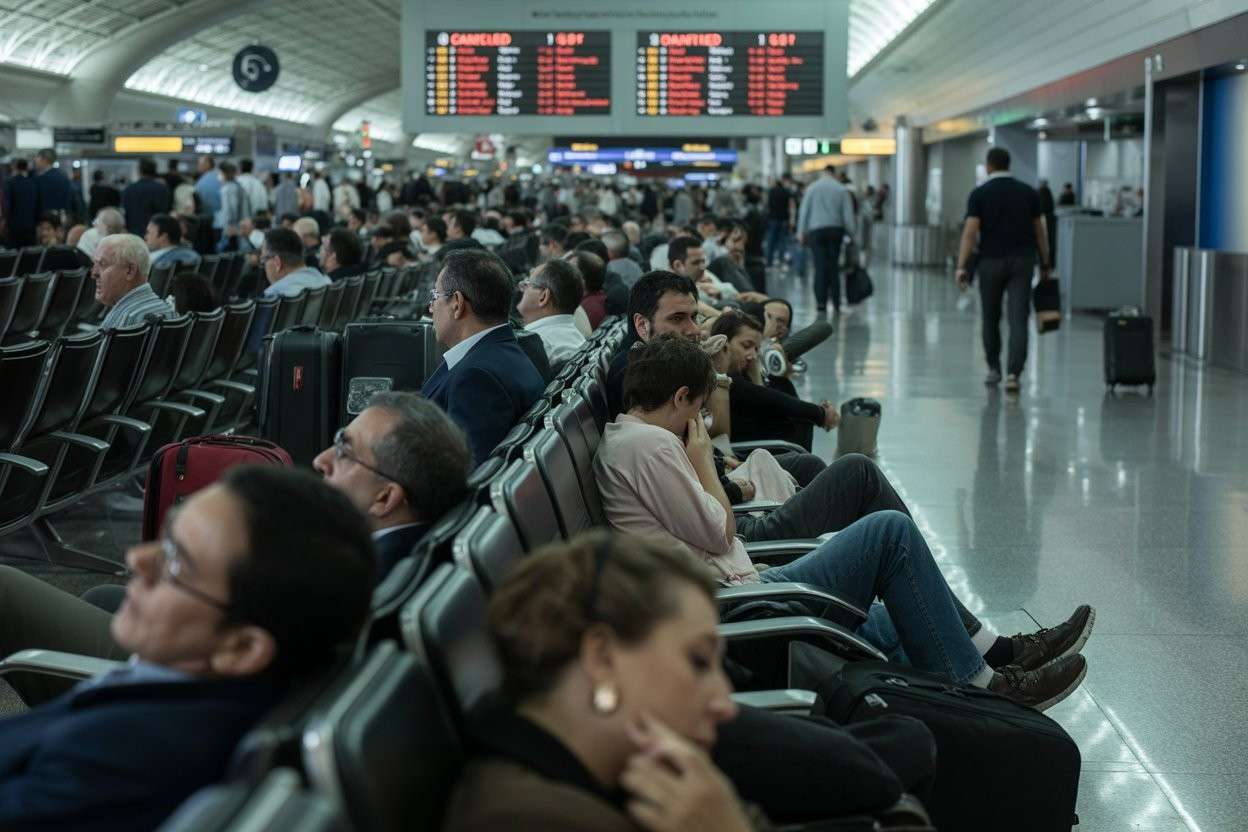
The article reports on significant tourism disruptions in Dubai, Istanbul, and the Maldives due to airspace closures in the Middle East. These closures have forced widespread flight rerouting, impacting dozens of carriers operating between Europe, Asia, and popular resort destinations. The UAE government has confirmed that Dubai’s operations continue despite these diversions around Persian Gulf routes. Turkish authorities maintain Istanbul open, but the situation is causing extended layovers and cancellations, severely impacting tourism flows to these high-demand gateways. The article highlights the challenges faced by travelers and the broader implications for the tourism industry in the region.
Key Points:
- Severe tourism disruptions in Dubai, Istanbul, and the Maldives due to Middle East airspace closures.
- Iranian airspace suspension affecting numerous carriers operating in the region.
- UAE government travel advisories indicate continued operations in Dubai, with diversions around Persian Gulf routes.
- Turkish authorities maintaining open Istanbul airspace, though disruptions are causing travel challenges.
- Extended layovers and cancellations are crippling tourism flows to these high-demand destinations.
Actionable Takeaways:
-
Travel Advisory Preparedness: Travel agencies and tour operators should enhance their travel advisory services to inform clients about potential disruptions in the Middle East. This proactive approach can help manage client expectations and minimize the impact on bookings and itineraries.
-
Alternative Route Planning: Airlines and travel service providers should develop contingency plans for rerouting flights around airspace closures. This includes identifying alternative airports and optimizing flight schedules to minimize delays and cancellations, thereby maintaining customer satisfaction and minimizing financial losses.
-
Enhanced Communication Strategies: Effective communication with travelers is crucial. Airlines and travel service providers should implement clear communication strategies to inform passengers about potential delays, cancellations, and alternative arrangements. This can help manage customer expectations and reduce frustration during disruptions.
Contextual Insights:
The disruptions in Dubai, Istanbul, and the Maldives underscore the vulnerability of the tourism industry to geopolitical tensions and airspace closures. These events highlight the importance of real-time monitoring of global events and the need for agile responses from travel service providers. The situation also emphasizes the critical role of technology in travel, particularly in managing flight rerouting and communication with travelers. As the industry continues to evolve, innovations in travel tech, such as advanced route optimization software and real-time communication platforms, will become increasingly vital. Startups focusing on these areas may find opportunities to develop solutions that enhance resilience and customer experience in the face of such disruptions.
Read the Complete Article.



