












Article Summary:
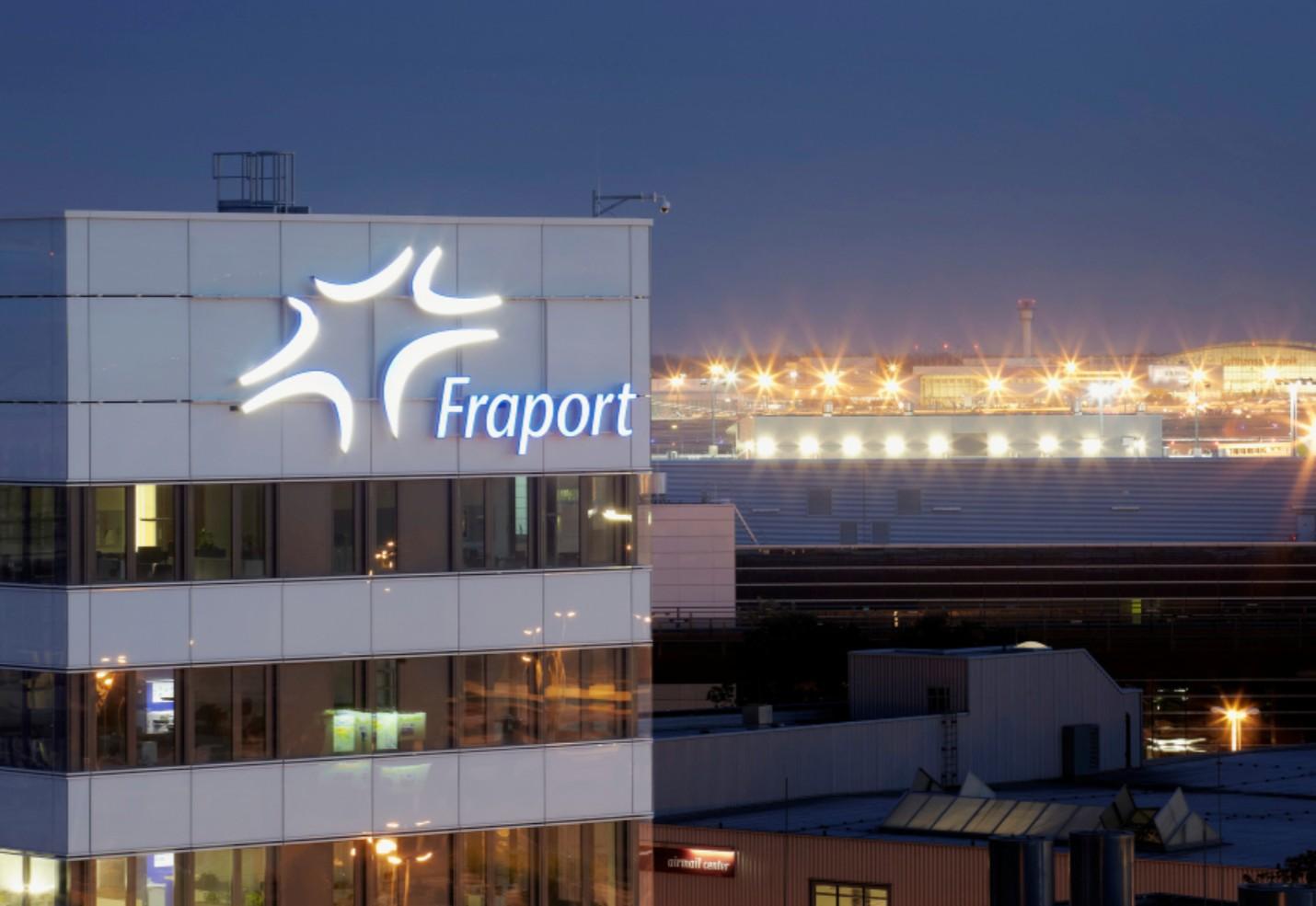
Frankfurt Airport (FRA), a key hub for Fraport, saw a 4.8 million passenger count in November 2025, marking a 4% increase. This growth is attributed to strong leisure demand to Italy, Greece, and Spain, as well as business links to Switzerland, Austria, and France. The surge highlights Frankfurt’s pivotal role in Europe tourism recovery, promising heightened visitor flows to Mediterranean and Alpine destinations, thereby boosting economic vitality across the continent.
Key Points:
- Frankfurt Airport welcomed 4.8 million passengers in November 2025, a 4% increase.
- The growth is driven by strong leisure demand to Italy, Greece, and Spain, and business links to Switzerland, Austria, and France.
- This surge underscores Frankfurt’s critical role in Europe tourism recovery, potentially increasing visitor flows to Mediterranean and Alpine destinations.
Actionable Takeaways:
- Increased Visitor Flows to Mediterranean and Alpine Destinations: The rise in passengers to Frankfurt Airport suggests a potential uptick in tourism to popular Mediterranean and Alpine destinations. Travel agencies and tourism boards should prepare for increased bookings and consider marketing campaigns to capitalize on this trend. This could lead to economic benefits for local businesses in these regions, including hotels, restaurants, and tour operators.
- Opportunities for Travel Tech Innovations: The surge in passenger numbers at Frankfurt Airport highlights the importance of efficient travel technology solutions. Travel tech companies could focus on developing advanced booking systems, seamless airport experiences, and integrated travel solutions to meet the growing demand. This could include innovations in digital check-in processes, real-time flight tracking, and personalized travel recommendations, enhancing the overall travel experience and potentially attracting more passengers to Frankfurt Airport.
Contextual Insights:
The article reflects the ongoing recovery of Europe tourism, post-pandemic, with Frankfurt Airport playing a central role. The increase in passenger numbers, driven by leisure travelers to popular destinations and business travelers to key European hubs, underscores the resilience and growth potential of the European tourism sector. This context is crucial for understanding the broader implications of the data, such as the potential for increased economic activity in regions reliant on tourism. Furthermore, the article aligns with current industry trends emphasizing the importance of connectivity hubs like Frankfurt Airport in facilitating global travel and trade. As the travel industry continues to adapt to post-pandemic realities, the role of major airports in driving tourism recovery and economic growth remains a key focus.
Read the Complete Article.



