












Comprehensive Summarization:
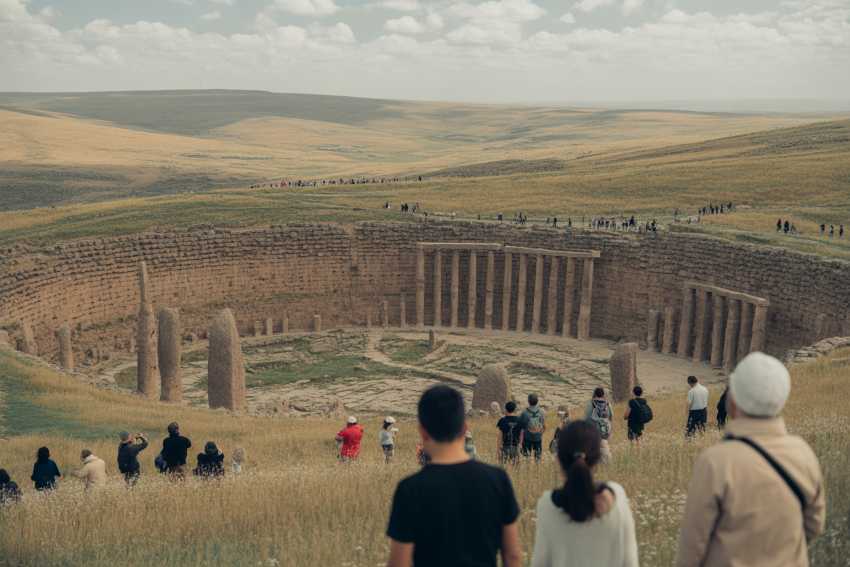
Göbeklitepe, an ancient archaeological site in southeastern Turkey dating back 12,000 years and recognized as a UNESCO World Heritage site, is attracting a surge of Chinese tourists. This increase is largely attributed to strategic government initiatives, including the introduction of a visa exemption for Chinese citizens. The site, often referred to as the “zero point of history,” is rapidly becoming a must-see destination for cultural tourism enthusiasts worldwide. Local authorities are actively working to capitalize on this growing interest from the East Asian travel market, positioning Göbeklitepe as a key player in the global tourism landscape.
Key Points:
- Göbeklitepe, a 12,000-year-old archaeological site in Turkey, is experiencing a significant rise in Chinese tourist visits.
- The surge in Chinese tourists is driven by government initiatives, notably the visa exemption for Chinese citizens.
- Göbeklitepe is being promoted as a must-see destination for cultural tourism, appealing to global interest in ancient history and heritage sites.
- Local authorities are actively working to leverage this growing interest from the East Asian market to boost tourism in the region.
Actionable Takeaways:
-
Enhanced Marketing Strategies for Cultural Tourism: With the influx of Chinese tourists, there is an opportunity for Göbeklitepe and similar archaeological sites to develop targeted marketing strategies that highlight their unique historical significance. This could involve partnerships with Chinese travel agencies, cultural exchange programs, and promotional campaigns that emphasize the site’s role as a “zero point of history.”
-
Leveraging Visa Exemption Policies: The visa exemption for Chinese citizens presents a strategic advantage for Göbeklitepe and other Turkish tourism sites. Travel companies and tourism boards should explore ways to further streamline visa processes for Chinese tourists, potentially through digital platforms or partnerships with Chinese travel agencies. This could significantly boost tourist numbers and contribute to the local economy.
-
Investment in Tourism Infrastructure: To accommodate the growing number of Chinese tourists, there is a need for investment in tourism infrastructure, including improved transportation links, accommodation options, and cultural guides. This will not only enhance the visitor experience but also ensure that the site can handle increased tourist traffic without compromising its historical integrity.
Contextual Understanding:
The article reflects the ongoing global trend of cultural tourism, where ancient historical sites are becoming increasingly popular among international travelers. The strategic initiatives by Turkish authorities to attract Chinese tourists underscore the importance of diplomatic and economic cooperation in the travel industry. This trend is further supported by the broader context of globalization, where cultural exchange and heritage preservation are valued across borders. The rise of digital platforms and travel technology has also played a crucial role in facilitating this increase in tourism, allowing for easier access to information and booking services.
In terms of industry trends, the focus on heritage tourism aligns with the growing interest in experiential travel, where travelers seek authentic and meaningful experiences. This shift is supported by thought leaders in the travel industry who emphasize the importance of preserving cultural heritage while promoting sustainable tourism practices. The article’s emphasis on strategic government initiatives and the role of visa policies also highlights the intersection of travel policy and market demand, a key consideration for industry stakeholders aiming to capitalize on emerging opportunities.
Read the Complete Article.



