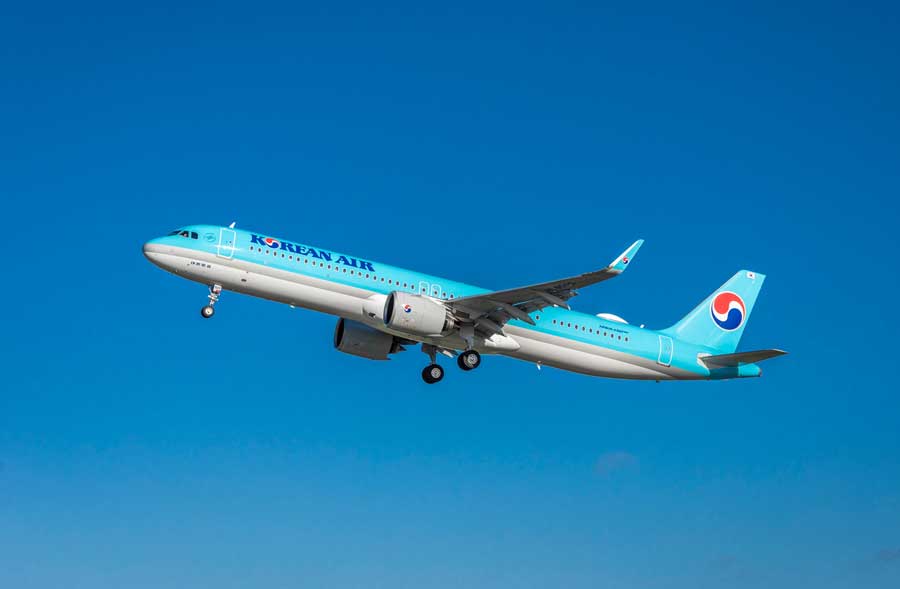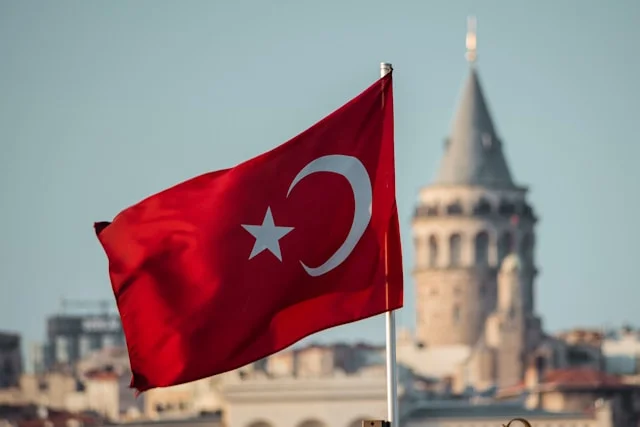
Uzbekistan increases travel to Türkiye by 17.7% in 2026
THE NEWS: Uzbekistan's National Statistics Committee reported that 166,893 Uzbek citizens visited Türkiye between January and July 2026, a rise of...
Read moreDetailsEvery alert that matters — when it happens.
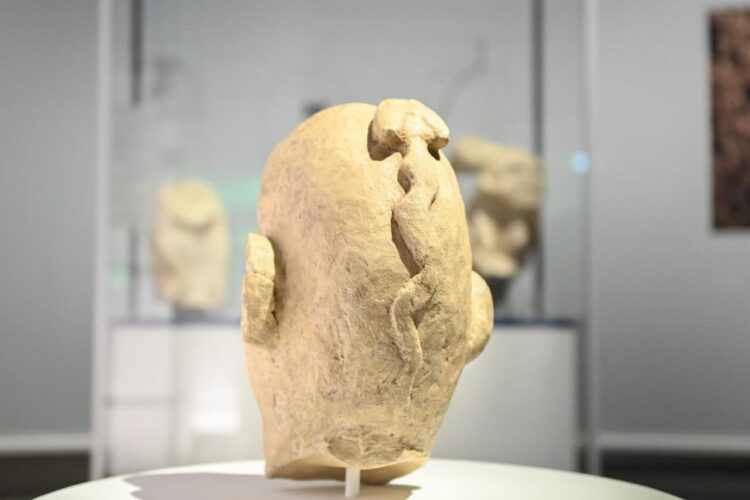
World’s oldest ritual complex goes on tour: Berlin hosts Gobeklitepe
Comprehensive Summarization:
The article highlights the opening of a major exhibition titled “Building Community: Gobeklitepe, Tas Tepeler and Life 12,000 Years Ago” in Berlin, Germany. This exhibition brings original artifacts from Türkiye to one of Europe’s most iconic museum landscapes, showcasing the world’s oldest ritual area. Gobeklitepe, located in Sanliurfa, Türkiye, is being spotlighted in Berlin, drawing attention to its historical significance as a prehistoric site that predates the Colosseum. The exhibition aims to tell the story of humanity’s first communities, offering a unique glimpse into early human civilization. This event follows the success of a similar Gobeklitepe show in Rome, indicating a growing global interest in ancient archaeological sites and their cultural impact.
Key Points:
Actionable Takeaways:
Cultural Tourism Growth: The opening of the Gobeklitepe exhibition in Berlin underscores the growing trend of cultural tourism, where historical and archaeological sites attract global attention. Travel companies and museums should consider developing similar exhibitions to capitalize on this trend, potentially increasing visitor numbers and revenue.
Collaboration Between Countries: The exhibition exemplifies successful international collaboration between Türkiye and Germany. Travel and cultural organizations can explore similar partnerships to enhance cross-border cultural exchanges, fostering mutual economic benefits and global cultural appreciation.
Technological Integration in Exhibitions: The use of original artifacts in a major European museum highlights the importance of integrating advanced technologies in cultural exhibitions. Museums and cultural institutions can leverage digital technologies, such as augmented reality (AR) and virtual reality (VR), to enhance visitor experiences and engagement, making historical sites more accessible and interactive.
Contextual Insights:
The article reflects current trends in cultural tourism and the increasing global interest in ancient archaeological sites. As travel becomes more accessible, there is a rising demand for immersive and educational experiences that connect visitors with historical narratives. The success of the Gobeklitepe exhibition in Berlin suggests that such exhibitions can draw significant crowds, thereby boosting local economies through increased tourism. Furthermore, the collaboration between Türkiye and Germany demonstrates the potential for international partnerships in cultural and historical preservation, which can lead to shared resources, expertise, and funding opportunities. Looking ahead, the travel industry should focus on developing more such collaborations and leveraging technology to enhance visitor experiences, ensuring that historical sites remain relevant and engaging for future generations.
Read the Complete Article.
THE NEWS: Uzbekistan's National Statistics Committee reported that 166,893 Uzbek citizens visited Türkiye between January and July 2026, a rise of...
Read moreDetails

Experience the magic of the Nile aboard Kenzy Dahabeya, a luxury boutique sailing cruise that offers an unforgettable journey between...
Read moreDetails