









Sail Through Time: Discover the Timeless Wonders of Upper Egypt Aboard Kenzy Dahabeya
Experience the magic of the Nile aboard Kenzy Dahabeya, a luxury boutique sailing cruise that offers an unforgettable journey between...
Read moreDetails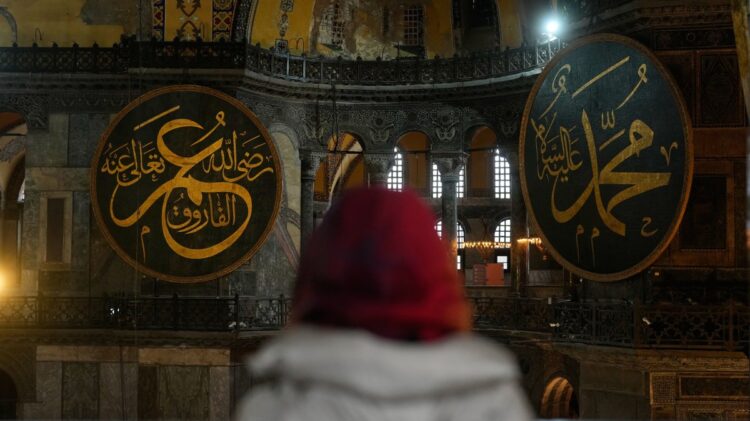
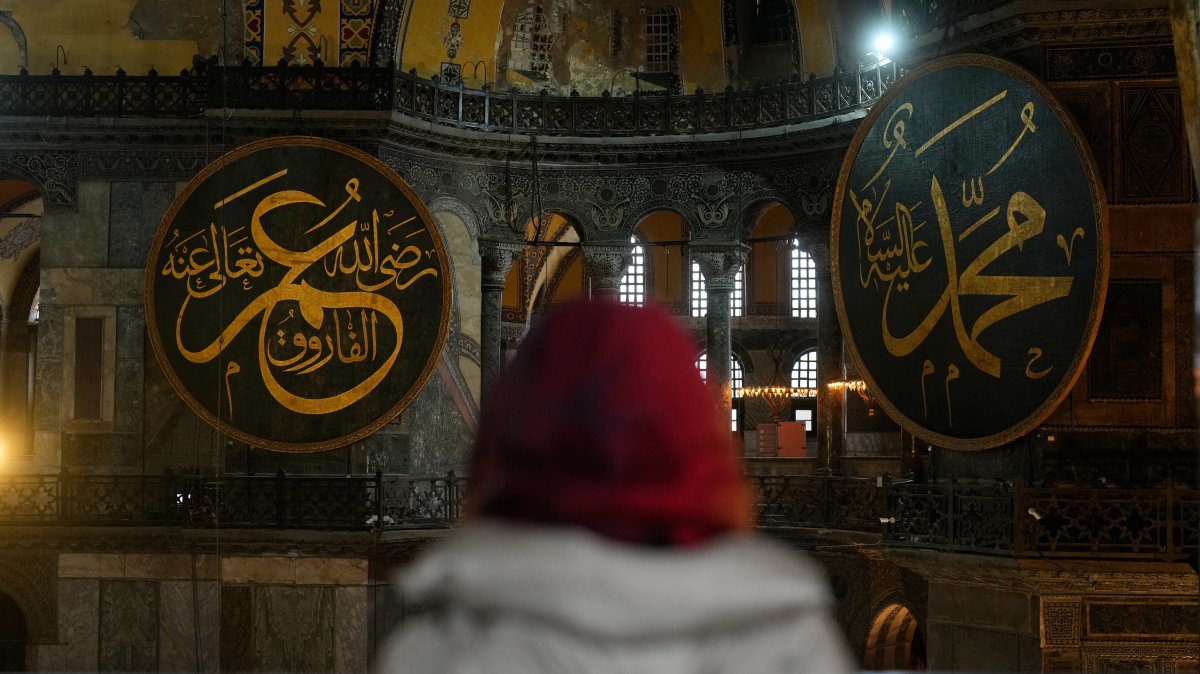
One of the two suspects is seen unfurling a "Byzantine flag" at Hagia Sophia in this screengrab from a social media video, Istanbul, Türkiye, April 9, 2026. (DHA Photo)
Comprehensive Summarization:
On April 9, Istanbul police arrested two Greek tourists who were found unfurling a “Byzantine flag” inside the Hagia Sophia Grand Mosque. The mosque, which was converted from a Byzantine cathedral after Istanbul’s Ottoman conquest in 1453, was the site of the incident. The tourists, identified as Mazis Michael, 35, and Kostantina Mazi, 42, were part of a group of fellow tourists. Security guards noticed the tourists with the flag and alerted the police. The incident highlights the ongoing sensitivity around religious sites and the importance of respecting cultural and historical landmarks in the travel industry.
Key Points:
Actionable Takeaways:
Cultural Sensitivity Training for Travel Agencies: Travel agencies should implement cultural sensitivity training for their staff to ensure that tourists are aware of and respect the rules and traditions of the places they visit. This can help prevent similar incidents in the future and enhance the overall travel experience for all visitors.
Enhanced Security Measures at Religious Sites: Given the incident, there may be a need for enhanced security measures at religious sites globally. This could include increased surveillance, stricter entry protocols, or educational briefings for tourists about the importance of respecting such sites.
Contextual Insights:
The incident at the Hagia Sophia highlights the delicate balance between tourism and cultural preservation. As travel continues to recover post-pandemic, there is an increasing focus on responsible tourism practices. The incident underscores the importance of educating tourists about the historical and cultural significance of sites like the Hagia Sophia. This aligns with current industry trends emphasizing sustainable and responsible travel, where the preservation of cultural heritage is a key component. Furthermore, the event could prompt travel companies to invest more in security technologies and staff training to ensure the safety and respect for cultural sites, reflecting a broader industry shift towards more conscientious travel practices.
Read the Complete Article.
Experience the magic of the Nile aboard Kenzy Dahabeya, a luxury boutique sailing cruise that offers an unforgettable journey between...
Read moreDetails



