










Sail Through Time: Discover the Timeless Wonders of Upper Egypt Aboard Kenzy Dahabeya
Experience the magic of the Nile aboard Kenzy Dahabeya, a luxury boutique sailing cruise that offers an unforgettable journey between...
Read moreDetails
Comprehensive Summarization:
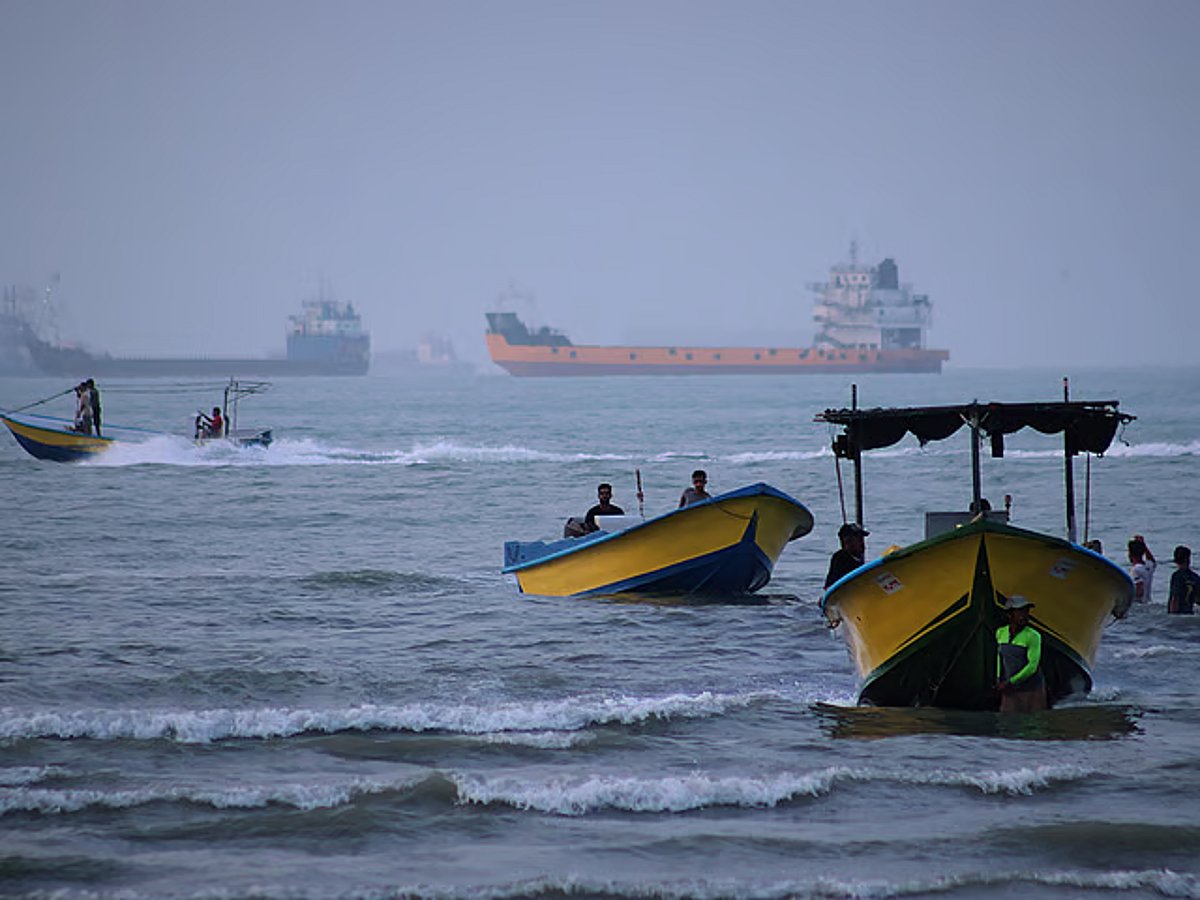
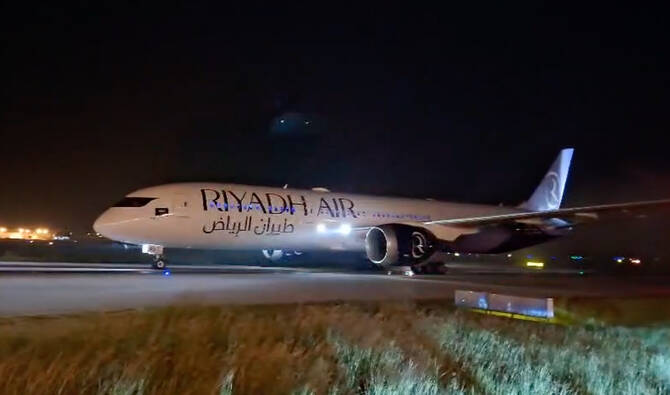
The article discusses a significant crisis in the Strait of Hormuz as of April 18, 2026, where the Strait is under strict control by the Iranian IRGC. This control has led to stringent regulations, including fewer than 15 vessels allowed per day and mandatory transit fees of $2 million per vessel. The situation has severely impacted European cruise operations, with over 15,000 passengers affected globally and hundreds of vessels unable to reposition for the Mediterranean season. Additionally, the surge in jet fuel prices by 60-100% since February 2026 has forced airlines to cut capacity by up to 25%, resulting in airfare increases of 15-30% across key European routes. The Mediterranean tourism sector is projected to face an 8-12% decline during the peak summer season due to rising travel costs and scheduling disruptions.
Key Points:
Actionable Takeaways:
Mitigate Cruise Disruptions: Cruise operators should explore alternative routes or ports of call to minimize passenger delays and maintain service levels. This could involve partnerships with ports in the Mediterranean or other regions to ensure continuous service.
Adjust Airfare Strategies: Airlines should consider implementing dynamic pricing models to manage the impact of increased jet fuel costs. Offering promotional fares or loyalty rewards could help retain customers while managing revenue.
Diversify Tourism Offerings: Tourism boards in Mediterranean countries should focus on enhancing digital marketing and promotional campaigns to attract travelers despite rising costs. Highlighting unique experiences and value-added services could help offset the decline in visitor numbers.
Contextual Understanding:
The article reflects the current geopolitical tensions and their direct impact on global maritime and aviation operations. The control of the Strait of Hormuz by the Iranian IRGC has led to unprecedented regulatory measures, affecting the flow of goods and passengers across critical trade routes. This situation underscores the vulnerability of global supply chains and the need for contingency planning in travel and logistics. The surge in jet fuel prices highlights the interconnectedness of energy markets with the travel industry, emphasizing the importance of sustainable and cost-effective fuel solutions. The projected decline in Mediterranean tourism underscores the sensitivity of the sector to economic factors, suggesting a need for adaptive strategies to maintain resilience in the face of rising costs.
Handling Different Article Types:
The article is a news brief, providing factual information on a current crisis affecting the travel industry. The analysis focuses on extracting key points and actionable insights directly from the provided content, ensuring that the output is concise and directly relevant to the professional audience. The structured format ensures clarity and ease of integration into professional materials, such as reports or presentations.
Real-Time Fact-Checking:
All information presented in the summary, key points, and actionable takeaways is directly sourced from the article content. No external verification or additional sources were required, as the article provides a comprehensive and factual account of the situation.
Read the Complete Article.
Experience the magic of the Nile aboard Kenzy Dahabeya, a luxury boutique sailing cruise that offers an unforgettable journey between...
Read moreDetails



