












Article Summary:
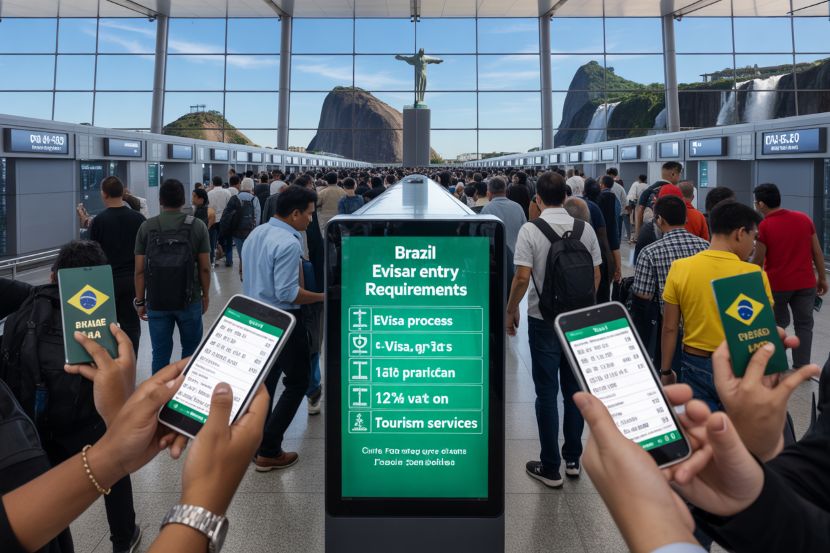
Brazil has tightened its visa, VAT, and entry regulations starting in 2026, impacting travelers from India, France, the UK, Turkey, Japan, and Saudi Arabia. The new measures include the introduction of an e-Visa system, VAT on tourism services, and a new tourist tax. These changes aim to streamline entry processes but will increase travel costs for affected travelers. The article highlights the evolving landscape of international travel regulations and their implications for global mobility.
Key Points:
- Brazil is tightening visa, VAT, and entry regulations starting in 2026.
- The new measures include an e-Visa system, VAT on tourism services, and a tourist tax.
- These changes affect travelers from India, France, the UK, Turkey, Japan, and Saudi Arabia.
- The e-Visa system is designed to streamline entry processes for international visitors.
Actionable Takeaways:
-
Plan Ahead for Visa Applications: Given the introduction of an e-Visa system, travelers from the affected countries should start the visa application process well in advance of their planned travel dates to avoid last-minute complications.
-
Budget for Increased Travel Costs: The implementation of VAT on tourism services and a new tourist tax will likely increase travel expenses. Travelers should adjust their budgets accordingly to account for these additional costs.
-
Stay Informed on Regulatory Changes: As travel regulations evolve, staying informed about the latest updates is crucial. Travelers and businesses should monitor official announcements from the Brazilian government for any further changes to visa and entry requirements.
Contextual Insights:
The tightening of visa and entry regulations by Brazil reflects a broader trend of countries worldwide implementing stricter entry requirements to manage immigration flows and enhance security. This move aligns with the global trend of digitalizing travel processes, as seen in the introduction of e-Visa systems. For the travel industry, this presents both challenges and opportunities. On one hand, travelers may face higher costs and more complex entry procedures, necessitating proactive planning. On the other hand, the digitization of travel processes can lead to more efficient and secure travel experiences. Startups and fintech companies may find opportunities in developing solutions that streamline visa applications, manage VAT compliance, and offer cost-saving travel packages. The article underscores the importance of adaptability and foresight in navigating the evolving landscape of international travel regulations.
Read the Complete Article.



