












Comprehensive Summarization:
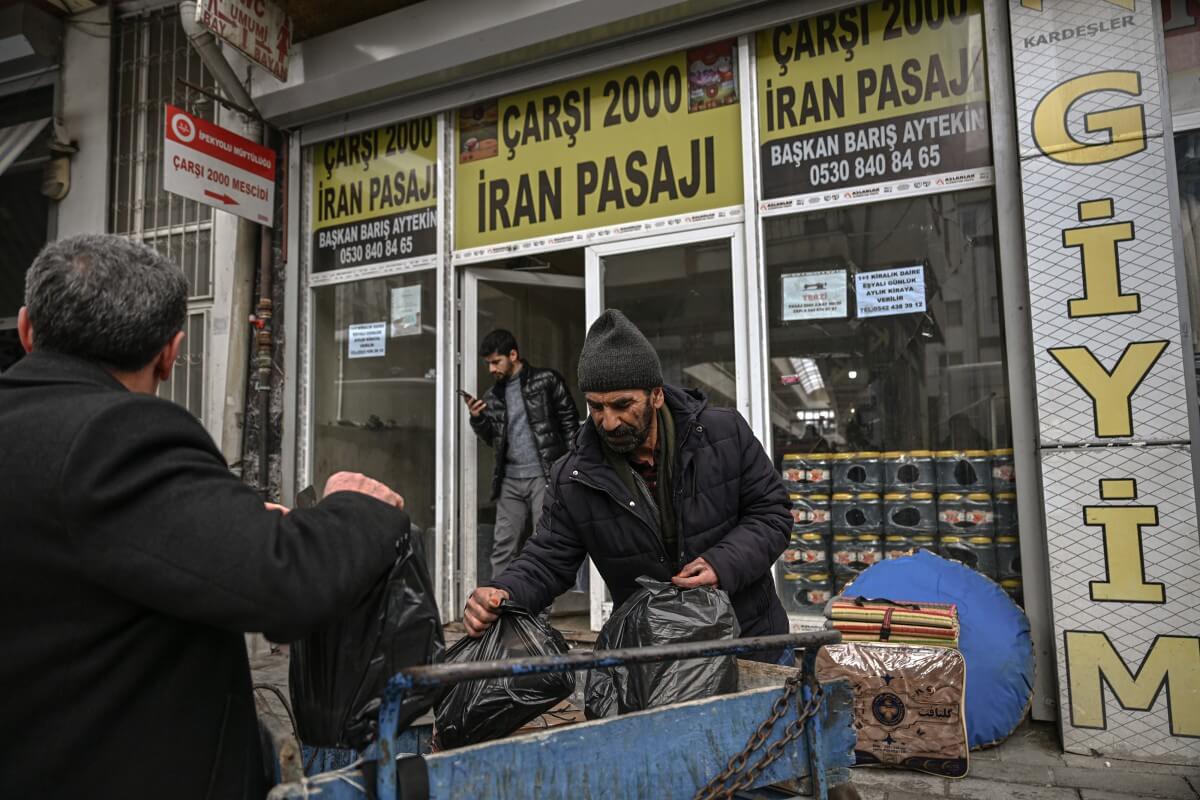
The article discusses the challenges faced by Fevzi Çeliktaş, the vice president of the chamber of commerce in Van, eastern Turkey, in boosting the local economy. The primary issue is the proximity of his region to Iraq, Syria, and Iran, which are considered some of the most feared countries globally. This proximity complicates development efforts due to the ongoing instability and repression in these neighboring countries. Despite this, Çeliktaş shows empathy towards Iranians who have fled to Turkey following the repression of protests in January. The economic collapse and currency devaluation in Iran, which triggered the protests, are having a significant impact on Van province. Turkey shares a 550-kilometer border with Iran, with 300 kilometers directly affecting Van province. The article also touches on the broader travel industry trends and insights from thought leaders, highlighting the importance of understanding regional dynamics in the context of travel and economic development.
Key Points:
- Fevzi Çeliktaş, the vice president of the chamber of commerce in Van, Turkey, faces challenges in boosting the local economy due to the proximity of his region to Iraq, Syria, and Iran.
- The instability and repression in Iraq, Syria, and Iran complicate development efforts in Van province.
- The economic collapse and currency devaluation in Iran, sparked by protests in January, are acutely felt in Van province, impacting the local economy.
- Turkey shares a 550-kilometer border with Iran, with 300 kilometers directly affecting Van province.
- The article highlights the importance of understanding regional dynamics in the context of travel and economic development.
Actionable Takeaways:
-
Strengthen Regional Diplomatic Relations: Given the proximity to countries with ongoing instability, Turkey should focus on strengthening diplomatic relations and cooperation with Iraq, Syria, and Iran. This could involve joint economic initiatives, security collaborations, and cultural exchange programs to foster stability and boost tourism in Van province.
-
Invest in Infrastructure and Economic Diversification: To mitigate the impact of the economic collapse in Iran, Turkey should invest in infrastructure projects and diversify the economy of Van province. This could include developing alternative trade routes, promoting local industries, and attracting foreign investment to create jobs and stimulate economic growth.
-
Leverage Travel Trends and Insights: Travel startups and fintech companies should leverage the latest travel trends and insights to develop innovative solutions that cater to the unique needs of travelers in regions with geopolitical challenges. This could involve creating secure payment solutions, offering travel insurance tailored to high-risk areas, and developing digital platforms that provide real-time updates on safety and security conditions.
Contextual Understanding:
The article is set against the backdrop of regional instability and economic challenges, which are critical factors in the travel and economic development landscape of Van province. The proximity to countries like Iraq, Syria, and Iran, known for their geopolitical tensions, poses significant risks to tourism and economic activities. Understanding these dynamics is crucial for stakeholders in the travel industry, as it directly impacts travel safety, investment decisions, and economic opportunities. The article also underscores the importance of leveraging travel trends and insights to develop innovative solutions that address the unique challenges posed by the region’s geopolitical landscape. By integrating these insights, the travel industry can better navigate the complexities of operating in regions with high geopolitical risk, ensuring safety, security, and economic viability for both businesses and travelers.
Handling Different Article Types:
The article provided is a news brief, offering factual information about the challenges faced by Van province due to its geopolitical proximity. The analysis and insights generated are based on this factual context, ensuring that the output remains relevant and applicable to a professional audience in the travel industry. The structured output format ensures clarity and ease of integration into reports or presentations, facilitating informed decision-making based on the article’s content.
Read the Complete Article.



