










Sail Through Time: Discover the Timeless Wonders of Upper Egypt Aboard Kenzy Dahabeya
Experience the magic of the Nile aboard Kenzy Dahabeya, a luxury boutique sailing cruise that offers an unforgettable journey between...
Read moreDetails
Comprehensive Summarization:
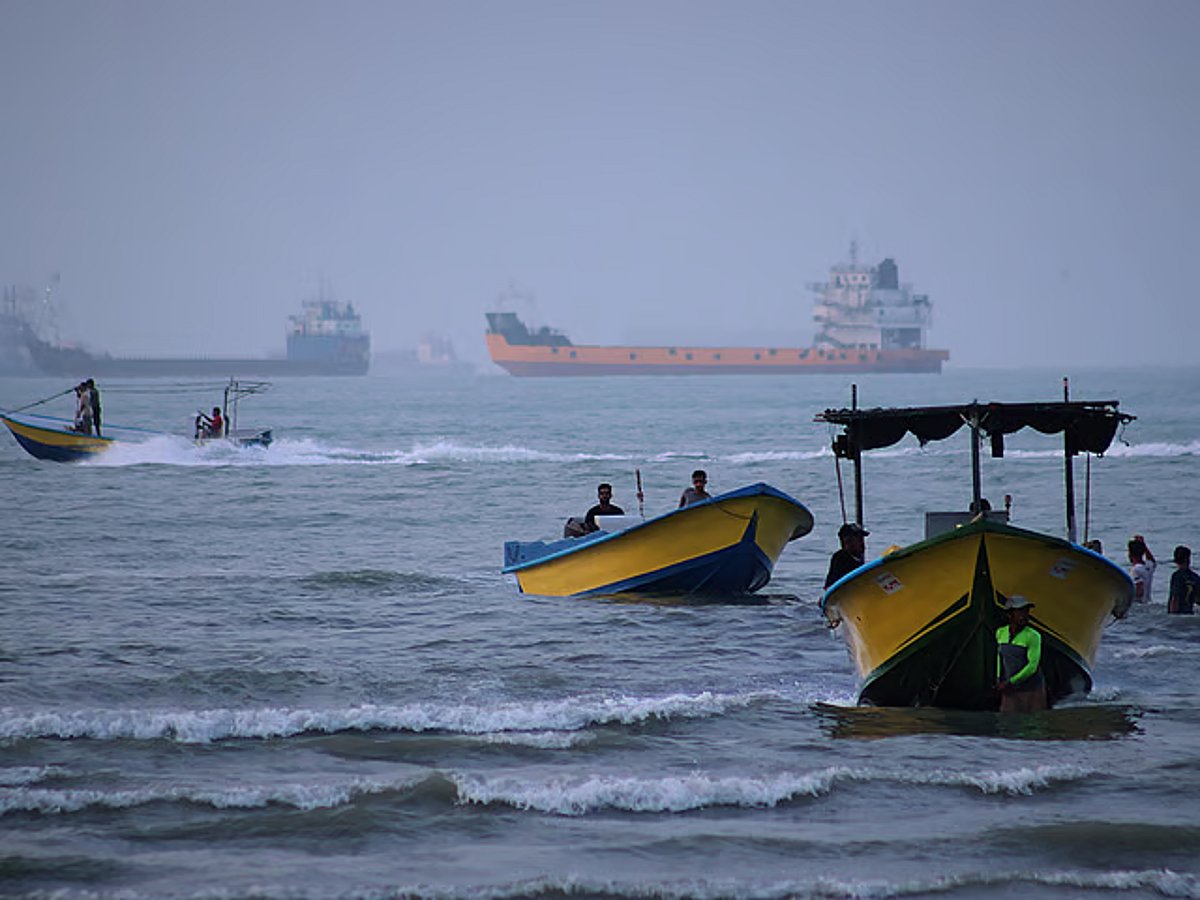
The article reports that Israel has joined a coalition of countries, including the US, UK, Germany, Turkey, Saudi Arabia, Qatar, Canada, Oman, Jordan, Kuwait, and Bahrain, in response to Iran re-closing the Strait of Hormuz. This move has significantly impacted global oil markets, leading to a potential oil crisis and disrupting travel and tourism in the Middle East, Asia, Europe, and America. The article also touches on the latest travel trends and insights from industry thought leaders, highlighting the evolving landscape of travel and tourism in the wake of geopolitical tensions and their economic implications.
Key Points:
Actionable Takeaways:
Monitor Oil Market Fluctuations: Given the impact of the Strait of Hormuz closure on global oil markets, travel companies should closely monitor oil price fluctuations. Rising oil prices can lead to increased travel costs, affecting consumer behavior and travel planning. Proactive cost management strategies, such as hedging against oil price volatility, can help mitigate financial risks.
Diversify Travel Itineraries: The geopolitical tensions and resulting travel disruptions highlight the need for travel companies to diversify itineraries. By offering alternative routes or destinations less affected by geopolitical tensions, travel providers can help mitigate the impact of travel disruptions on their clients. This strategy can also open up new market opportunities in regions previously overlooked.
Invest in Travel Tech Solutions: The article underscores the importance of staying abreast of travel trends and insights from thought leaders. Investing in advanced travel technology solutions, such as AI-driven itinerary planning, real-time travel alerts, and dynamic pricing models, can enhance operational efficiency and customer satisfaction. These technologies can also help travel companies adapt quickly to changing market conditions and consumer preferences.
Contextual Insights:
The closure of the Strait of Hormuz by Iran has significant geopolitical and economic implications, particularly for the travel and tourism industry. This event underscores the interconnectedness of global markets and the potential for geopolitical events to cause widespread economic disruptions. For the travel industry, this means heightened sensitivity to geopolitical developments and the need for robust risk management strategies. The article also reflects the growing emphasis on travel tech and innovation, as companies seek to navigate uncertainties and enhance customer experiences. Thought leaders emphasize the importance of agility and adaptability in the face of such challenges, suggesting that travel companies that invest in technology and stay informed about global trends will be better positioned to thrive in this volatile environment.
Read the Complete Article.
Experience the magic of the Nile aboard Kenzy Dahabeya, a luxury boutique sailing cruise that offers an unforgettable journey between...
Read moreDetails



