












Comprehensive Summarization:
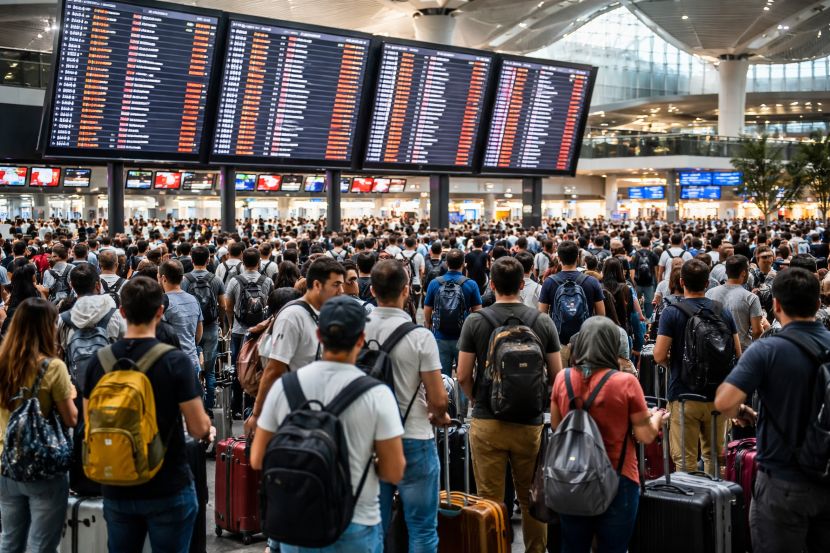
The article reports widespread travel disruptions at Istanbul’s main airports, Istanbul and Sabiha Gokcen, due to 342 flight delays and 3 cancellations affecting passengers from Turkish Airlines, Pegasus, and other airlines. The disruptions occurred on February 20, 2026, impacting both international and domestic flights, which are crucial for Turkey’s tourism and travel industry. The chaos at Istanbul airport, with 233 delays and 1 cancellation, and Sabiha Gokcen airport, with 109 delays and 2 cancellations, highlights significant operational challenges for travelers and airlines alike. The article underscores the critical role these airports play in Turkey’s travel ecosystem and the broader implications for international travel and tourism.
Key Points:
- Istanbul and Sabiha Gokcen airports experienced 342 flight delays and 3 cancellations on February 20, 2026.
- The disruptions affected passengers from Turkish Airlines, Pegasus, and other airlines operating in Ankara, Izmir, and Antalya.
- The delays and cancellations have a substantial impact on the flow of international travel, tourism, and flights, given the airports’ pivotal role in Turkey’s travel sector.
Actionable Takeaways:
-
Enhanced Operational Resilience: Airlines and airports should invest in advanced flight tracking and real-time communication systems to mitigate the impact of delays and cancellations. This could involve integrating AI-driven predictive analytics to anticipate and manage potential disruptions more effectively.
-
Strengthened Passenger Support Services: Implementing robust passenger support services, including real-time updates, alternative flight options, and compensation for inconveniences, can help maintain passenger trust and satisfaction during disruptions. This aligns with current industry trends focusing on customer-centric travel experiences.
-
Collaborative Industry Initiatives: Encouraging collaboration between airlines, airports, and travel tech companies to develop standardized protocols for handling disruptions can improve efficiency and reduce the ripple effects of flight delays and cancellations across the travel ecosystem.
Contextual Insights:
The disruptions at Istanbul’s airports highlight the vulnerabilities in the global travel infrastructure, particularly in regions with high tourist traffic. The article reflects broader industry trends where technological advancements and operational efficiencies are crucial for maintaining seamless travel experiences. As the travel industry continues to recover from pandemic-related challenges, innovations in travel tech, such as AI-driven solutions for real-time flight tracking and passenger communication, are becoming increasingly vital. These insights underscore the importance of leveraging technology to enhance resilience and adaptability in the face of unforeseen disruptions, ensuring that the travel industry can continue to meet the demands of a globalized world.
Read the Complete Article.



