












Article Summary:
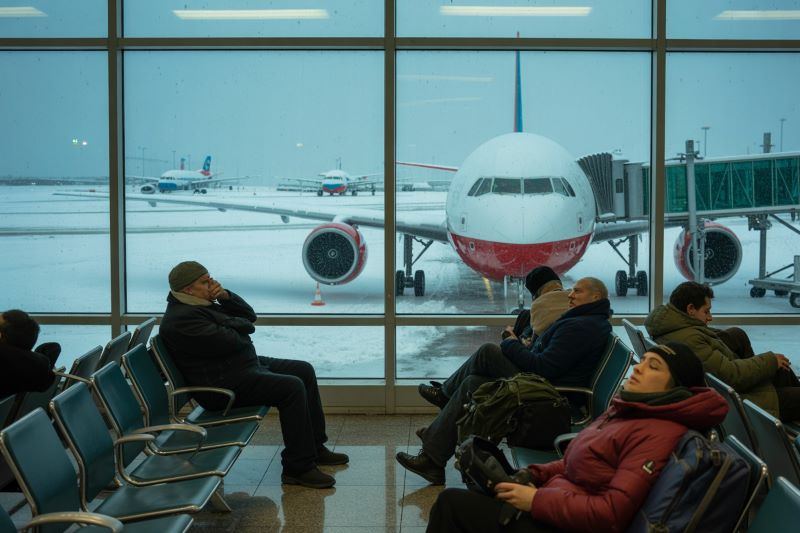
On January 13, 2026, Istanbul faced a significant travel disruption due to a powerful snowstorm that caused over 120 flight cancellations at Istanbul Airport and Sabiha Gökçen Airport. Major airlines such as Turkish Airlines, AJet, and Pegasus Airlines suspended numerous services, stranding tourists and threatening tourism plans in the city. The storm is forecast to continue, exacerbating the operational challenges for Istanbul’s airports, which are crucial hubs for tourism.
Key Points:
- Over 120 flights were canceled at Istanbul’s two main airports due to adverse weather conditions.
- Turkish Airlines canceled 54 flights, AJet suspended 24 services, and Pegasus Airlines also experienced cancellations.
- The snowstorm is forecast to continue, further impacting travel and tourism in Istanbul.
- The disruption highlights the vulnerability of air and ground transport systems to severe weather events in the travel industry.
Actionable Takeaways:
- Enhanced Weather Monitoring Systems: Implement advanced weather monitoring and predictive analytics systems to anticipate and mitigate the impact of severe weather events on air travel. This can help airlines and airports prepare contingency plans, reducing the frequency and severity of cancellations.
- Flexible Travel Policies: Develop flexible travel policies for customers affected by weather-related disruptions. Offering options such as rescheduling flights at no additional cost or providing travel vouchers can enhance customer satisfaction and loyalty during unforeseen disruptions.
- Investment in Resilient Infrastructure: Invest in resilient airport infrastructure capable of withstanding extreme weather conditions. This includes upgrading runways, improving snow removal capabilities, and ensuring ground transport links remain operational during adverse weather events.
Contextual Insights:
The snowstorm in Istanbul underscores the vulnerability of the travel industry to extreme weather events, a trend that is becoming increasingly common due to climate change. This incident highlights the need for the travel sector to adopt more resilient operational strategies, leveraging technology and innovative solutions to mitigate risks. The focus on weather monitoring and resilient infrastructure aligns with current industry trends towards enhancing operational efficiency and customer experience. Furthermore, the disruption emphasizes the importance of flexible travel policies in maintaining customer trust and satisfaction during unforeseen travel disruptions. As the travel industry continues to evolve, integrating these insights will be crucial for maintaining operational stability and ensuring a positive travel experience for customers.
Read the Complete Article.



