












Comprehensive Summarization:
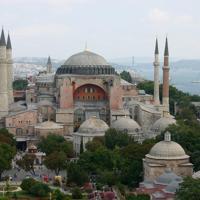
The article reports on the restoration of Istanbul’s iconic Hagia Sophia, a large-scale project that is progressing according to schedule. The restoration, led by scientific analysis and modern conservation principles, has uncovered long-hidden underground tunnels and structural layers beneath the monument. Culture and Tourism Minister Mehmet Nuri Ersoy emphasized that no intervention is undertaken without thorough scientific analysis and adherence to rigorous conservation standards. The project, which includes the nearby Blue Mosque, is being carried out with meticulous attention to detail, ensuring the preservation of the historical site while advancing its structural integrity.
Key Points:
- The restoration of Hagia Sophia is progressing on schedule, uncovering hidden tunnels and structural layers.
- The project adheres to modern conservation principles, with all interventions backed by exhaustive scientific analysis.
- Culture and Tourism Minister Mehmet Nuri Ersoy highlighted the rigorous requirements of the restoration process.
- Soil testing, load-bearing analysis, ground-penetrating radar scans, and vibration monitoring are among the techniques used in the restoration.
Actionable Takeaways:
-
Innovative Restoration Techniques: The use of advanced technologies such as ground-penetrating radar and vibration monitoring in the restoration of Hagia Sophia represents a significant advancement in historical site preservation. This approach not only ensures the structural integrity of the monument but also sets a precedent for the application of modern conservation principles in the travel and tourism industry. Travel companies and heritage sites can adopt similar methodologies to enhance the preservation of their historical assets, potentially increasing their appeal to tourists and stakeholders alike.
-
Commitment to Scientific Analysis: The emphasis on exhaustive scientific analysis and adherence to modern conservation standards underscores a growing industry trend towards evidence-based decision-making in heritage preservation. This commitment ensures the longevity and safety of historical sites, which is crucial for maintaining their cultural and economic value. Travel and tourism stakeholders should prioritize scientific analysis in their preservation projects to ensure sustainable and responsible management of cultural heritage.
Contextual Insights:
The restoration of Hagia Sophia reflects broader trends in the travel industry towards integrating cutting-edge technology and scientific methodologies in heritage preservation. As cultural tourism continues to grow, the demand for authentic and well-preserved historical sites is higher than ever. This article highlights the importance of balancing restoration efforts with technological innovation, ensuring that historical sites remain accessible and safe for future generations. Moreover, the project’s adherence to rigorous conservation standards sets a benchmark for other cultural heritage sites worldwide, emphasizing the need for similar standards in travel and tourism management. As the industry evolves, embracing such innovations will be key to sustaining the allure of historical destinations and enhancing the overall travel experience.
Read the Complete Article.



