












Article Summary:
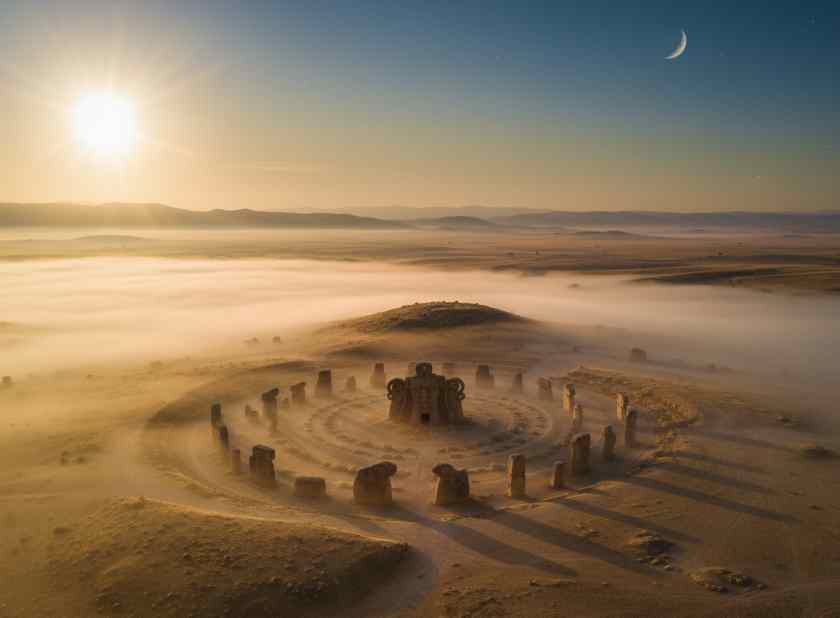
Karahantepe, a significant Neolithic settlement in southeastern Turkey, is set to open its doors to visitors with a newly revitalized appearance. The site, which dates back thousands of years, is undergoing transformation with the construction of a new visitor center, excavation house, sheltering roof, archaeological research facility, and more. This development aims to make the site more accessible to tourists, highlighting Turkey’s rich ancient history to a broader audience.
Key Points:
- Karahantepe is one of Turkey’s most significant Neolithic settlements, with a history dating back thousands of years.
- The site is undergoing revitalization efforts, including the construction of a new visitor center, excavation house, sheltering roof, and archaeological research facility.
- These developments are aimed at making the site more accessible to tourists, showcasing Turkey’s ancient history to a wider audience.
- The revitalization reflects Turkey’s broader efforts to promote its archaeological sites as tourist destinations.
Actionable Takeaways:
-
Tourism Promotion in Turkey: The revitalization of Karahantepe presents an opportunity for Turkey to further promote its rich archaeological heritage to international tourists. This could lead to increased tourism revenue and a boost in the country’s travel and tourism sector. (Relevance: Directly tied to the article’s focus on revitalizing a significant Neolithic site in Turkey.)
-
Investment in Archaeological Preservation: The construction of new facilities at Karahantepe indicates a growing trend of investment in archaeological preservation and tourism infrastructure. This could inspire other countries to invest in similar projects, enhancing global archaeological tourism. (Relevance: Highlights a broader industry trend of investing in archaeological sites for tourism, which could impact travel startups and fintech innovations in the travel sector.)
Contextual Insights:
The revitalization of Karahantepe aligns with current industry trends towards promoting archaeological and historical sites as tourist destinations. As more countries recognize the potential of their historical and cultural sites to attract tourists, there is a growing emphasis on improving infrastructure and visitor experiences. This trend is likely to influence travel startups and fintech innovations, as companies develop new technologies and payment solutions to support the growing demand for archaeological tourism. For instance, advancements in virtual reality and augmented reality could enhance the visitor experience, while mobile payment solutions could streamline transactions for tourists visiting these sites. The article underscores the importance of integrating modern technology with historical preservation to create a seamless and engaging tourist experience, reflecting the evolving landscape of the travel industry.
Read the Complete Article.



