












Comprehensive Summarization:
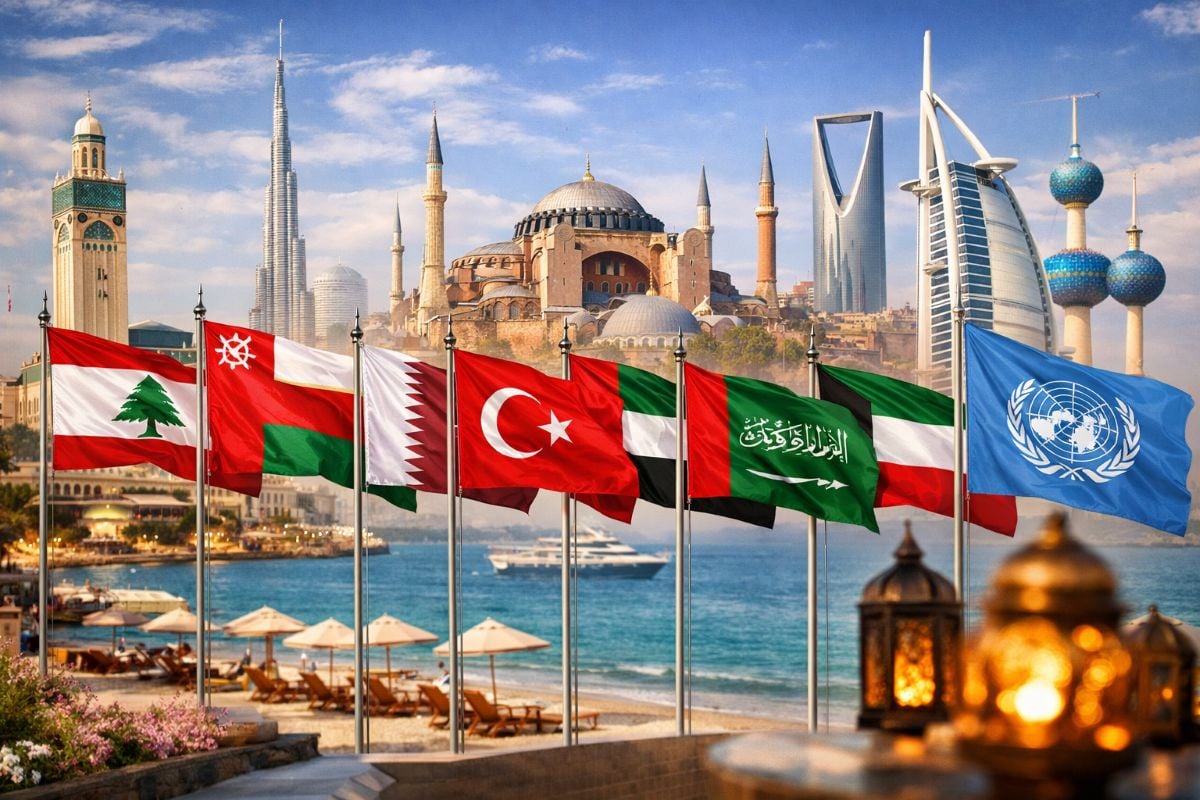
The article reports that a series of nations, including Lebanon, Oman, Qatar, Turkey, the UAE, Saudi Arabia, and Kuwait, are collectively seeking United Nations intervention to revive the market economy and restore order in the tourism sector ahead of Eid-ul-Fitr 2026. This call for international intervention comes amid an escalating conflict in West Asia that has triggered a profound economic crisis across the region. The conflict has led to severe disruptions in the aviation, hospitality, and tourism sectors, with industry estimates reporting daily losses of approximately $1 billion. The article underscores the urgent need for international cooperation to mitigate the economic fallout and stabilize the tourism market in the region.
Key Points:
- A coalition of nations, including Lebanon, Oman, Qatar, Turkey, the UAE, Saudi Arabia, and Kuwait, is seeking United Nations intervention to address the economic crisis in the tourism sector.
- The conflict in West Asia has led to severe disruptions in the aviation, hospitality, and tourism sectors, causing daily losses of approximately $1 billion.
- The tourism market in the region is facing a critical juncture, with the need for international cooperation to revive the market economy and restore order.
Actionable Takeaways:
-
International Cooperation is Essential: The article emphasizes the urgent need for international cooperation to address the economic crisis in the tourism sector. Nations must work together to stabilize the market and mitigate the economic fallout from the conflict. This cooperation could involve financial support, policy alignment, and collaborative marketing efforts to boost tourism.
-
Focus on Recovery Strategies: With daily losses estimated at $1 billion, there is a pressing need for targeted recovery strategies. This could include investment in digital marketing to attract tourists, enhancing safety measures in tourism hotspots, and leveraging technology to streamline operations and improve customer experiences.
Contextual Insights:
The article reflects the current state of the travel industry, particularly in the wake of geopolitical tensions and economic instability. The escalating conflict in West Asia has had a significant impact on the tourism sector, leading to widespread disruptions and economic losses. The call for United Nations intervention highlights the severity of the situation and the need for global solidarity in addressing the crisis. Looking ahead, the tourism industry must adapt to these challenges by embracing innovative solutions and fostering international collaboration. This includes leveraging technology for enhanced safety and customer experiences, as well as exploring new market opportunities to diversify revenue streams. The insights from this article underscore the importance of proactive measures to ensure the resilience and recovery of the tourism sector in the region.
Read the Complete Article.



