












Article Summary:
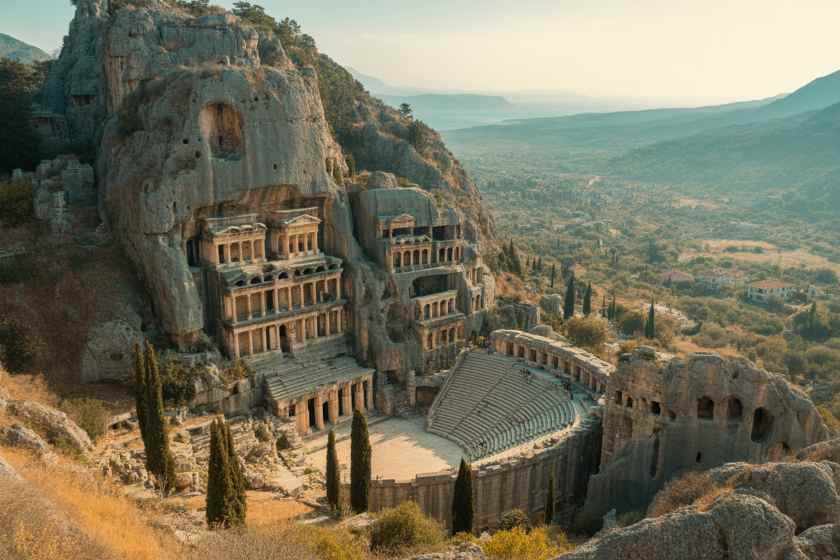
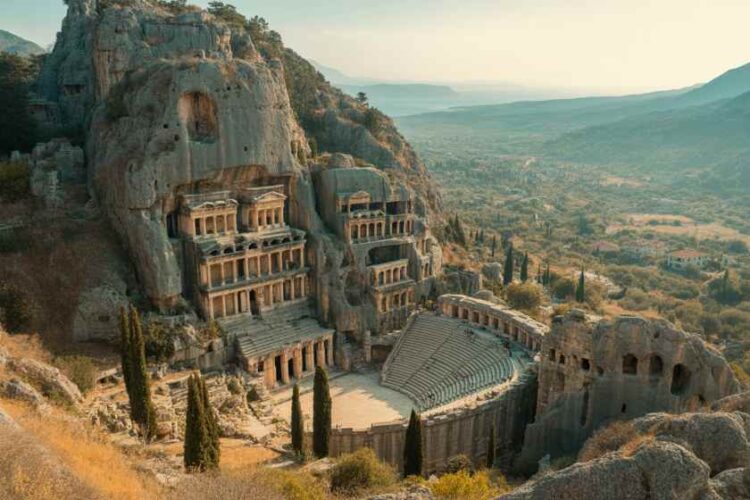
The ancient city of Myra, situated in the Demre district of Antalya, Turkey, is poised to attract significant attention in 2026 due to the planned restoration of its iconic Ancient Theater. This restoration is part of ongoing archaeological excavations and restoration efforts at both Myra and the nearby port city of Andriake. The project aims to enhance the preservation of the region’s rich historical and cultural heritage, potentially drawing more tourists to this historic part of Turkey’s Mediterranean coast and improving the visitor experience.
Key Points:
- Restoration of Ancient Theater: The article highlights the planned restoration of Myra’s Ancient Theater as a key development in the preservation of the region’s historical and cultural heritage.
- Ongoing Archaeological Efforts: The restoration is part of ongoing archaeological excavations and restoration efforts at both Myra and the nearby port city of Andriake.
- Tourist Attraction: The restoration is expected to draw more tourists to this historic part of Turkey’s Mediterranean coast, enhancing the visitor experience.
- Cultural Heritage Preservation: The project aims to enhance the preservation of the region’s rich historical and cultural heritage.
Actionable Takeaways:
- Tourism Boost: The restoration of Myra’s Ancient Theater is expected to significantly boost tourism in the region, enhancing the visitor experience and potentially increasing the economic impact of tourism in Antalya. This development aligns with current industry trends focusing on heritage tourism and cultural preservation.
- Cultural Heritage Investment: The focus on restoring Myra’s Ancient Theater reflects a broader trend in the travel industry towards investing in cultural heritage sites. This could inspire other regions to prioritize the restoration and promotion of their historical landmarks, potentially leading to increased tourism and economic benefits.
Contextual Insights:
The restoration of Myra’s Ancient Theater is situated within the broader context of global efforts to preserve cultural heritage sites. As the travel industry increasingly values experiences that offer cultural enrichment, such projects are likely to gain more attention and investment. The article also touches on the role of archaeological excavations in uncovering and preserving historical sites, which is a trend gaining momentum as travelers seek authentic and educational experiences. Furthermore, the potential increase in tourism due to this restoration aligns with the industry’s shift towards sustainable and responsible travel practices, emphasizing the importance of preserving cultural and natural heritage for future generations.
Read the Complete Article.



