












Comprehensive Summarization:
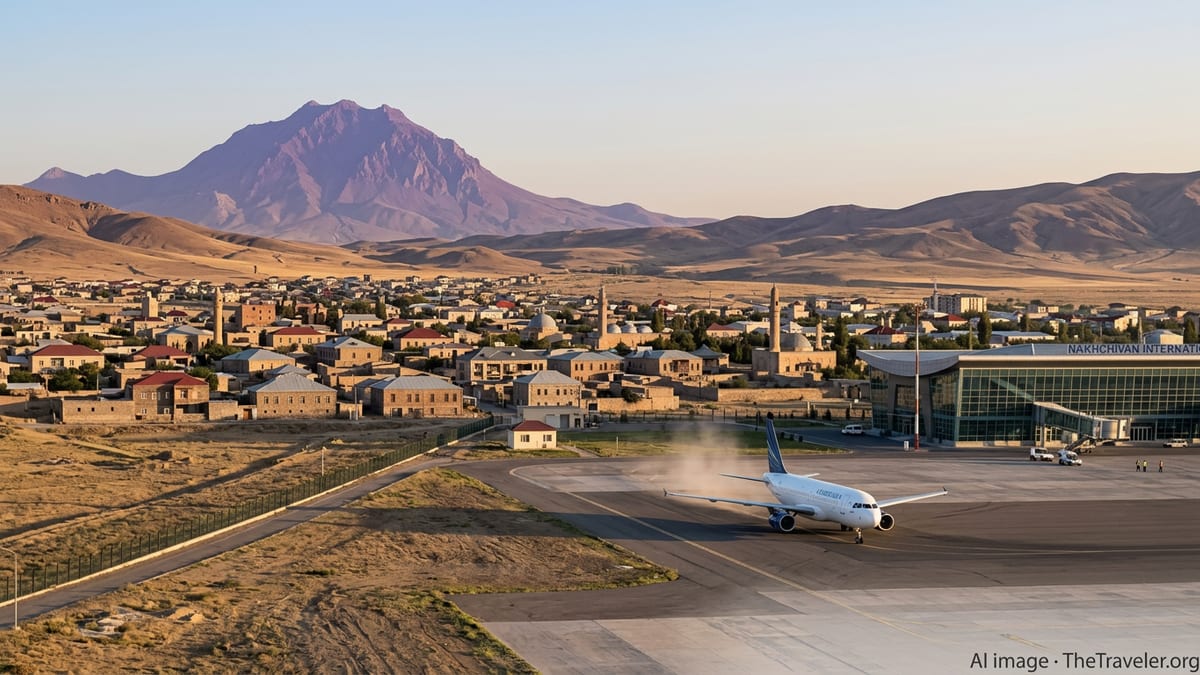
Azerbaijan’s Nakhchivan exclave is experiencing enhanced accessibility from Türkiye due to strategic adjustments by Azerbaijan Airlines (AZAL) and Turkey’s expansion of rail and air links. AZAL is refining its route strategy, focusing on its core operations in Baku while allowing Turkish carriers to take on a larger share of direct connectivity from Türkiye. This shift aims to consolidate traffic through Baku and align schedules with the evolving travel and trade dynamics in the South Caucasus region. The article highlights the importance of these developments in transforming regional connectivity and trade, positioning Nakhchivan as a more accessible destination for travelers and businesses alike.
Key Points:
- AZAL is adjusting its route strategy to prioritize Baku operations while increasing connectivity from Türkiye.
- Turkish carriers are stepping in to handle a growing share of direct flights to Nakhchivan.
- The expansion of rail and air links between Türkiye and Nakhchivan is expected to transform travel and trade in the South Caucasus.
- Industry officials emphasize the importance of consolidating traffic through Baku and aligning schedules to support this transformation.
Actionable Takeaways:
-
Enhanced Connectivity for Trade: The improved connectivity between Türkiye and Nakhchivan through AZAL’s route adjustments and Turkish carriers’ involvement is likely to boost trade and economic activities in the South Caucasus region. Businesses can leverage these new routes to access a broader market, potentially increasing exports and attracting foreign investment.
-
Strategic Focus on Baku: AZAL’s emphasis on consolidating traffic through Baku suggests a strategic shift towards strengthening the capital’s role as a regional hub. This focus could lead to increased investment in Baku’s infrastructure and services, further enhancing its appeal as a travel and trade destination.
-
Opportunities for Travel Startups: The expansion of air and rail links presents opportunities for travel startups to innovate in areas such as digital booking platforms, travel insurance, and last-mile delivery services. These startups can capitalize on the increased demand for seamless travel experiences in the region, potentially disrupting traditional travel models.
Contextual Insights:
The article reflects the ongoing trend of regional connectivity initiatives aimed at boosting economic integration and trade in the South Caucasus. With Türkiye’s strategic push to enhance its land connections with neighboring countries, the region is witnessing a wave of improvements in transportation infrastructure. This aligns with broader travel industry trends focusing on accessibility and seamless travel experiences. The integration of new rail and air links is a testament to the region’s evolving travel tech landscape, where technological advancements are facilitating more efficient and cost-effective travel options. For thought leaders and industry stakeholders, these developments underscore the importance of staying agile and investing in infrastructure to remain competitive in a rapidly changing global travel market.
Read the Complete Article.



