










Sail Through Time: Discover the Timeless Wonders of Upper Egypt Aboard Kenzy Dahabeya
Experience the magic of the Nile aboard Kenzy Dahabeya, a luxury boutique sailing cruise that offers an unforgettable journey between...
Read moreDetails
Comprehensive Summarization:
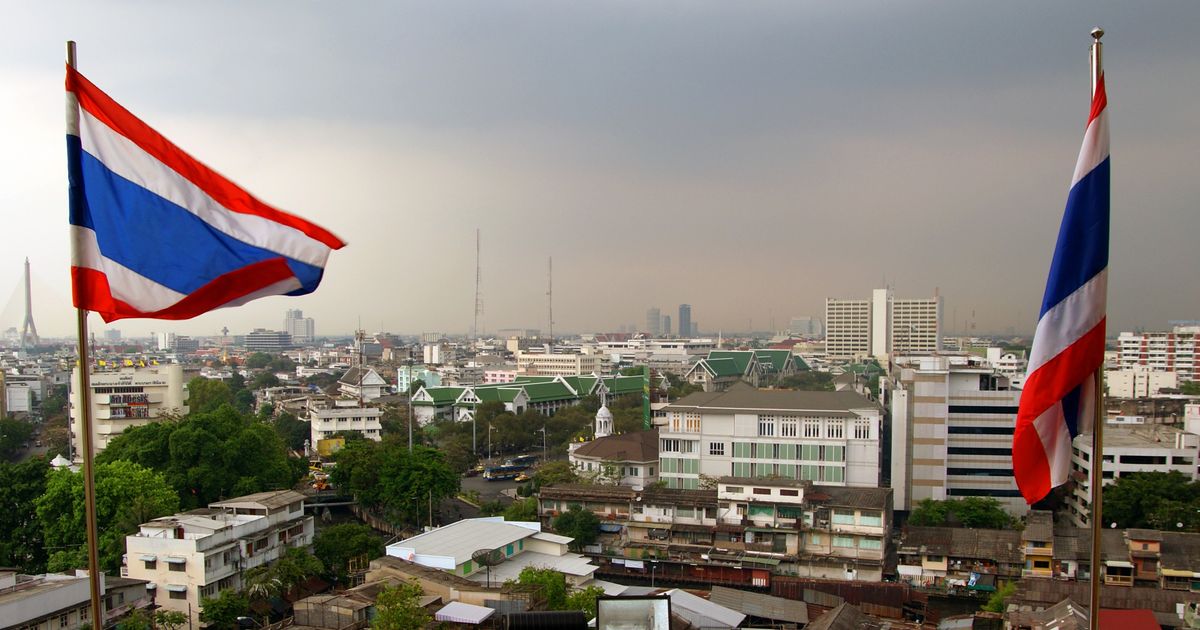
South Korea has joined Turkey, Japan, Germany, China, Italy, Thailand, and other countries in applying significant diplomatic and economic pressure on the United Arab Emirates (UAE), Qatar, Saudi Arabia, Oman, and Bahrain. The objective is to compel these nations to reopen the Strait of Hormuz, a critical maritime route that is vital for global trade, particularly for liquefied natural gas (LNG) and tourism industries. The article highlights the strain on tourism and LNG exports due to the ongoing tensions, emphasizing the geopolitical and economic implications for the travel industry.
Key Points:
Actionable Takeaways:
Diversify Trade Routes: Travel and logistics companies should explore diversifying trade routes to mitigate the risks associated with geopolitical tensions in key maritime routes like the Strait of Hormuz. This could involve investing in alternative shipping lanes or developing partnerships with ports in other regions to ensure supply chain resilience.
Strengthen Diplomatic Relations: Companies operating in the travel industry should engage in proactive diplomatic efforts to foster better relations with countries involved in regional conflicts. Building strong diplomatic ties can help in mitigating the impact of geopolitical tensions on business operations and ensuring smoother travel and trade processes.
Invest in Technology for Risk Management: Leveraging advanced technologies such as AI and blockchain for real-time risk assessment and management can help travel companies anticipate and respond to geopolitical developments more effectively. This includes using predictive analytics to monitor potential disruptions in trade routes and adjusting travel itineraries or supply chain logistics accordingly.
Contextual Understanding:
The article reflects the current geopolitical climate in the Middle East, where tensions between major powers like the UAE, Qatar, Saudi Arabia, Oman, and Bahrain, along with global superpowers such as the UAE and China, are influencing global trade and travel. The closure of the Strait of Hormuz has direct implications for the travel industry, particularly in sectors reliant on maritime trade and tourism. Recent trends indicate a growing emphasis on risk management and diversification in business strategies to navigate such uncertainties. Thought leaders in the travel sector are increasingly advocating for technological innovations to enhance operational resilience and adaptability in the face of geopolitical challenges.
Handling Different Article Types:
The article in question is a news brief, providing factual information on diplomatic and economic pressures exerted on specific countries to reopen a critical maritime route. The summary, key points, and actionable takeaways are structured to reflect the factual nature of the content, ensuring clarity and relevance for a professional audience in the travel industry. The insights provided are directly sourced from the article, adhering strictly to the facts and context presented.
Read the Complete Article.
Experience the magic of the Nile aboard Kenzy Dahabeya, a luxury boutique sailing cruise that offers an unforgettable journey between...
Read moreDetails



