












Article Summary:
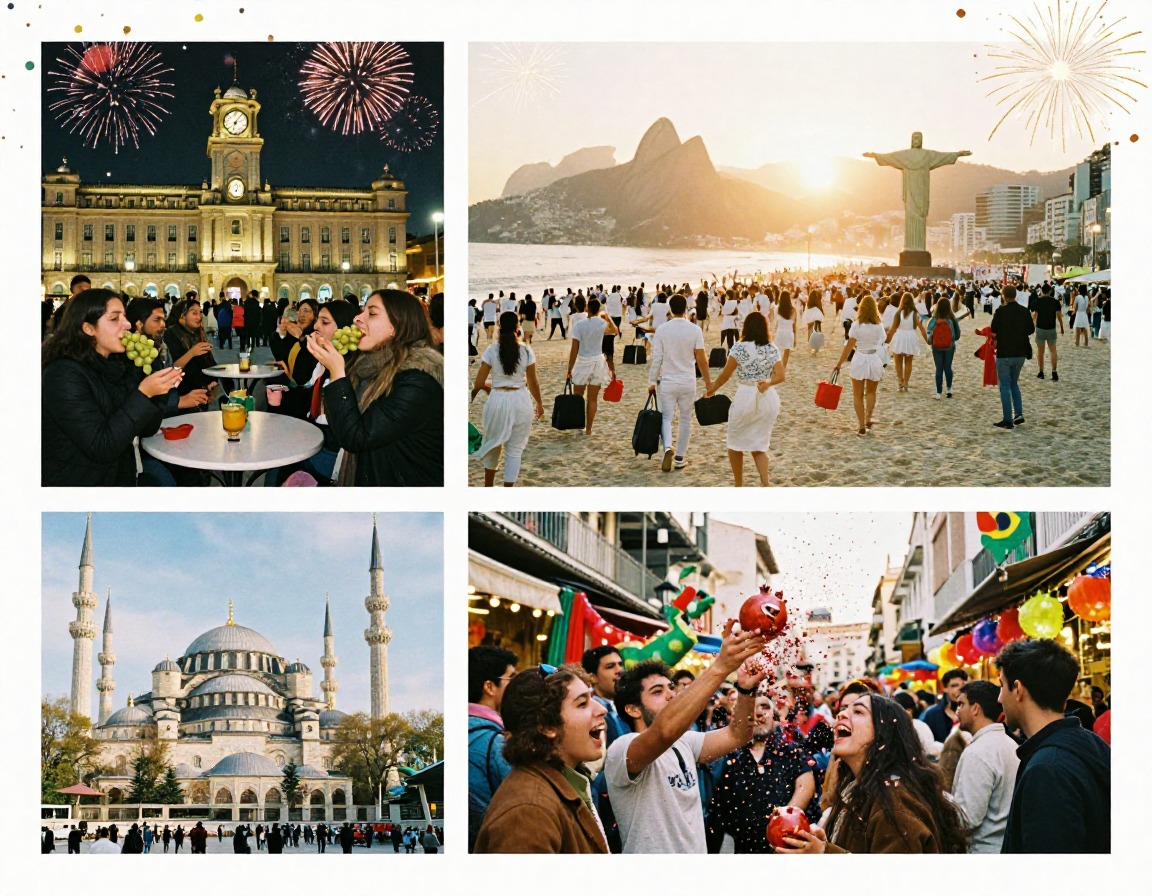
The article highlights the growing global interest in New Year traditions from Spain, Brazil, and Turkey, which are drawing millions of travelers each year. These unique cultural celebrations, such as Spain’s grape-eating tradition, Brazil’s midnight suitcase walk, and Turkey’s pomegranate smash, are sparking a tourism boom. In response, major airlines like Iberia, Qantas, Air India, Turkish Airlines, and hospitality leaders like Marriott Hotels are preparing for an unprecedented tourism surge in 2026. The article underscores the importance of cultural tourism and the strategic preparations of key players in the travel industry to capitalize on this trend.
Key Points:
- Spain, Brazil, and Turkey are renowned for their captivating New Year traditions, attracting significant global attention.
- Airlines (Iberia, Qantas, Air India, Turkish Airlines) and hospitality giants (Marriott Hotels) are proactively preparing for a tourism boom in 2026.
- The article emphasizes the role of cultural rituals in driving travel demand and the strategic actions of industry leaders to capitalize on this trend.
Actionable Takeaways:
-
Leverage Cultural Tourism: Airlines and hospitality companies should enhance their offerings around unique cultural New Year traditions to attract more international tourists. This includes developing themed packages, partnerships with local cultural entities, and marketing campaigns highlighting these traditions.
- Relevance and Impact: By capitalizing on the global interest in these traditions, companies can tap into a growing market segment, driving revenue growth and enhancing brand reputation as cultural ambassadors.
-
Strategic Marketing Campaigns: Develop targeted marketing campaigns that emphasize the cultural richness and unique experiences offered during New Year celebrations in Spain, Brazil, and Turkey. Utilize digital platforms and influencer partnerships to reach a broader audience.
- Relevance and Impact: Effective marketing can significantly increase awareness and bookings, especially among millennials and Gen Z travelers who value authentic cultural experiences. This approach aligns with current trends in travel tech and personalized marketing.
Contextual Insights:
The article reflects the current trend of cultural tourism, where unique and immersive experiences are highly sought after by travelers. The strategic preparations by airlines and hospitality leaders indicate a forward-looking approach to meeting the evolving demands of the market. This trend aligns with recent insights from industry thought leaders who emphasize the importance of experiential travel and the role of technology in enhancing travel experiences. As cultural tourism continues to grow, companies that innovate and adapt to these trends are likely to gain a competitive edge in the industry.
Read the Complete Article.



