












Article Summary:
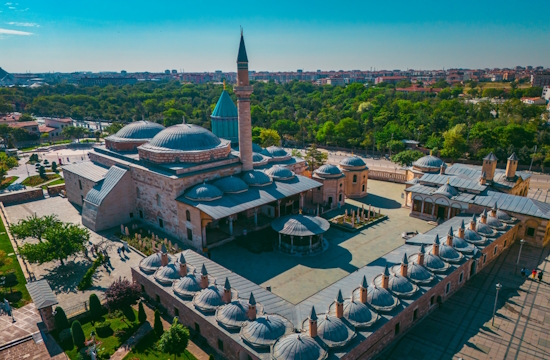
The article highlights the enduring influence of Turkey’s Anatolian hinterland, particularly the spiritual center of Iconium, where the night of Mevlâna Celaleddin Rumî’s reunion with God, Şeb–i Arus, attracts tens of thousands of visitors annually. This event underscores the region’s rich mosaic of religions, traditions, and cultural heritage, which continues to shape travel choices globally. The focus is on the timeless elements that dictate visitor preferences and the enduring legacy of Mevlâna Celaleddin Rumî.
Key Points:
- Iconium, Anatolia’s spiritual center, hosts the Şeb–i Arus event, drawing tens of thousands of visitors each year.
- The region’s rich cultural heritage, including the teachings of Mevlâna Celaleddin Rumî, remains a significant influence on travel choices.
- The enduring legacy of Mevlâna Celaleddin Rumî continues to dictate the travel experiences of visitors worldwide.
Actionable Takeaways:
- Cultural Tourism Growth: The enduring legacy of Mevlâna Celaleddin Rumî and the annual Şeb–i Arus event highlight a growing trend in cultural tourism. Travel agencies and destinations should focus on promoting such spiritual and cultural events to attract a global audience, leveraging digital marketing and partnerships with religious institutions to enhance visibility and engagement.
- Integration of Technology in Spiritual Tourism: The article does not explicitly mention technological advancements in travel, but the increasing global interest in spiritual and cultural tourism suggests a potential for integrating technology—such as virtual reality tours, mobile apps for event schedules, and online booking systems—to enhance the visitor experience and make these events more accessible to a broader audience.
Contextual Insights:
The article reflects current trends in cultural and spiritual tourism, where destinations with deep historical and religious significance continue to attract global visitors. The emphasis on Iconium and Şeb–i Arus aligns with the broader industry shift towards experiential travel, where travelers seek meaningful and immersive experiences. This trend is further supported by the rise of digital platforms that facilitate access to such events, indicating a potential for innovation in travel tech. Additionally, the focus on cultural heritage underscores the importance of preserving and promoting such sites, which can drive investments in tourism infrastructure and local economies. As the travel industry evolves, leveraging technology to enhance the accessibility and appeal of cultural and spiritual tourism destinations will be crucial for sustained growth and relevance.
Read the Complete Article.



