












Comprehensive Summarization:
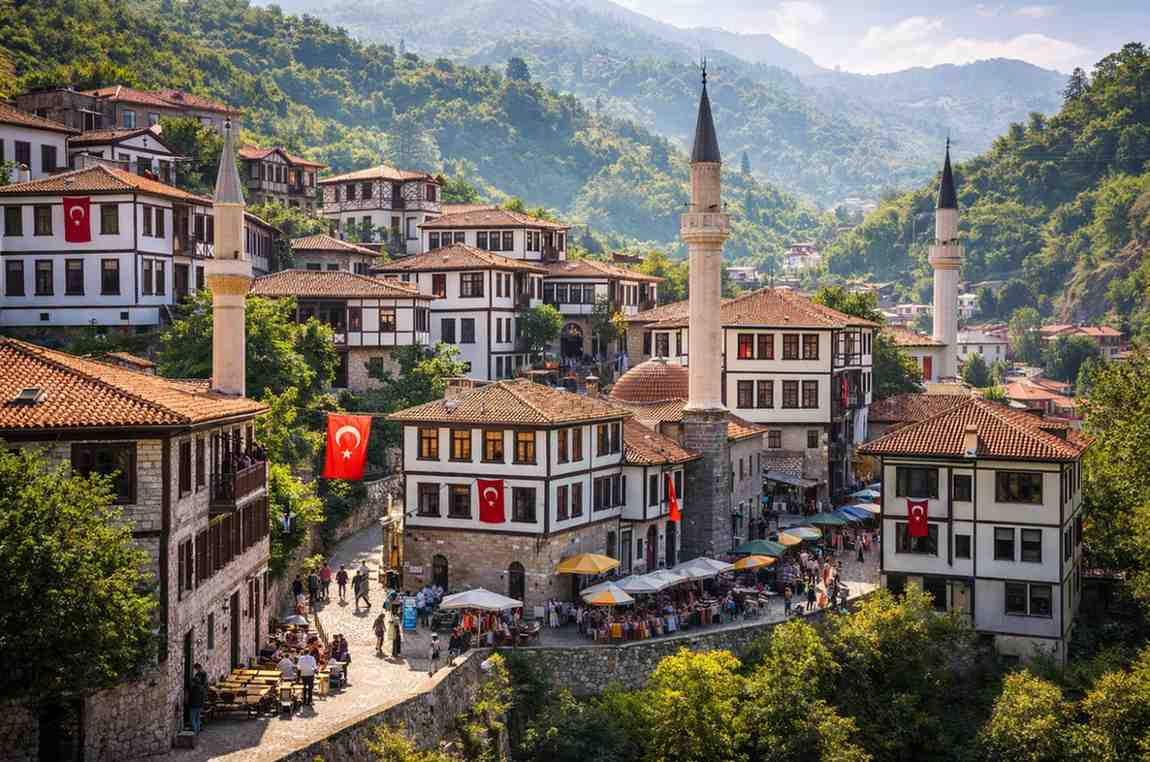
The article highlights the transformation of Orta Mahalle, a neighborhood in Trabzon’s Akçaabat district, into a prominent cultural tourism destination. This area, known for its meticulously restored Ottoman-era architecture, has become a must-visit spot for international travelers. The preservation efforts, initiated decades ago, have attracted diverse visitors to its cobblestone streets and traditional stone-wood houses, significantly boosting local economies through extended stays and authentic experiences. The article underscores the importance of heritage preservation in revitalizing tourism, showcasing how strategic conservation can create a sustainable tourism renaissance.
Key Points:
- Orta Mahalle in Trabzon’s Akçaabat district has emerged as a key cultural tourism destination due to its restored Ottoman-era architecture.
- The neighborhood’s cobblestone streets and traditional stone-wood houses attract diverse international visitors, enhancing the local economy.
- Local authorities designated Orta Mahalle as an Urban Conservation Area, protecting sixty-one historical structures, including mansions, mosques, fountains, and schools.
- Recent restoration phases blend heritage preservation with tourism, creating a unique blend of history and modern travel experiences.
Actionable Takeaways:
-
Invest in Heritage Preservation: Local authorities and tourism boards should prioritize the preservation of historical sites to attract culturally inclined tourists. This strategy not only preserves cultural heritage but also drives economic growth through tourism.
-
Blend Tradition with Modern Experiences: Successful tourism destinations like Orta Mahalle demonstrate the value of integrating historical authenticity with modern amenities. Travel businesses should explore ways to enhance visitor experiences by combining traditional elements with contemporary comforts.
-
Leverage Urban Conservation Areas: Designating areas as Urban Conservation Areas can provide a framework for sustainable tourism development. Policymakers and tourism stakeholders should explore similar designations to protect and promote culturally rich neighborhoods.
Contextual Understanding:
The article reflects a broader trend in the travel industry towards heritage tourism, where destinations leverage their historical and cultural assets to attract visitors. The emphasis on preserving Ottoman-era architecture aligns with current travel trends that prioritize authentic, culturally immersive experiences. Thought leaders in the travel sector often advocate for sustainable tourism practices that balance preservation with economic benefits. The success of Orta Mahalle underscores the potential of such initiatives to create a lasting impact on local economies and tourism landscapes. As the industry continues to evolve, embracing heritage preservation as a cornerstone of tourism strategy will likely become increasingly important, especially in regions with rich historical backgrounds.
Read the Complete Article.



