











Sail Through Time: Discover the Timeless Wonders of Upper Egypt Aboard Kenzy Dahabeya
Experience the magic of the Nile aboard Kenzy Dahabeya, a luxury boutique sailing cruise that offers an unforgettable journey between...
Read moreDetails
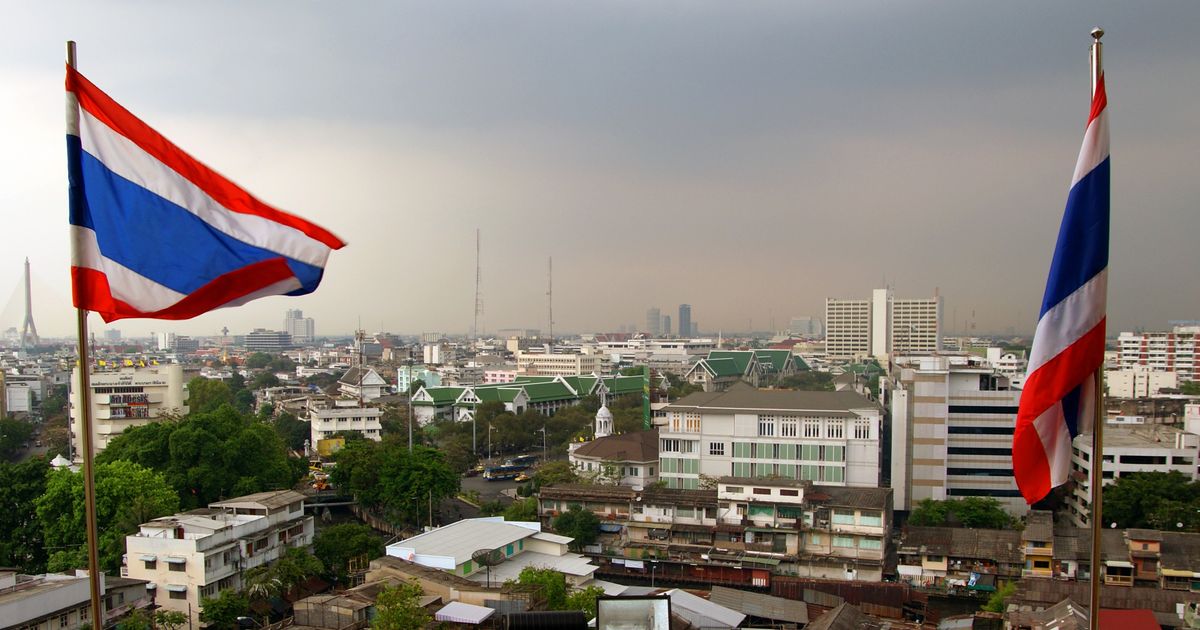
TUI Plummets as Middle East Crisis Shifts Global Travel Demand to Spain and Italy
Comprehensive Summarization:
TUI, Europe’s largest travel operator, has revised its 2026 profit forecast downward due to escalating tensions in the Middle East and rising fuel costs, which have led to a significant shift in European holiday preferences. Historically popular destinations in the Eastern Mediterranean, such as Turkey, Cyprus, and Egypt, have seen a sharp decline in bookings. In response, TUI is aggressively pivoting its strategy, directing travelers towards perceived safer Western European destinations. This shift has resulted in a notable impact on the company’s financial outlook, with its earnings before interest and taxes (EBIT) forecast for 2026 now projected to be between €1.1 billion and €1.4 billion. The announcement has led to a 2.6% drop in TUI’s share prices, adding to a 25% decline in stock value over recent months. The fuel crisis is a key factor driving these changes, as it affects travel costs and consumer behavior.
Key Points:
Actionable Takeaways:
Diversification of Travel Offerings: Travel companies should consider diversifying their destination offerings to include safer Western European destinations, as this shift in consumer behavior presents a new market opportunity. This move could help mitigate risks associated with geopolitical tensions and fuel cost fluctuations.
Investment in Fuel-Efficient Technologies: Given the surge in fuel costs, travel operators should invest in fuel-efficient technologies and sustainable practices. This not only addresses the immediate financial impact of rising fuel prices but also aligns with growing consumer demand for environmentally friendly travel options.
Enhanced Risk Management Strategies: Companies should develop and implement enhanced risk management strategies to navigate geopolitical uncertainties. This could include flexible booking policies, insurance offerings, and partnerships with local authorities to ensure the safety and security of travelers.
Contextual Understanding:
The article reflects the current challenges faced by the travel industry, particularly in the wake of geopolitical tensions and economic pressures such as rising fuel costs. TUI’s strategic pivot towards Western European destinations highlights a broader trend of travelers seeking perceived safety and stability in their holiday choices. This shift is indicative of a larger movement within the industry towards risk-aware travel planning. The focus on fuel-efficient technologies and enhanced risk management strategies underscores the industry’s response to both economic and safety concerns, aligning with current trends towards sustainability and security in travel.
Handling Different Article Types:
The provided article is a news blurb, offering factual information about TUI’s revised profit forecast and the subsequent impact on its stock and travel preferences. The structured output format is designed to accommodate such concise, factual articles, ensuring that the key points and actionable insights are clearly presented for a professional audience.
Read the Complete Article.
Experience the magic of the Nile aboard Kenzy Dahabeya, a luxury boutique sailing cruise that offers an unforgettable journey between...
Read moreDetails



