












Comprehensive Summarization:
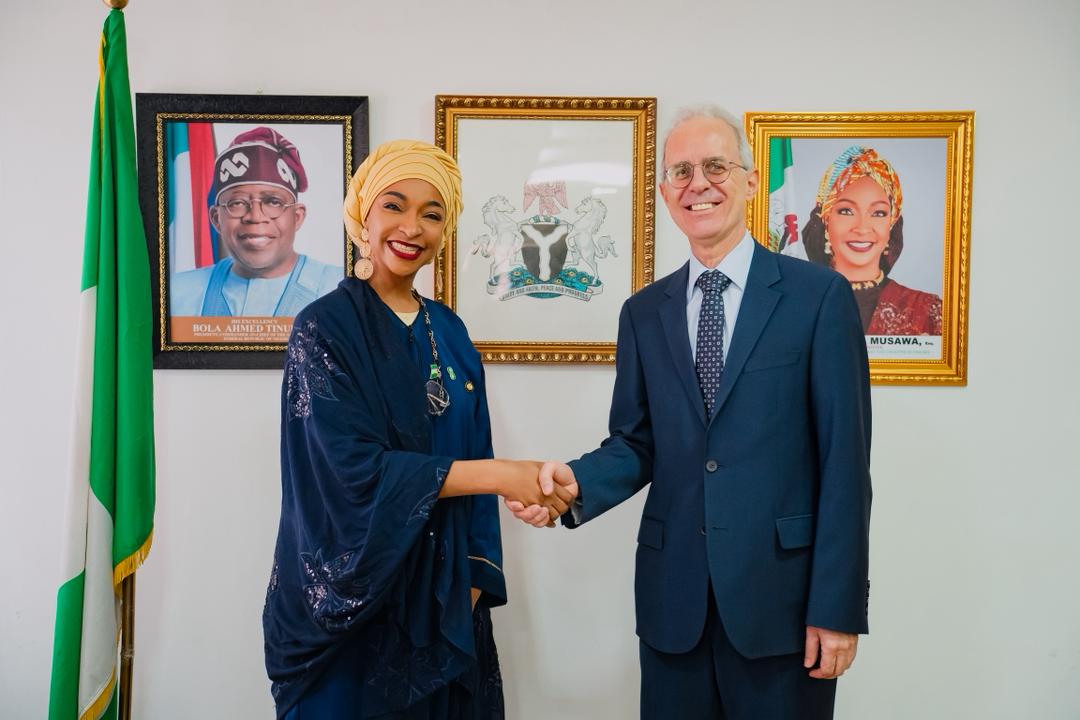
Turkey has identified 76 wooden and metal artifacts believed to belong to Nigeria, marking a significant step towards their potential repatriation. This development opens the door for deeper cultural cooperation between the two countries. The announcement was made by Turkey’s Turkish Ambassador to Nigeria, Mehmet Poroy, during a courtesy visit to the Minister of Art, Culture, Tourism and Creative Economy, Hannatu Musa Musawa, in Abuja. Poroy highlighted the possibility of discussions on repatriation and cultural exchange during the visit.
Key Points:
- Turkey has identified 76 artifacts believed to be of Nigerian origin.
- The artifacts could be repatriated, paving the way for enhanced cultural cooperation between Turkey and Nigeria.
- Mehmet Poroy, the Turkish Ambassador to Nigeria, disclosed this information during a courtesy visit to the Minister of Art, Culture, Tourism and Creative Economy, Hannatu Musa Musawa.
- The visit aimed to discuss potential avenues for cultural exchange and repatriation of artifacts.
Actionable Takeaways:
-
Cultural Diplomacy Opportunity: The identification of these artifacts presents a unique opportunity for Turkey and Nigeria to strengthen their cultural ties through repatriation discussions. This could lead to increased tourism, art exhibitions, and collaborative cultural projects, benefiting both economies.
-
Enhanced Cultural Cooperation: The potential repatriation of artifacts could serve as a catalyst for deeper cultural cooperation between Turkey and Nigeria. This could include joint cultural events, educational programs, and collaborative research initiatives, fostering mutual understanding and goodwill.
Contextual Insights:
The repatriation of cultural artifacts is a significant issue in international relations, often serving as a tool for diplomatic engagement and cultural diplomacy. In recent years, there has been a growing trend of countries seeking to reclaim artifacts that were taken during colonial times or through dubious means. This development aligns with this broader trend, highlighting the importance of cultural heritage in fostering international relations. Furthermore, the involvement of Turkey’s Ambassador in these discussions underscores the strategic importance of cultural cooperation in Turkey’s foreign policy agenda. As the travel industry continues to evolve, such cultural exchanges can open new avenues for tourism, art, and creative industries, driving economic growth and fostering global understanding.
Read the Complete Article.



