












Comprehensive Summarization:
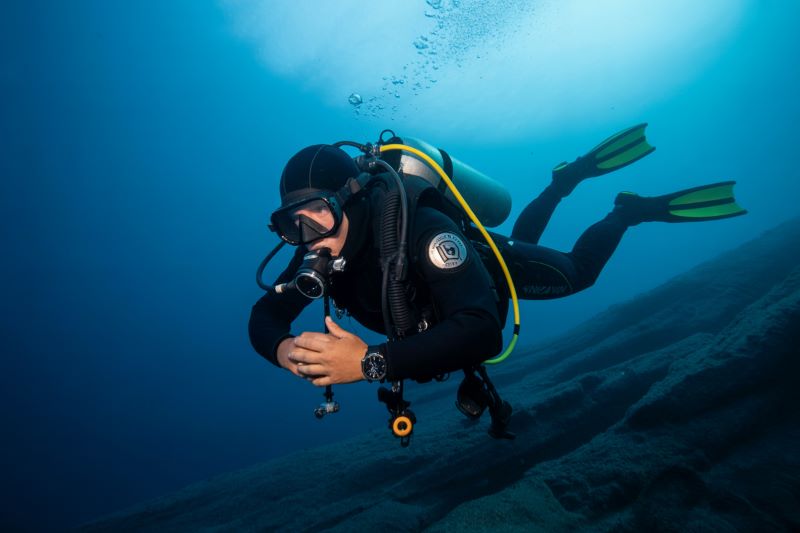
The article reports that the historic shipwrecks from the 1915 Gallipoli campaign in Çanakkale, Turkey, have been officially designated as a protected diving sanctuary. This decision aims to preserve the maritime legacy of the Gallipoli campaign while transforming the area into a premier diving destination. The move is expected to significantly boost tourism in Çanakkale and the broader Dardanelles region, positioning it as a top-tier diving location. The underwater site serves as a tangible link to a pivotal moment in World War I, offering a unique historical and recreational experience for divers.
Key Points:
- The 1915 Gallipoli campaign shipwrecks in Çanakkale have been designated as a protected diving sanctuary.
- This designation is intended to preserve the historical significance of the Gallipoli campaign while promoting the area as a top-tier diving destination.
- The protection of these shipwrecks is anticipated to significantly enhance tourism in Çanakkale and the Dardanelles region.
- The underwater site offers a unique blend of historical significance and recreational diving opportunities.
Actionable Takeaways:
-
Tourism Boost in Çanakkale: The designation of the Gallipoli shipwrecks as a protected diving site is expected to significantly increase tourism in Çanakkale. This development could lead to economic benefits for local businesses, including hotels, restaurants, and tour operators, by attracting more divers and history enthusiasts to the region.
-
Historical Tourism Potential: The underwater site provides a unique historical tourism opportunity. By preserving the shipwrecks, Turkey is not only safeguarding a piece of World War I history but also creating a new attraction for divers and history buffs. This could set a precedent for other historical sites around the world, potentially leading to increased investment in historical preservation projects.
-
Potential for Technological Advancements in Diving: The protection of these shipwrecks may spur advancements in diving technology and safety protocols. As more divers visit the site, there will be a greater need for advanced equipment, training programs, and safety measures to ensure the well-being of divers. This could drive innovation in the diving industry, benefiting startups and established companies alike.
Contextual Insights:
The protection of the Gallipoli shipwrecks aligns with current industry trends towards sustainable tourism and historical preservation. As the travel industry increasingly focuses on eco-friendly practices and the conservation of cultural heritage, this initiative reflects a forward-thinking approach. Moreover, the move underscores the growing importance of underwater heritage sites in the tourism sector, a trend that is likely to gain momentum as more destinations recognize the value of preserving their maritime history.
In the context of travel tech, this development could encourage the creation of specialized apps and platforms that cater to diving enthusiasts, offering detailed information about the shipwrecks, diving conditions, and safety guidelines. Such innovations could enhance the visitor experience and drive further interest in the site. Additionally, the emphasis on historical tourism may inspire other regions to explore similar initiatives, fostering a global trend in heritage tourism that leverages technology to educate and engage travelers.
Read the Complete Article.



