












Comprehensive Summarization:
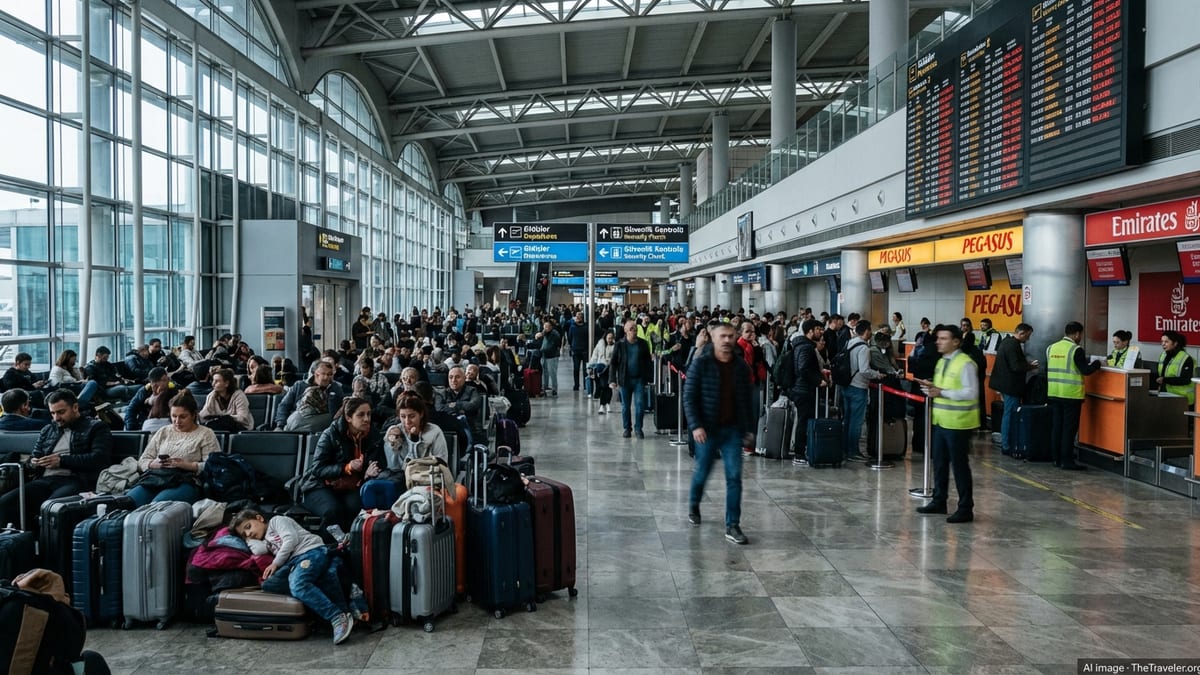
On March 1, Turkey experienced significant flight disruptions affecting hundreds of passengers across major hubs such as Istanbul, Antalya, and Ankara. The disruption resulted from 82 flight cancellations and 184 delays, impacting airlines including Pegasus Airlines, SunExpress, Emirates, and Qatar Airways. The situation was exacerbated by widening airspace closures linked to escalating tensions in the Middle East, particularly after overnight strikes on Iran by several Middle Eastern countries, including Iran, Iraq, and several Gulf states. This crisis highlighted the vulnerability of Turkey’s key aviation gateways amidst a fast-moving regional crisis.
Key Points:
- Flight Disruptions: Hundreds of passengers were stranded at Istanbul, Antalya, and Ankara airports due to 82 cancellations and 184 delays.
- Airlines Affected: Major carriers such as Pegasus Airlines, SunExpress, Emirates, and Qatar Airways were significantly impacted.
- Regional Crisis: The disruption was linked to airspace closures in multiple Middle Eastern countries following overnight strikes on Iran.
- Impact on Operations: The closures and delays disrupted operations for airlines operating in and around Turkey, affecting both domestic and international travel.
Actionable Takeaways:
-
Enhanced Air Traffic Monitoring Systems: Given the rapid escalation of airspace closures due to geopolitical tensions, there is a pressing need for travel companies to invest in advanced air traffic monitoring systems. These systems can provide real-time updates and alternative routing options, minimizing disruptions and ensuring passenger safety. This investment aligns with the growing trend of integrating technology in travel to enhance operational resilience.
-
Diversification of Routes and Destinations: Airlines should consider diversifying their route networks to include less affected regions or alternative destinations. This strategy can help mitigate risks associated with geopolitical tensions and airspace closures. By expanding into regions with more stable air traffic conditions, airlines can maintain operational continuity and meet passenger demand, thereby safeguarding their market share.
Contextual Understanding:
The article reflects the current state of the travel industry amidst heightened geopolitical tensions in the Middle East. The disruptions underscore the vulnerability of aviation operations to external factors such as conflicts and strikes. This context is crucial for understanding the broader implications for the travel sector, particularly for airlines and airports heavily reliant on Turkey’s hubs. The article also highlights the importance of technological advancements in travel tech, such as real-time air traffic monitoring systems, which are becoming increasingly vital for navigating such crises.
Handling Different Article Types:
The article is a news blurb, providing factual information about a recent disruption in air travel due to geopolitical events. The structured output format ensures that the summary, key points, actionable takeaways, and contextual insights are presented in a clear and professional manner, suitable for a professional audience.
markdown
Comprehensive Summarization:
On March 1, Turkey experienced significant flight disruptions affecting hundreds of passengers across major hubs such as Istanbul, Antalya, and Ankara. The disruption resulted from 82 flight cancellations and 184 delays, impacting airlines including Pegasus Airlines, SunExpress, Emirates, and Qatar Airways. The situation was exacerbated by widening airspace closures linked to escalating tensions in the Middle East, particularly after overnight strikes on Iran by several Middle Eastern countries, including Iran, Iraq, and several Gulf states. This crisis highlighted the vulnerability of Turkey’s key aviation gateways amidst a fast-moving regional crisis.
Key Points:
- Flight Disruptions: Hundreds of passengers were stranded at Istanbul, Antalya, and Ankara airports due to 82 cancellations and 184 delays.
- Airlines Affected: Major carriers such as Pegasus Airlines, SunExpress, Emirates, and Qatar Airways were significantly impacted.
- Regional Crisis: The disruption was linked to airspace closures in multiple Middle Eastern countries following overnight strikes on Iran.
- Impact on Operations: The closures and delays disrupted operations for airlines operating in and around Turkey, affecting both domestic and international travel.
Actionable Takeaways:
- Enhanced Air Traffic Monitoring Systems: Given the rapid escalation of airspace closures due to geopolitical tensions, there is a pressing need for travel companies to invest in advanced air traffic monitoring systems. These systems can provide real-time updates and alternative routing options, minimizing disruptions and ensuring passenger safety. This investment aligns with the growing trend of integrating technology in travel to enhance operational resilience.
- Diversification of Routes and Destinations: Airlines should consider diversifying their route networks to include less affected regions or alternative destinations. This strategy can help mitigate risks associated with geopolitical tensions and airspace closures. By expanding into regions with more stable air traffic conditions, airlines can maintain operational continuity and meet passenger demand, thereby safeguarding their market share.
Contextual Insights:
The article reflects the current state of the travel industry amidst heightened geopolitical tensions in the Middle East. The disruptions underscore the vulnerability of aviation operations to external factors such as conflicts and strikes. This context is crucial for understanding the broader implications for the travel sector, particularly for airlines and airports heavily reliant on Turkey’s hubs. The article also highlights the importance of technological advancements in travel tech, such as real-time air traffic monitoring systems, which are becoming increasingly vital for navigating such crises.
Read the Complete Article.



