












Comprehensive Summarization:
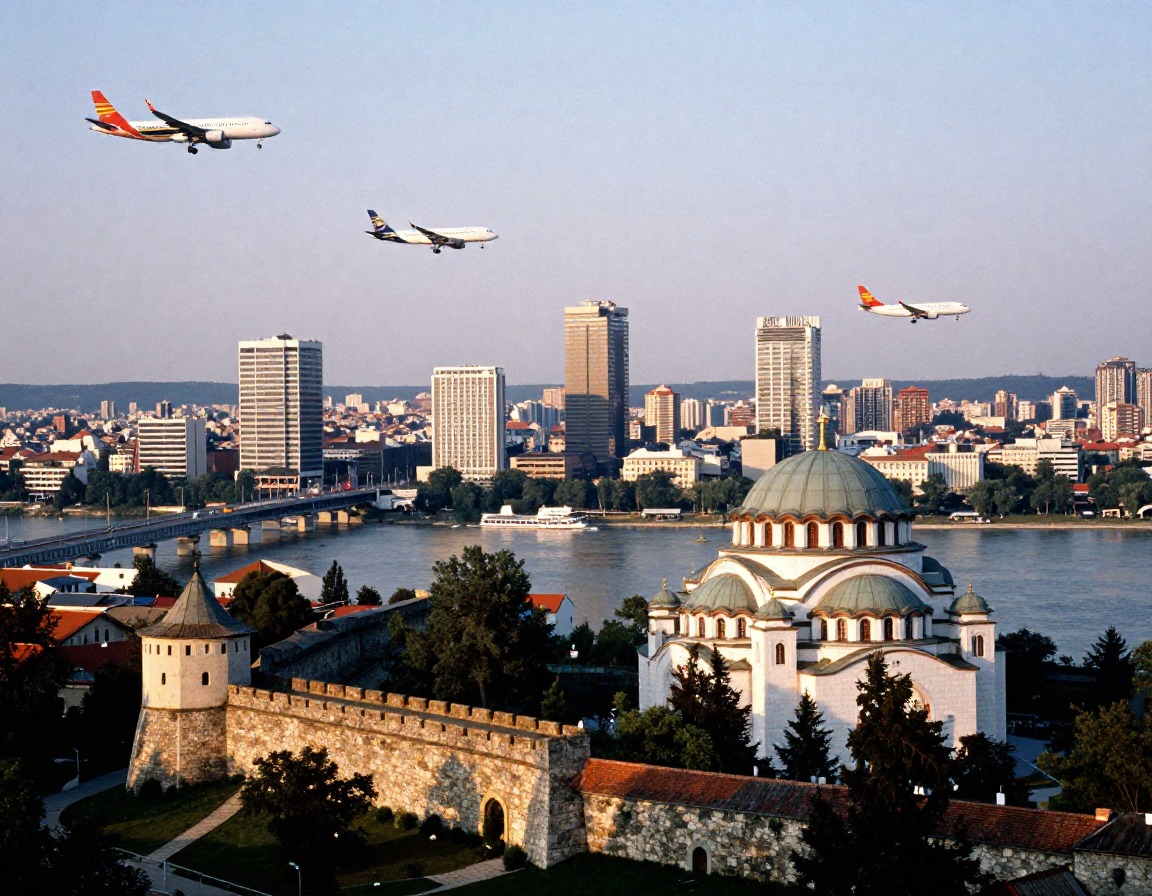
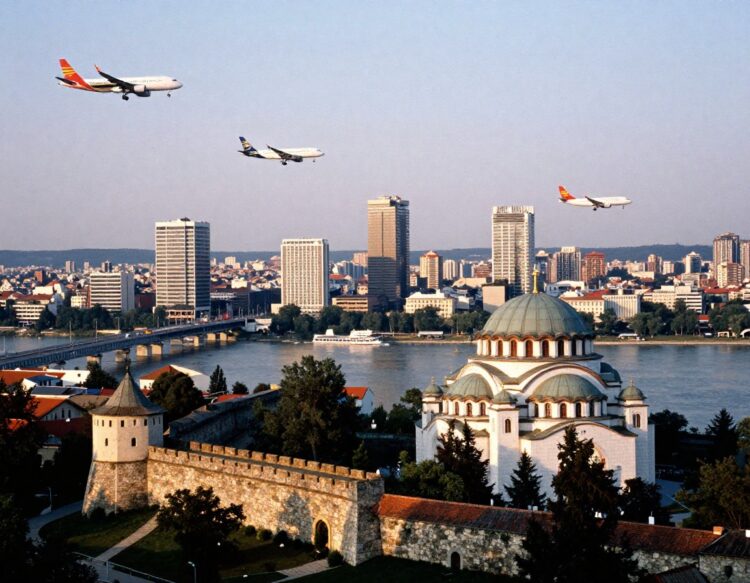
The article highlights a significant tourism boom in Serbia, driven by the strategic partnerships between Turkey, Russia, and Germany, and the expansion of their respective airlines—Turkish Airlines, Aeroflot, and Lufthansa. These airlines are playing a pivotal role in connecting global markets to Serbia’s vibrant capital, Belgrade, thereby fueling unprecedented growth in demand for flights, hotels, and cultural experiences. The surge in international visitors is not merely about numbers but signifies a transformative shift in Serbia’s hospitality sector, marking it as a key destination on the world stage.
Key Points:
- Strategic Partnerships: Turkey, Russia, and Germany are spearheading a tourism boom in Serbia through their airlines—Turkish Airlines, Aeroflot, and Lufthansa.
- Increased Demand: The collaboration has led to a surge in international visitors, significantly increasing demand for flights, accommodations, and cultural experiences in Belgrade.
- Market Expansion: The partnership is not just about tourism; it’s about connecting key global markets to Serbia’s capital, Belgrade, thereby enhancing its appeal as a travel destination.
- Unprecedented Growth: The tourism sector in Serbia is experiencing remarkable growth, indicating a major shift in the country’s hospitality industry.
Actionable Takeaways:
- Leverage Strategic Partnerships: Airlines and travel companies should explore strategic partnerships with international carriers to expand market reach and boost tourism in their regions. This approach can drive significant growth in the hospitality sector, as evidenced by Serbia’s tourism boom.
- Focus on Global Connectivity: Investing in global connectivity and expanding flight routes can attract more international tourists, as seen with Turkish Airlines, Aeroflot, and Lufthansa’s role in Serbia. This can lead to increased demand for hotels and cultural experiences, benefiting the local economy.
- Enhance Hospitality Infrastructure: With the rise in tourism, there is a pressing need to enhance hospitality infrastructure, including hotels, transportation, and cultural attractions. This will ensure a seamless experience for visitors and sustain the growth trajectory of the tourism sector.
Contextual Insights:
The article reflects the current trend of international airlines expanding their networks to boost tourism in emerging destinations. The strategic alliances between Turkey, Russia, and Germany, and the subsequent surge in visitors to Serbia, underscore the importance of global connectivity in driving tourism growth. This trend aligns with broader industry insights that emphasize the role of technology and partnerships in enhancing travel experiences and market penetration. As travel startups and fintech innovations continue to evolve, leveraging such partnerships can provide a competitive edge, particularly in regions with untapped potential like Serbia. The article also highlights the importance of enhancing hospitality infrastructure to support the growing influx of tourists, a trend that is likely to continue shaping the travel industry globally.
Read the Complete Article.



